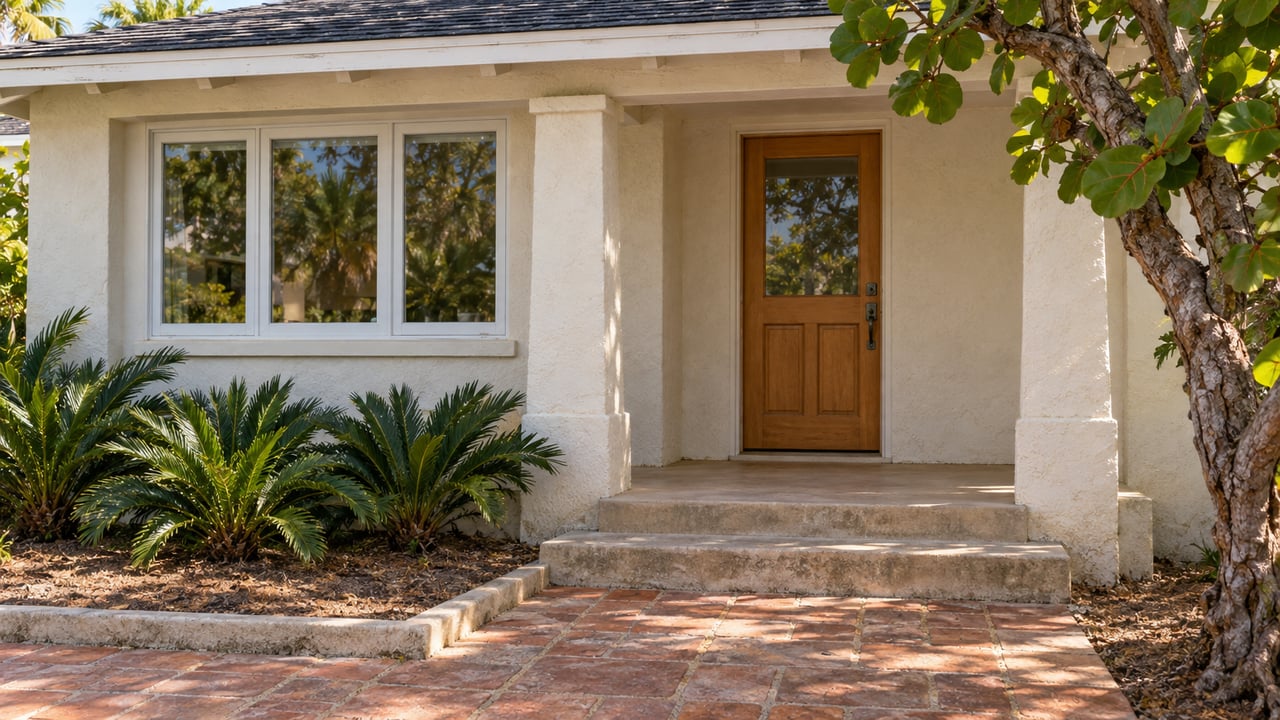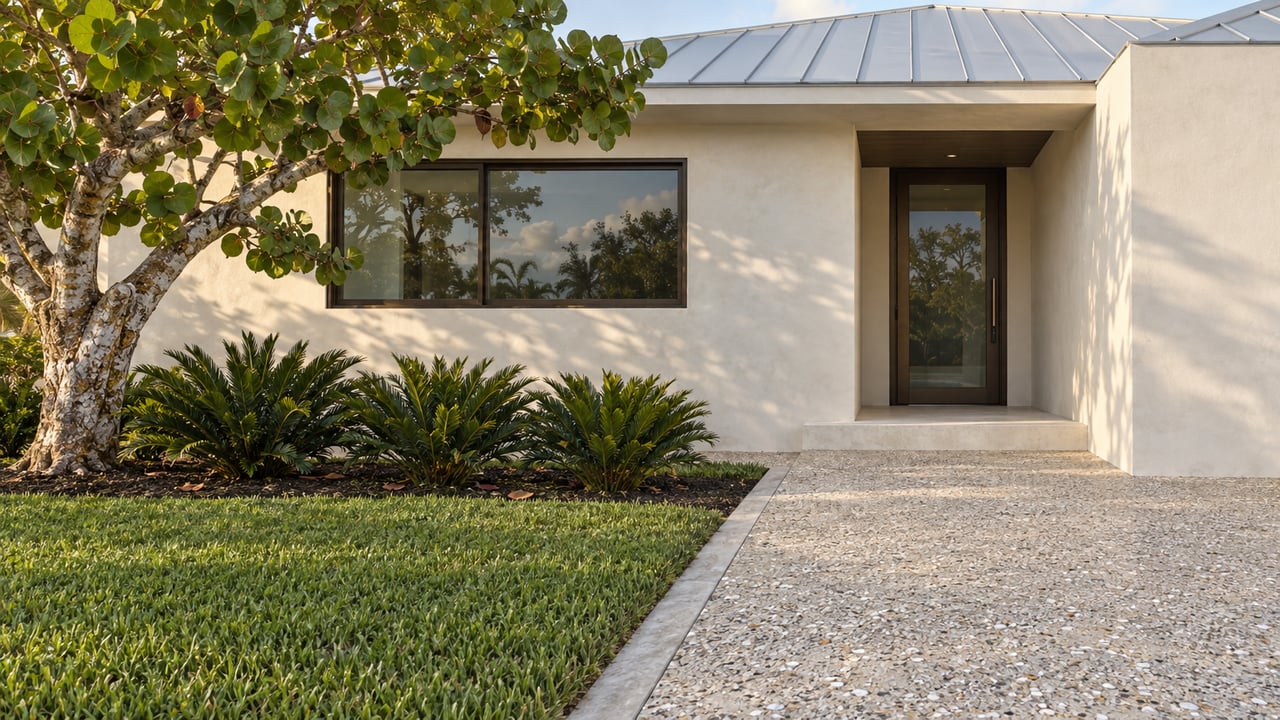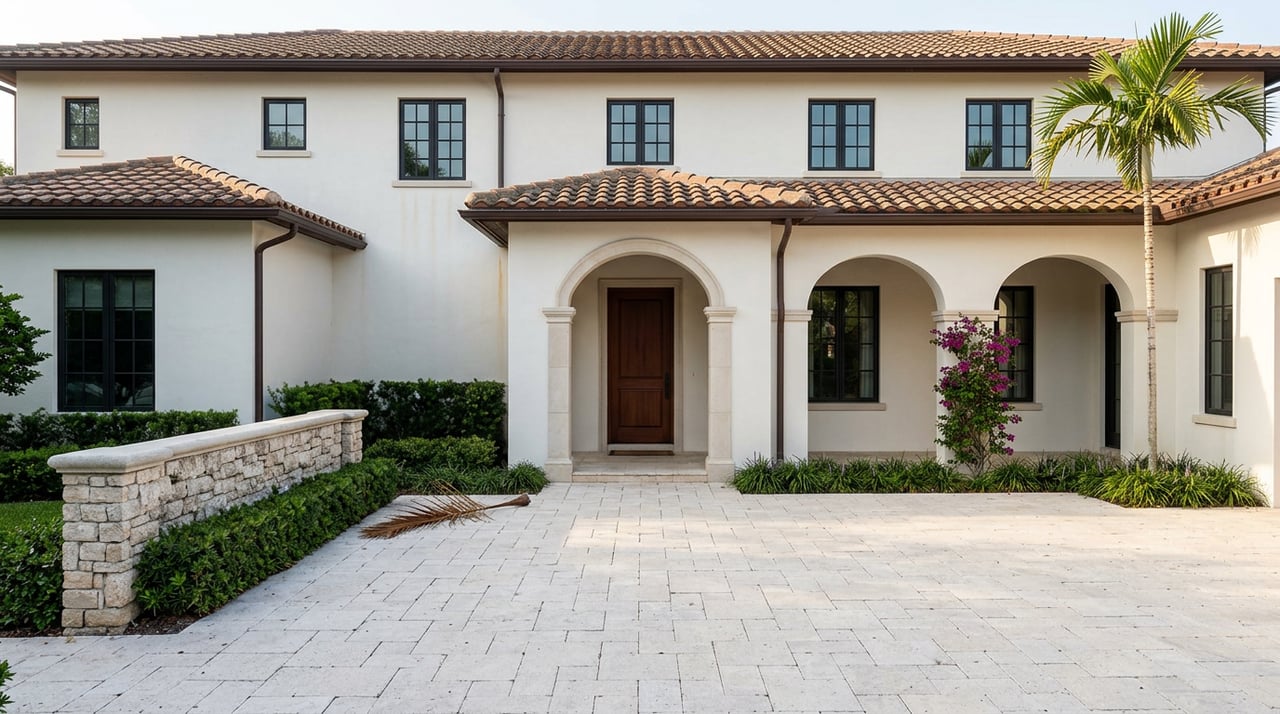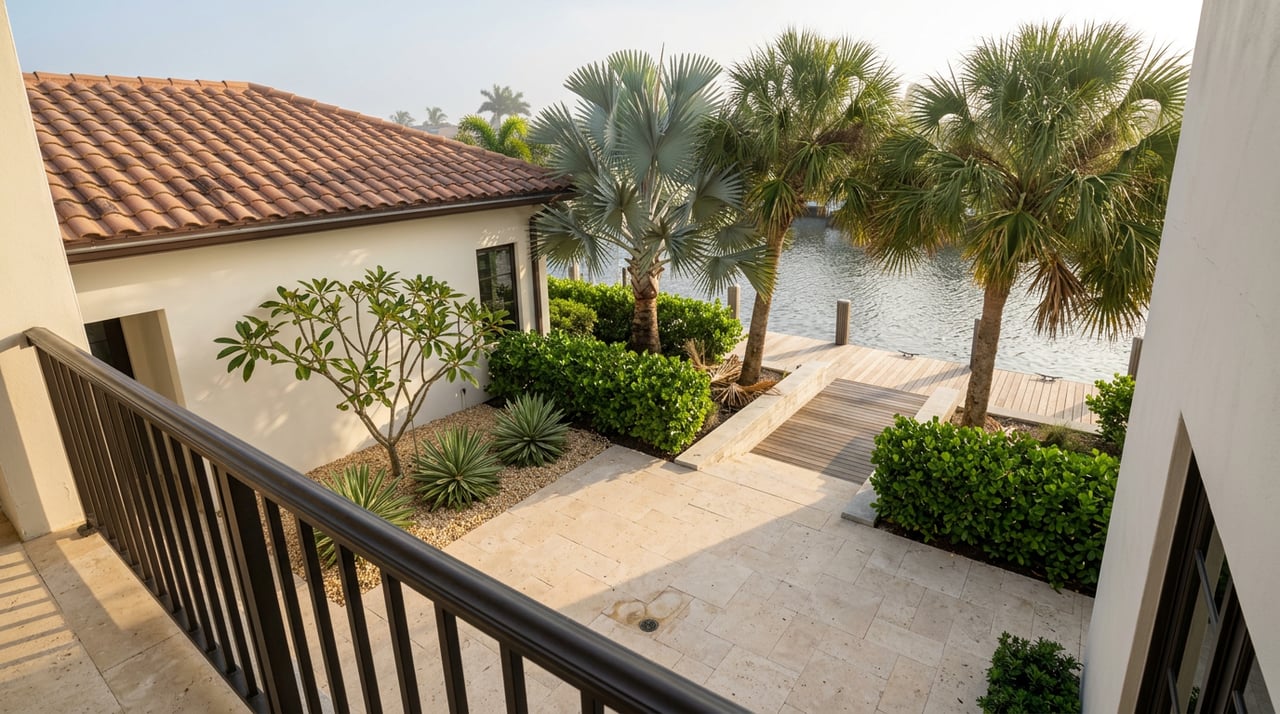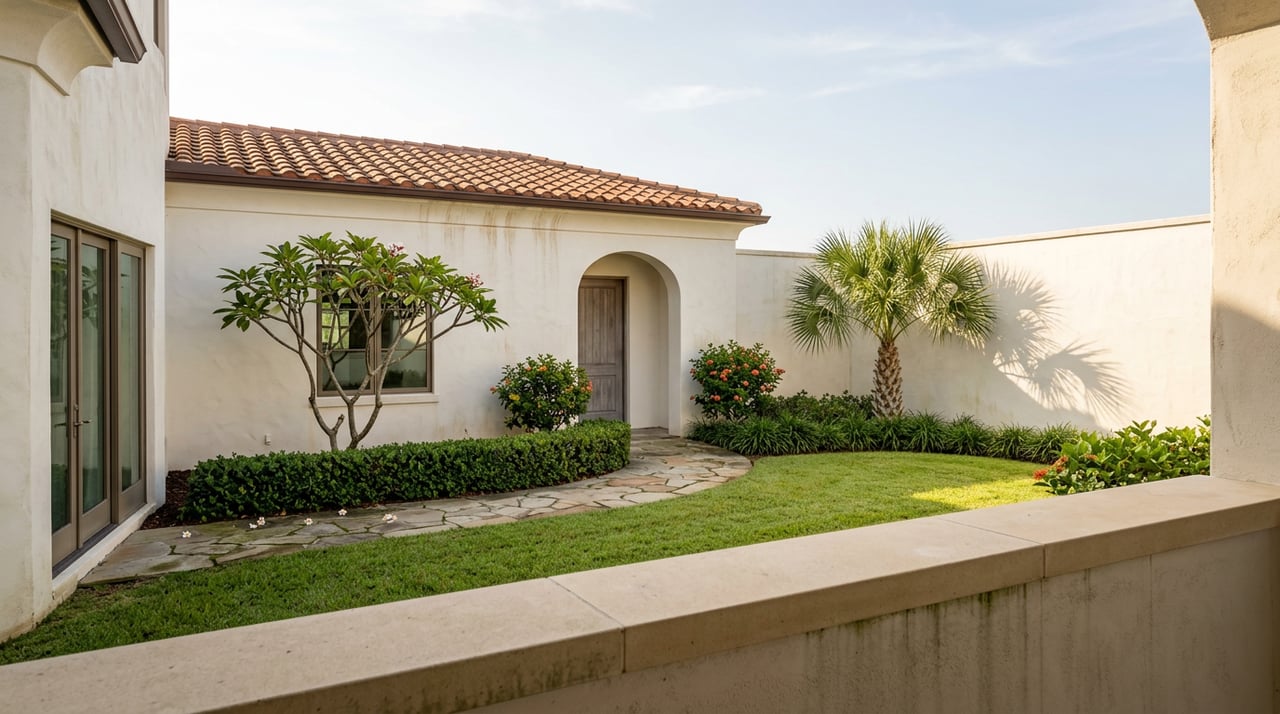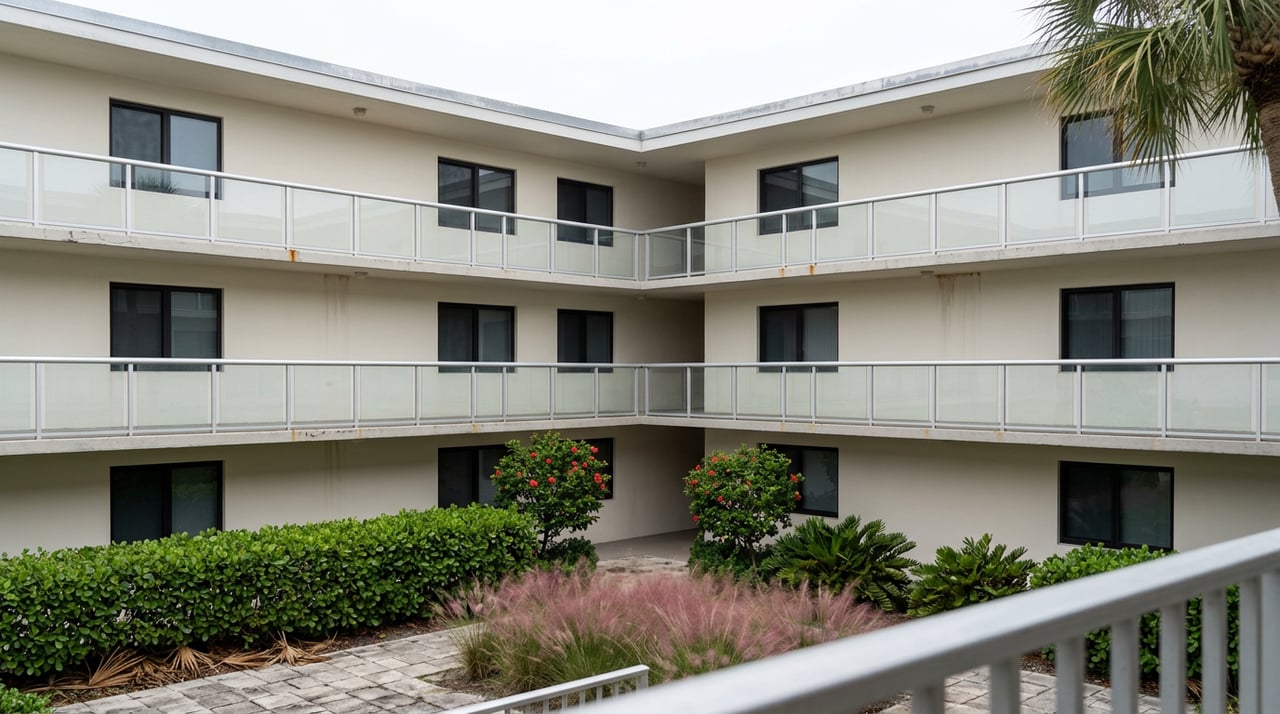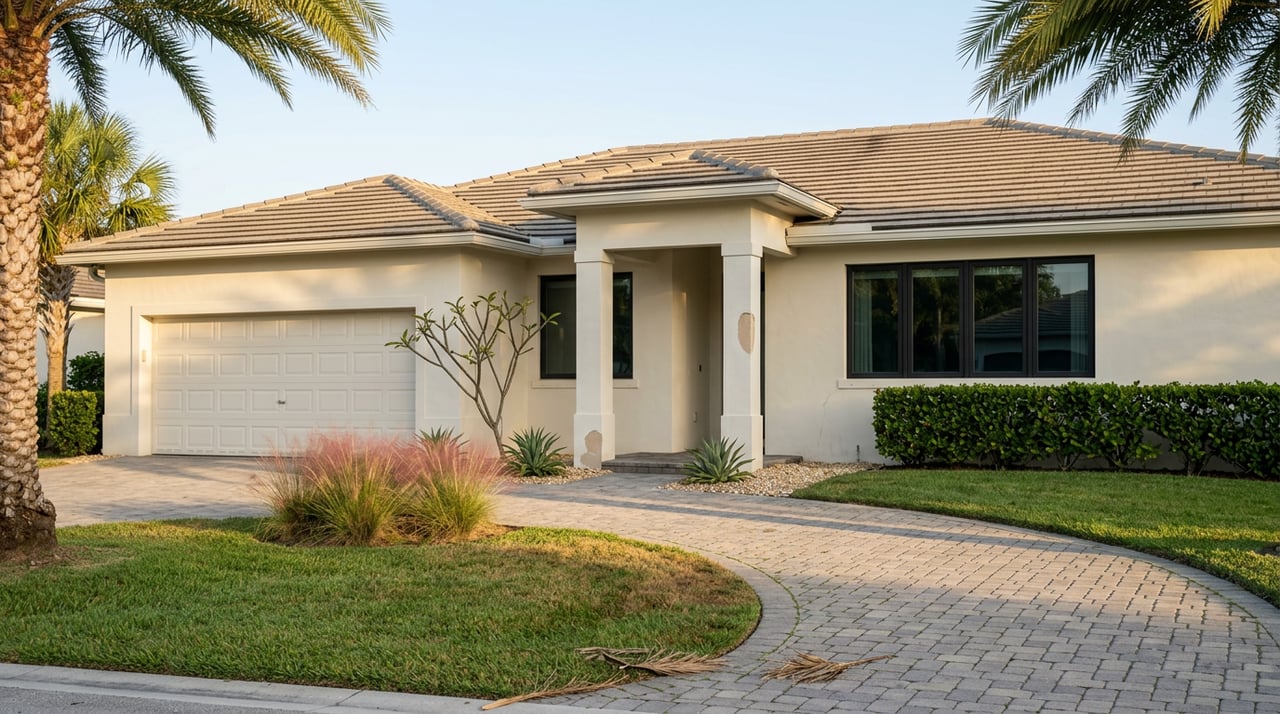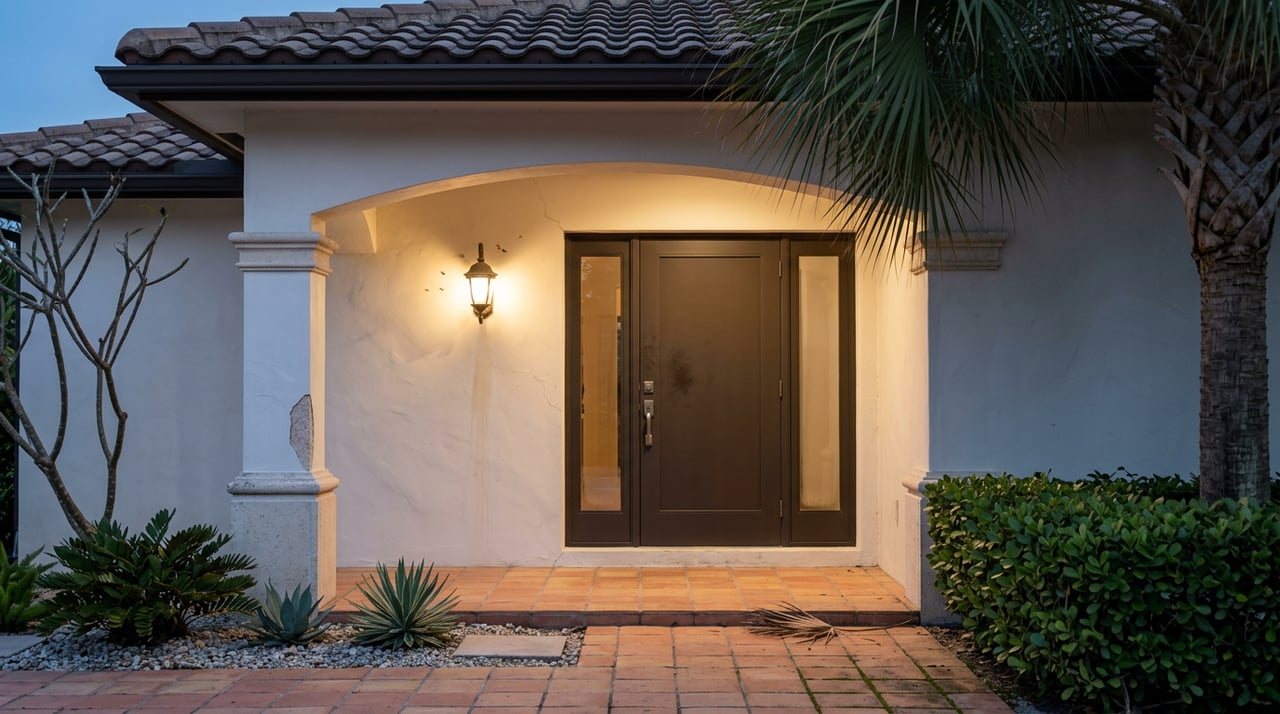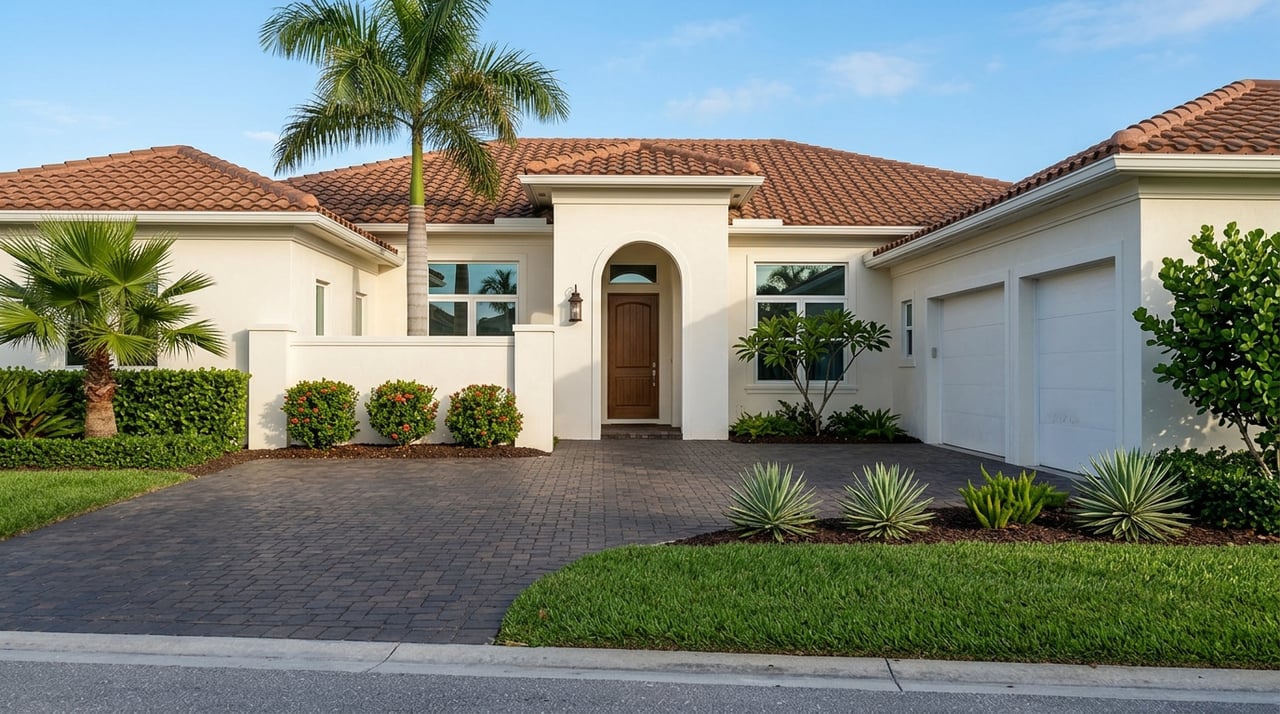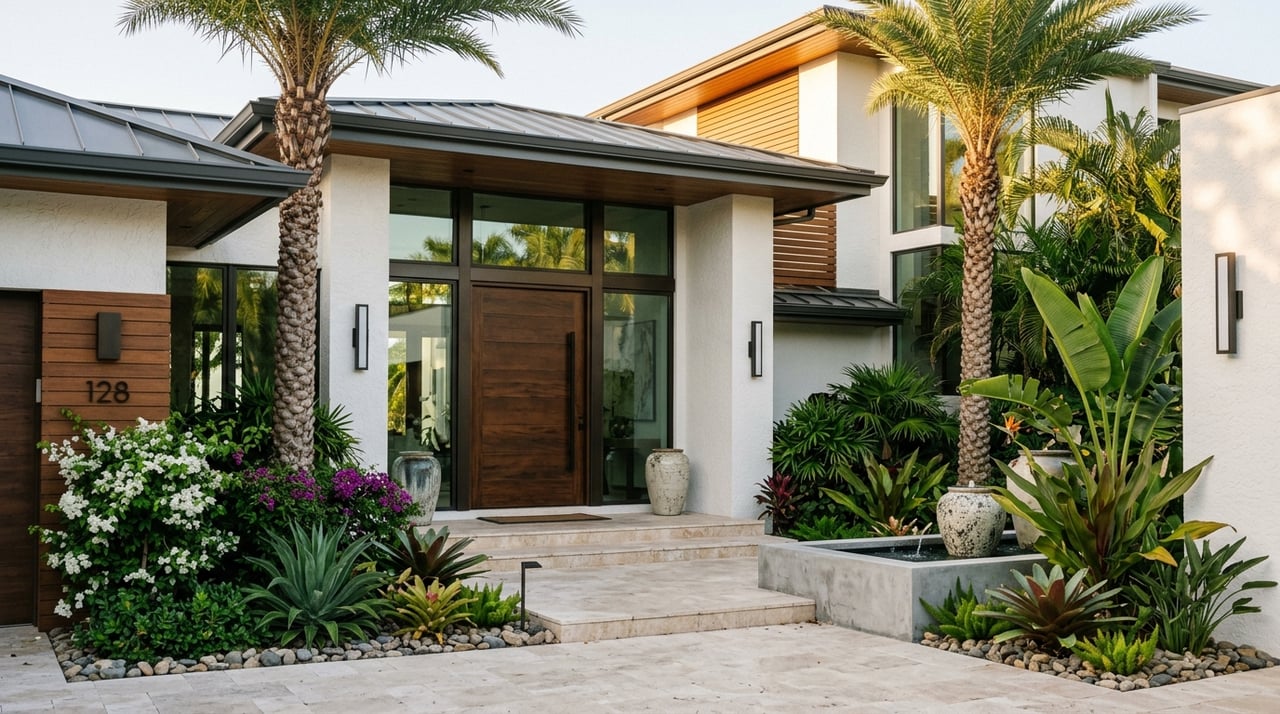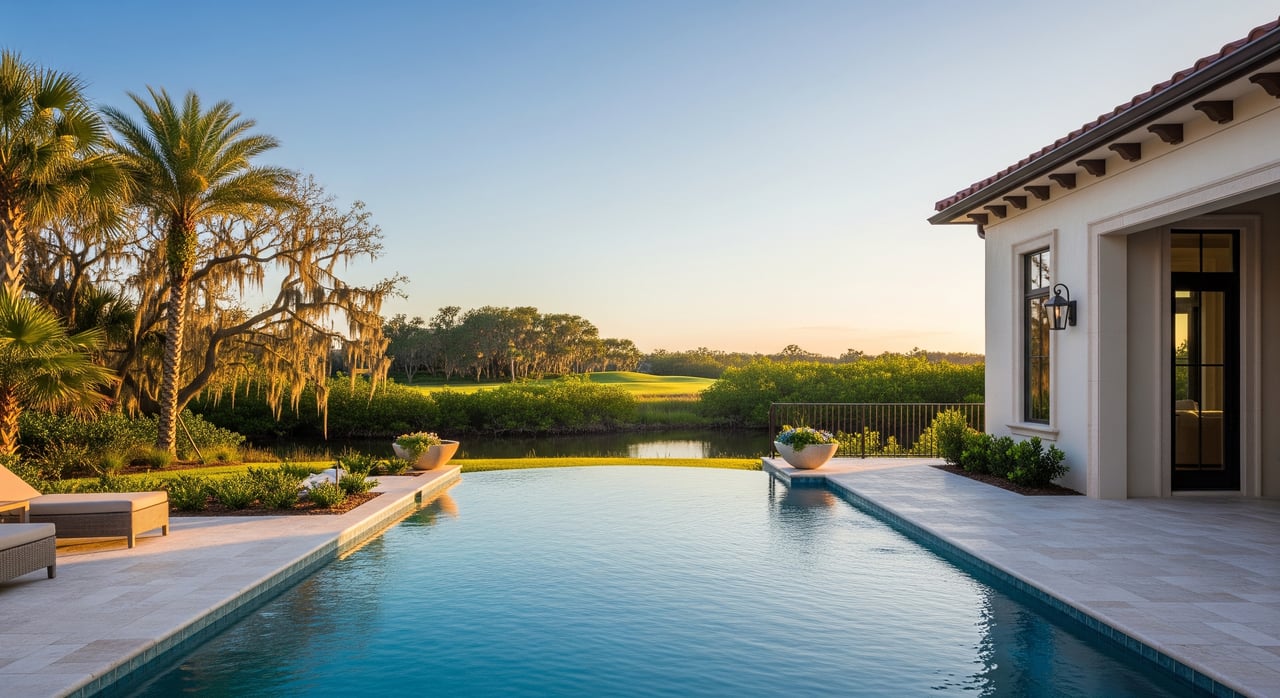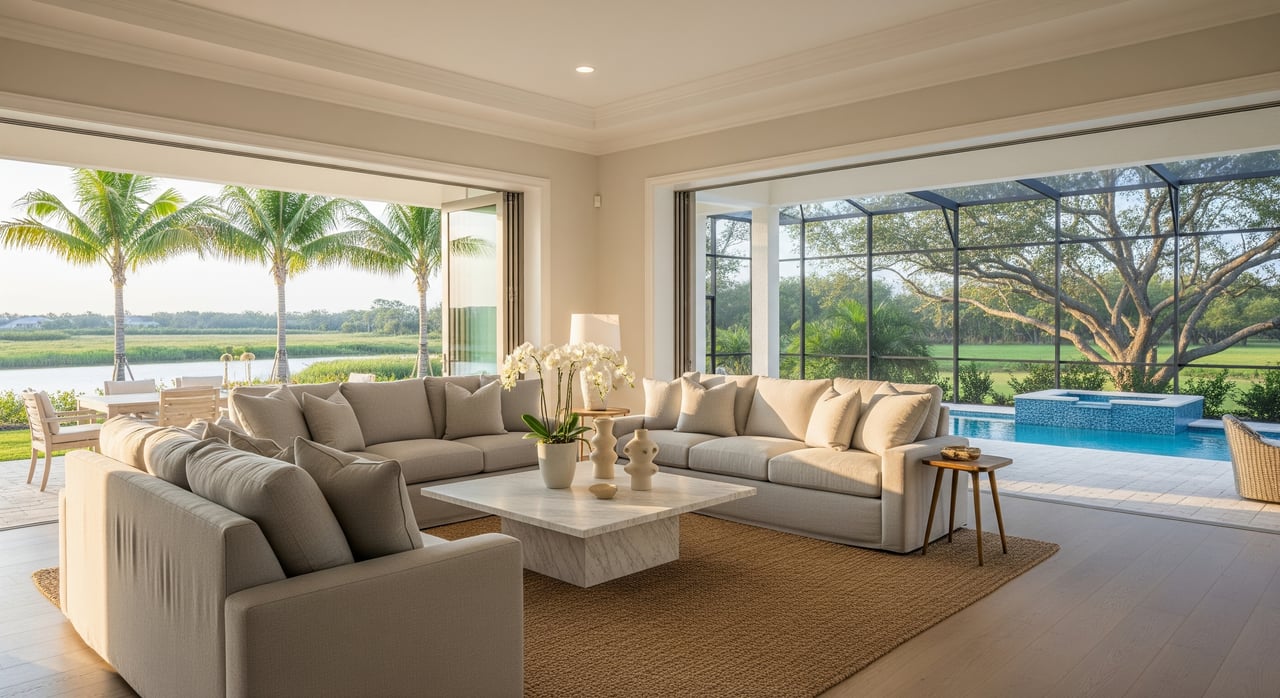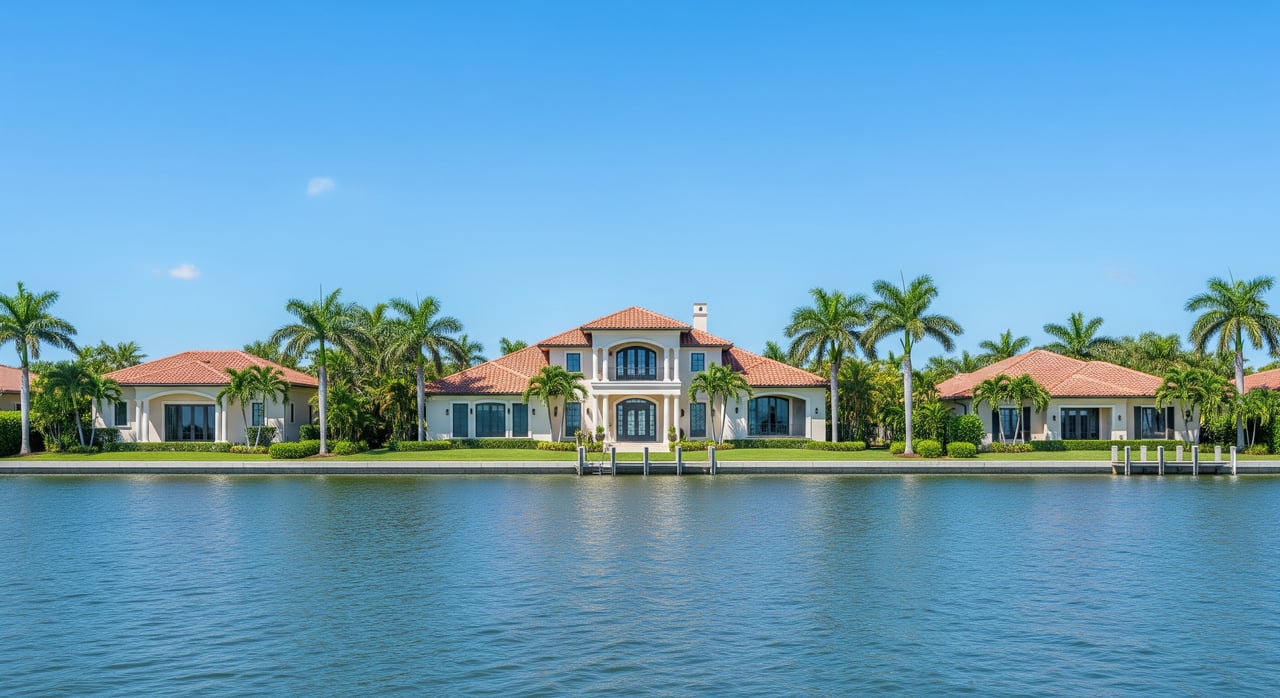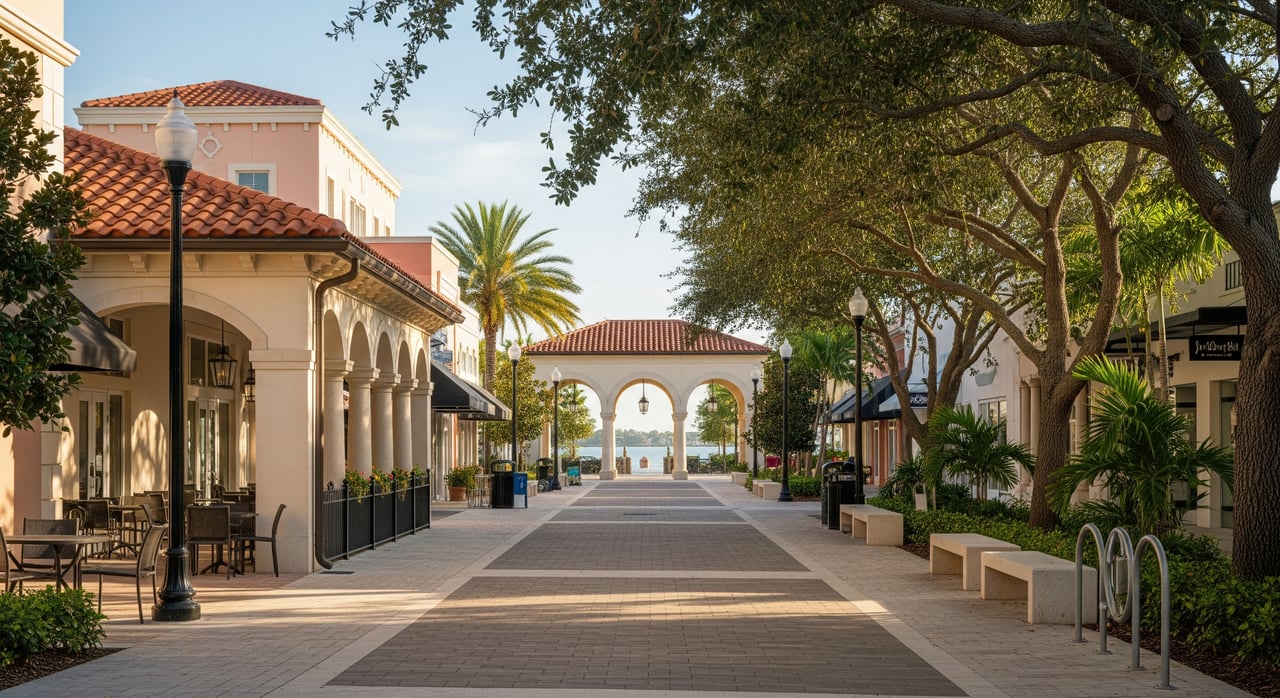
Scroll through canal-front listings in Siesta Isles long enough and you'll notice a phrase that shows up on properties built decades apart in condition but identical in one respect. The listing simply reads "build or renovate." No damage disclosed, no code violation, just an open question sitting in the description where a price justification usually goes.
That phrase is not marketing language. It's an admission. The seller, or the agent, already knows the buyer's real decision has nothing to do with square footage or finishes. It comes down to a single number most people never think to ask about until they're deep into a renovation quote: what does the county's floodplain office say this structure is worth, separate from the dirt it sits on.
The rule that reads your house differently than you do
FEMA's Substantial Improvement standard, the one everyone shorthands as the "50% rule," triggers when the cost of a renovation or repair reaches half the value of the structure itself. Not the sale price. Not the land. Just the building, valued the way a floodplain administrator values it: depreciated for age, wear, and outdated construction.
Cross that threshold and the whole structure has to come up to current flood code, which on a barrier island usually means elevation. Siesta Key's base flood elevation runs between 7 and 9 feet, so a home built at grade in the 1960s or 70s can be several feet below the level a rebuild would require. Sarasota County's own floodplain determination process, laid out in the substantial improvement worksheet the Building Division uses for every application, compares your renovation estimate against the higher of two figures: a certified appraiser's actual cash value or the county's tax-assessed value adjusted by a standard factor. The county doesn't ask what you paid for the house. It asks what the structure, and only the structure, is worth today.
That distinction is where the phrase "build or renovate" comes from. On a lot where land accounts for most of the value and the house accounts for very little, the renovation budget that trips the 50% threshold can be small. A new roof, updated electrical, and a kitchen remodel can add up faster than most owners expect on a structure the county already considers close to worthless.
Why Siesta Isles became the island's test case
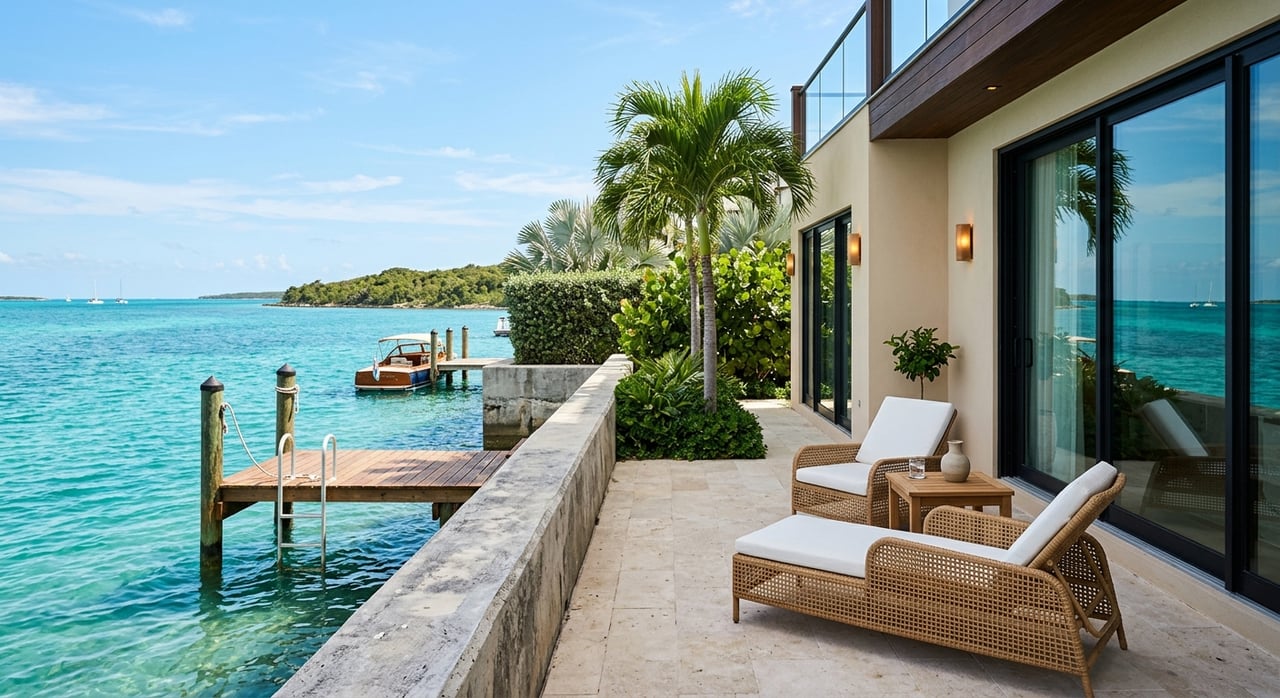
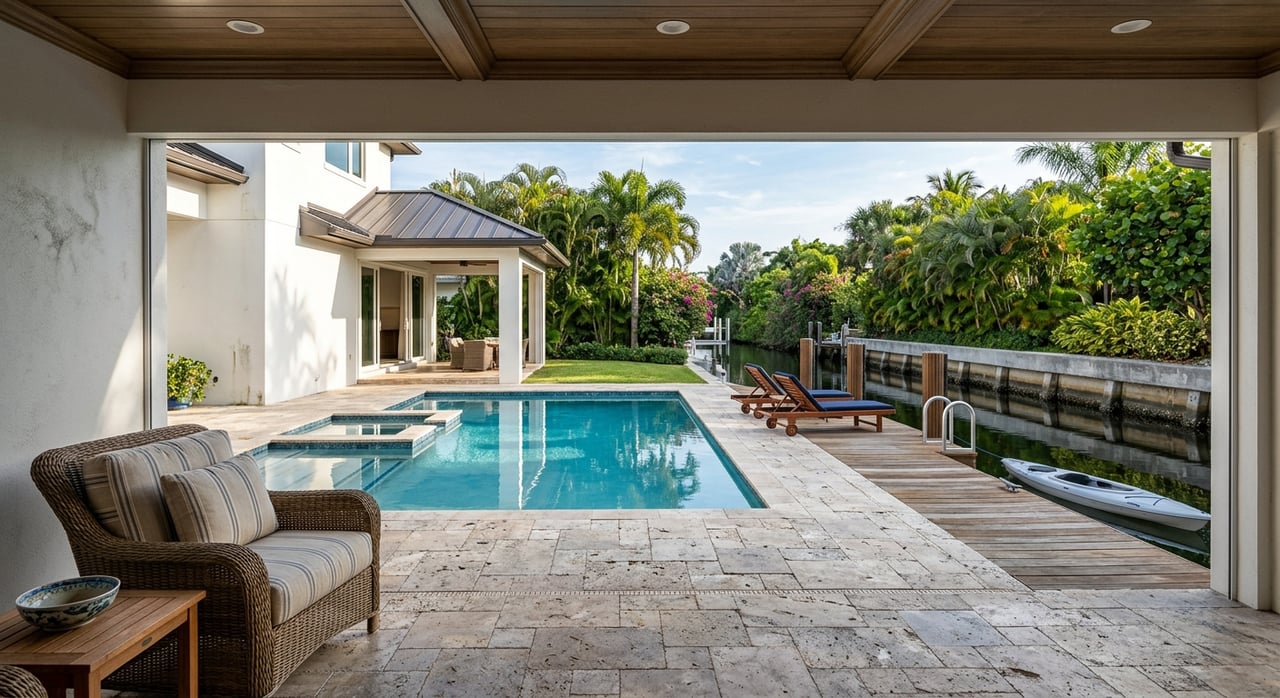
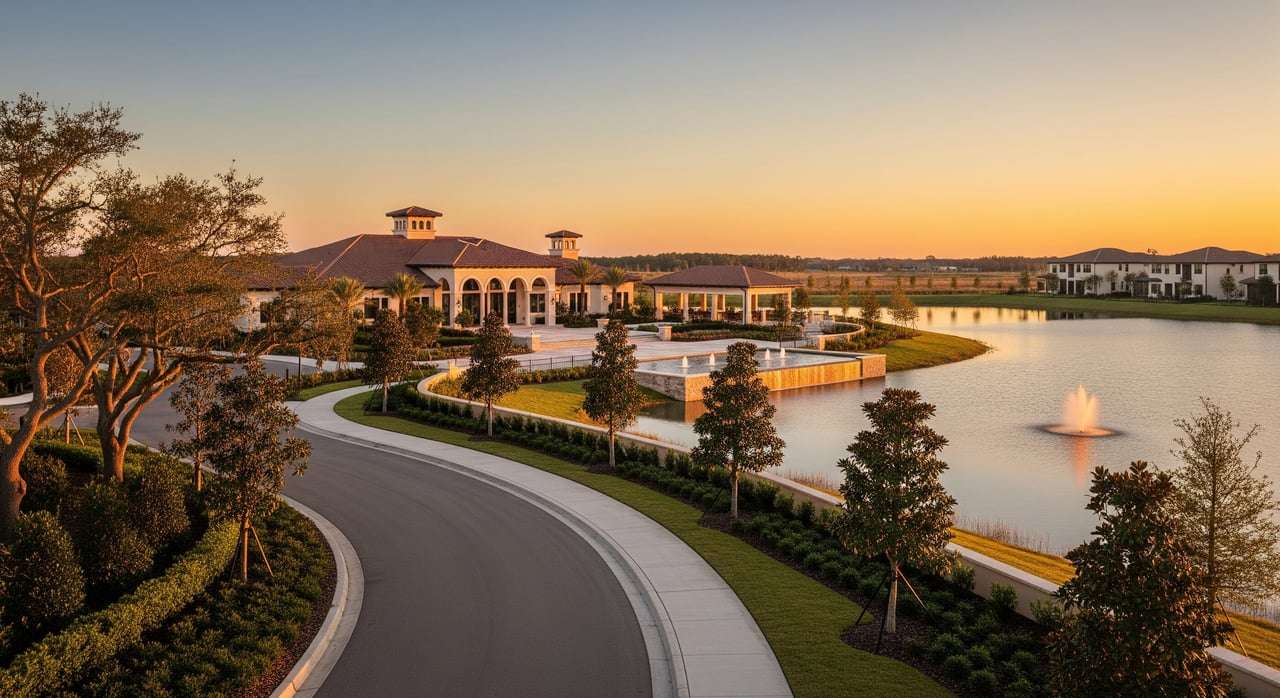
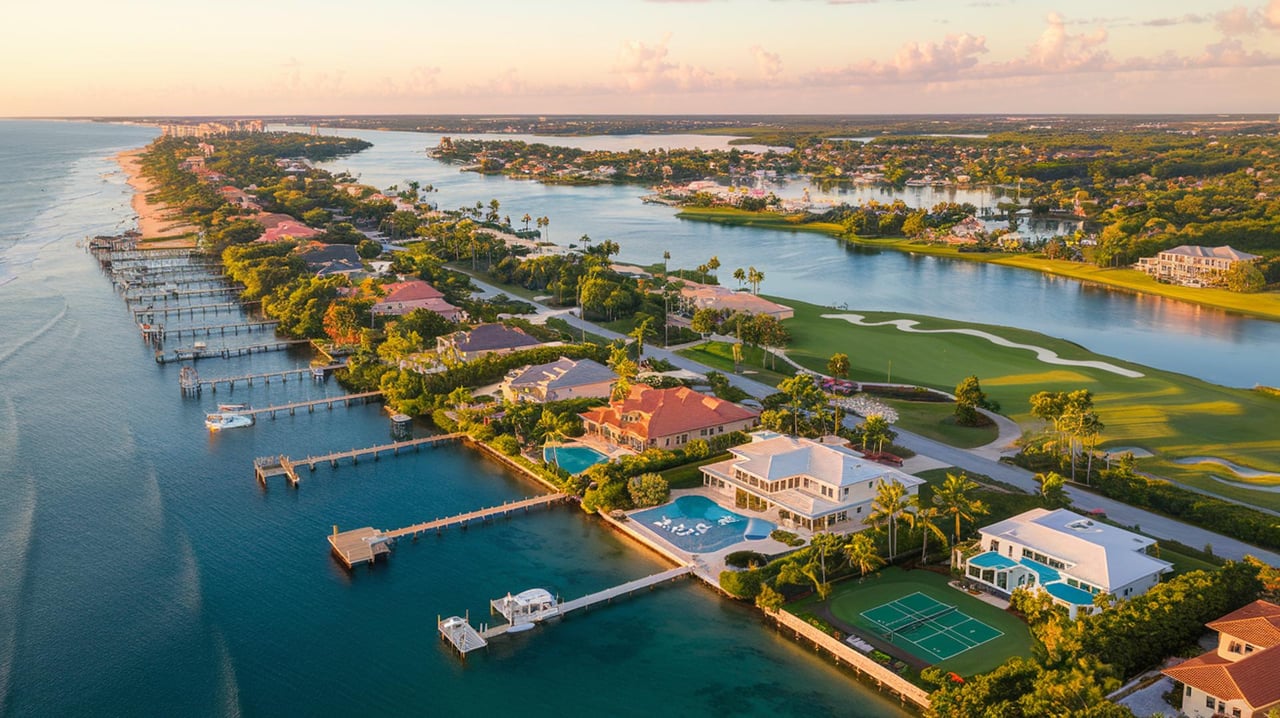
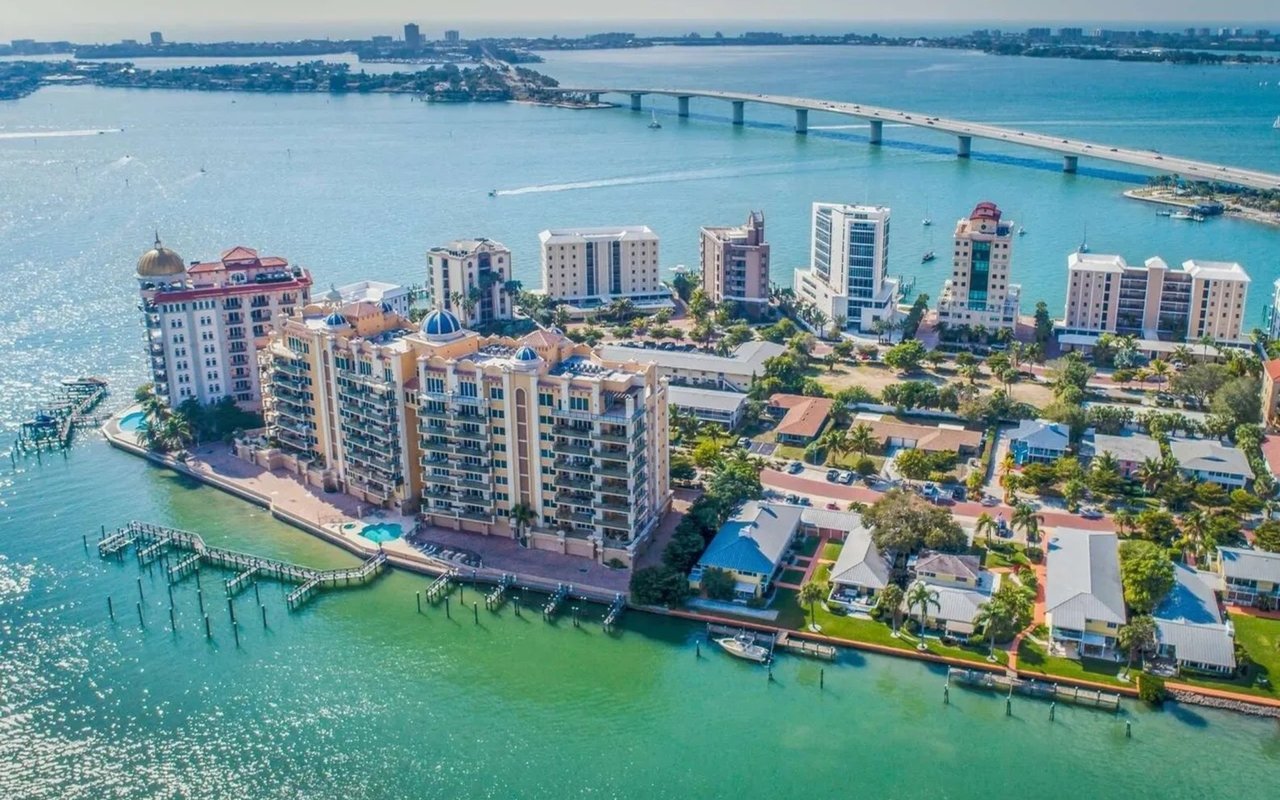
Siesta Isles is a useful place to watch this play out because the neighborhood was built almost entirely inside one narrow window. The subdivision covers 185 acres and about 300 homes, most built in the 1960s and 1970s, threaded through four miles of dredged canals that connect to Roberts Bay and, from there, the Intracoastal. Homesites run large for the island, typically 12,000 to 16,000 square feet, and streets like Contento Street and Azure Way sit on small internal islands within the canal system, meaning every lot on them is guaranteed waterfront.
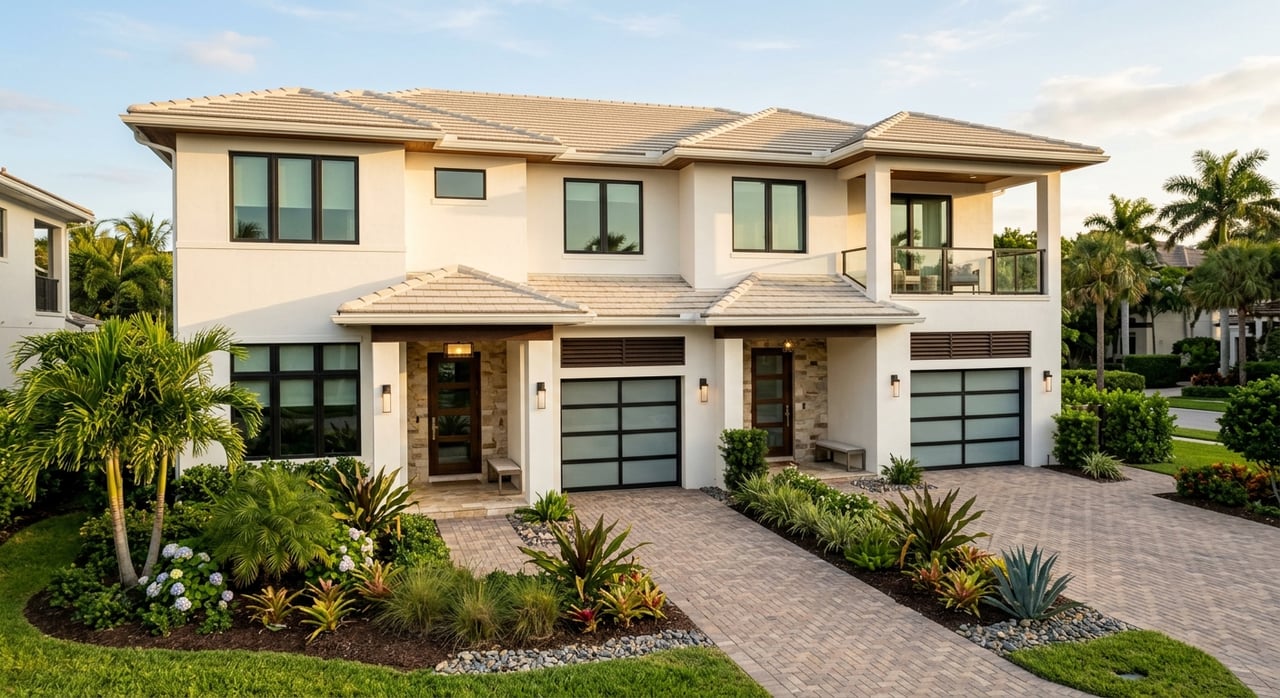
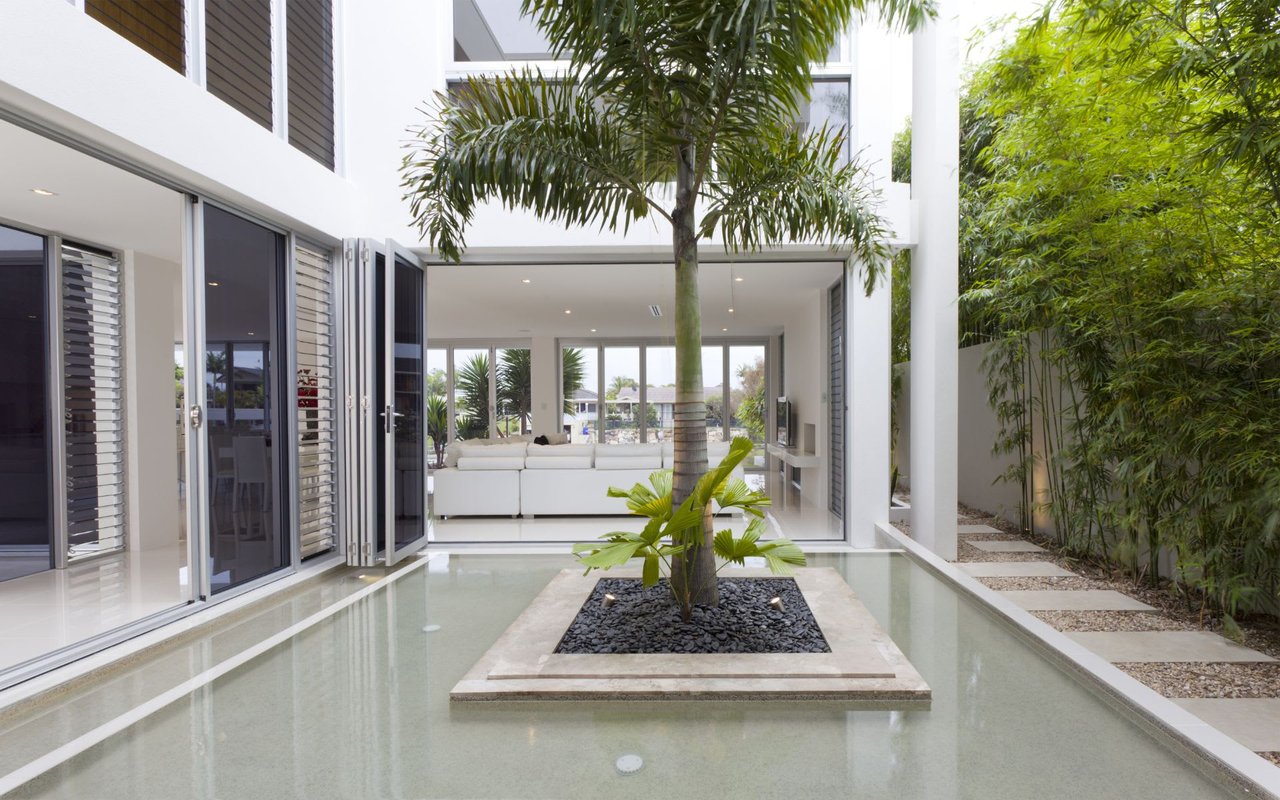
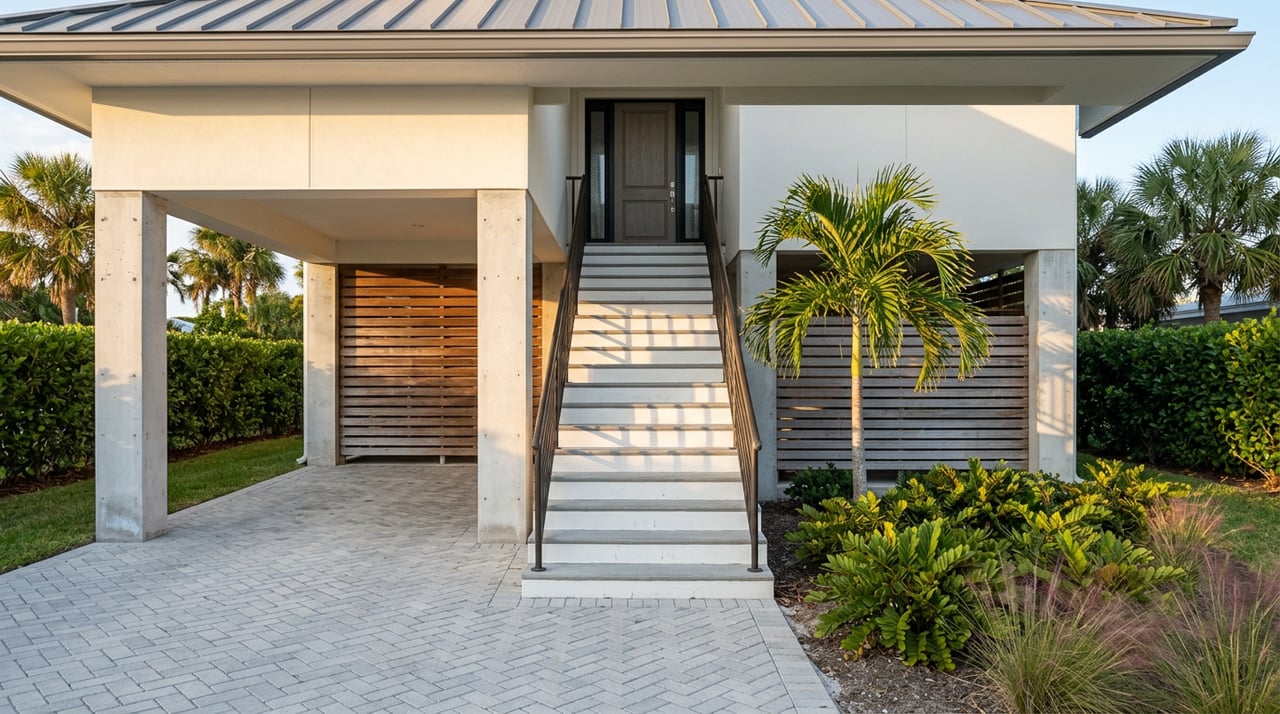
That combination, big lots, deep water, a walk to the beach under ten minutes, means the land underneath a Siesta Isles ranch house has appreciated on a completely different curve than the 1960s block structure sitting on it. You can see the result in what's actually getting built there now. A completed project on the Grand Canal, the "Marlin Model" from Nutter Custom Construction finished in 2023, replaced an older structure entirely rather than working around the old footprint. Another recent listing at 5103 Windward advertised a home built ten feet above the island's flood plain, a number that only means something if you understand how far below it the house it replaced used to sit.
None of this is unique to Siesta Isles. The same math applies on Point Crisp, along the Higel Avenue canals, and through the older sections of Crescent Beach. It's just easiest to see in a neighborhood built almost entirely in one decade, where the gap between structure value and land value shows up on nearly every lot at once.
What actually counts toward the number
The rule catches people off guard because the list of what counts is broader than most owners assume, and the list of what doesn't count is narrower.
Costs that count toward the 50% threshold include labor and materials, architect and engineer fees, permit costs, contractor overhead and profit, and site preparation tied to the structure itself. Costs typically excluded are the ones attached to the land rather than the building: landscaping, driveways, pools, and seawalls. That distinction matters because a homeowner budgeting a project around the pool deck and the dock might reasonably assume those costs push them toward the threshold, when in the county's calculation they don't count at all.
It also means a renovation doesn't need to look dramatic to hit the number. Central air, an electrical panel upgrade, and new flooring on a home the county has valued at a modest figure can add up to half that value faster than the scope of the work suggests.
The move that changes the math
There's one lever local contractors use that isn't obvious from the outside. Sarasota's tax-assessed structure values often lag behind actual construction cost and quality, especially on homes that have been updated informally over the years without triggering a reassessment. A licensed appraisal that establishes a current, defensible market value for the structure alone, separate from the land, can legitimately raise the ceiling a renovation budget has to work within. Sarasota-based remodeling firm Murray Homes has used exactly this approach on a project on Osprey Avenue, phasing a full renovation of an older Florida home so that each stage stayed under the threshold while the structure's assessed value was updated between phases. The project went on to win a 2025 NARI CotY award, proof that phased planning around this rule doesn't have to mean a compromised outcome.
The tactic doesn't work on every property. If the structure genuinely has little value left, no appraisal changes that. But on a home where the county's number is stale rather than accurate, getting a current appraisal before you scope a renovation is one of the few ways to buy yourself real room.
The deadline hiding in plain sight
There's a second number worth knowing if you're weighing a renovation or rebuild on Siesta Key right now. Florida's Building Code moved to its 8th Edition at the end of 2023, and the transition to the 9th Edition is set for December 31, 2026, a little over three months from today. Which edition applies to a given project depends on when the permit is issued, not when construction begins. Anyone planning a project timed to straddle that date should confirm with Sarasota County's Building Division which code version their permit will fall under before finalizing scope or budget, since a project that clears the 50% threshold under one edition may face different compliance requirements under the next.
What this means if you're comparing an old cottage to the new build next door
The lesson isn't that older Siesta Key homes are bad investments. Plenty of owners have renovated within the limit and come out with a home that holds value precisely because it kept its original footprint and character. The lesson is that the asking price on an older home tells you almost nothing about what you're actually free to do with it until you know two other numbers: what the county says the structure is worth, and what a realistic renovation is going to cost once every line item is counted.
If you're evaluating a Siesta Key property built before the 1990s, ask for the most recent structure valuation, or better, commission your own appraisal before you fall in love with a renovation plan. The house that looks like a bargain because of its price per square foot might be priced that way because the seller already knows what the land is worth on its own.
A few questions worth settling before you write an offer
Does the 50% rule apply to condos the same way it applies to single-family homes? The underlying FEMA standard applies to any structure in a Special Flood Hazard Area, but for condos the determination typically happens at the building level through the association, not unit by unit, so the relevant conversation is with the board and the reserve study, not a private appraiser.
If a storm damages a home, does repair work count the same as a voluntary renovation? Both storm-driven repairs and elective renovations are measured against the same 50% threshold, and Sarasota County's determination process treats a repair estimate the same way it treats a renovation estimate, comparing the full cost to restore the structure against its pre-damage value.
Can I do a renovation in phases to stay under the threshold? Sometimes, but Sarasota County tracks cumulative permitted work over a period local contractors describe as one to five years, so a sequence of permits filed too close together can be added up and evaluated as a single project. Get the county's current counting method in writing from the floodplain office before you plan phases around it.
If you're weighing whether a specific Siesta Key property is a renovation candidate or a rebuild in waiting, that's exactly the kind of question worth a conversation before you write an offer, not after. Shane Lewis works these streets regularly and can help you get the structure valuation, permit history, and floodplain math in front of you early, so the number that matters is the one you know about instead of the one you find out about mid-renovation. Start with a home valuation to see where your target property actually stands.