Thinking about building a new home in Lakewood Ranch but not sure where to start? You are not alone. Between villages, builders, design studios, and HOA or CDD fees, it can feel like a maze. This guide breaks down your options in plain English so you can move from browsing to confident decisions. Let’s dive in.
How new construction works in Lakewood Ranch
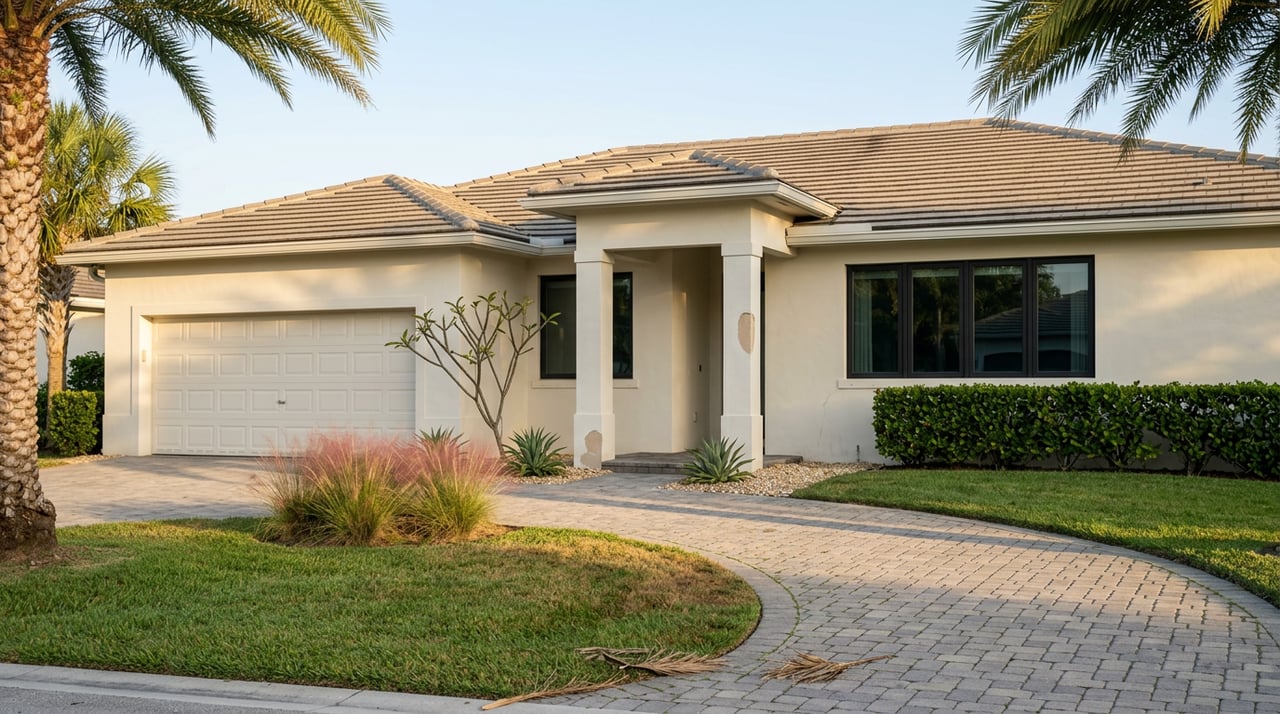
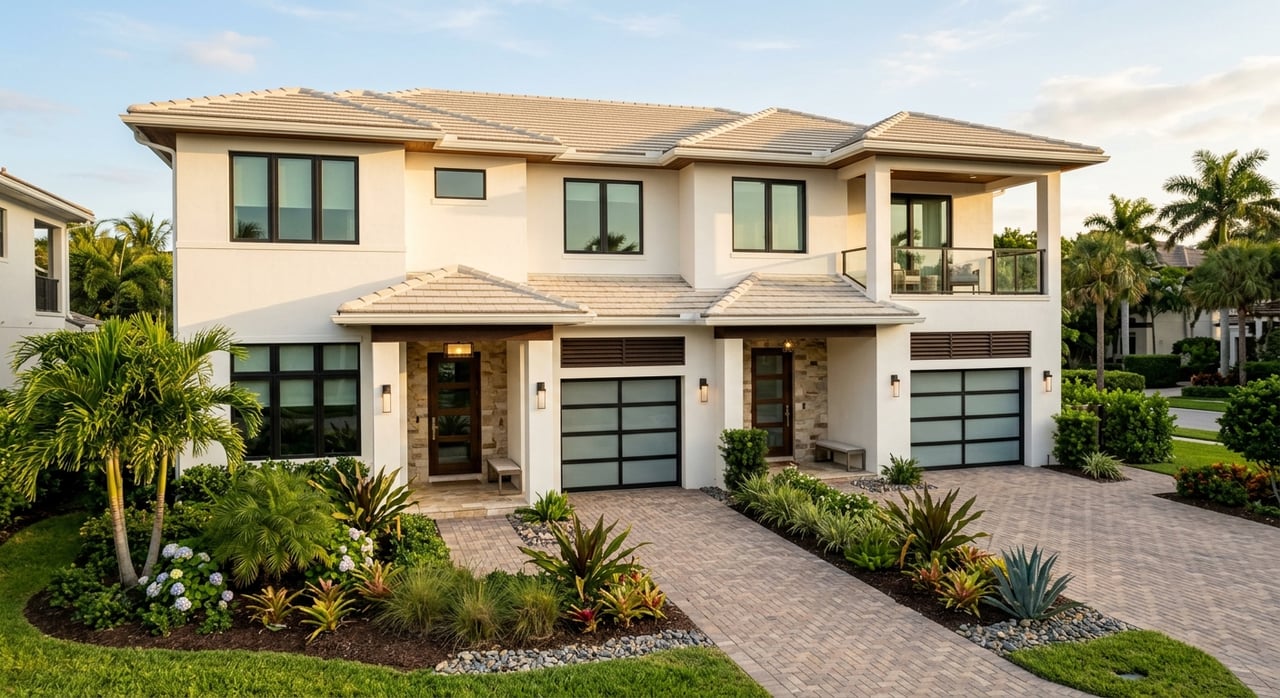
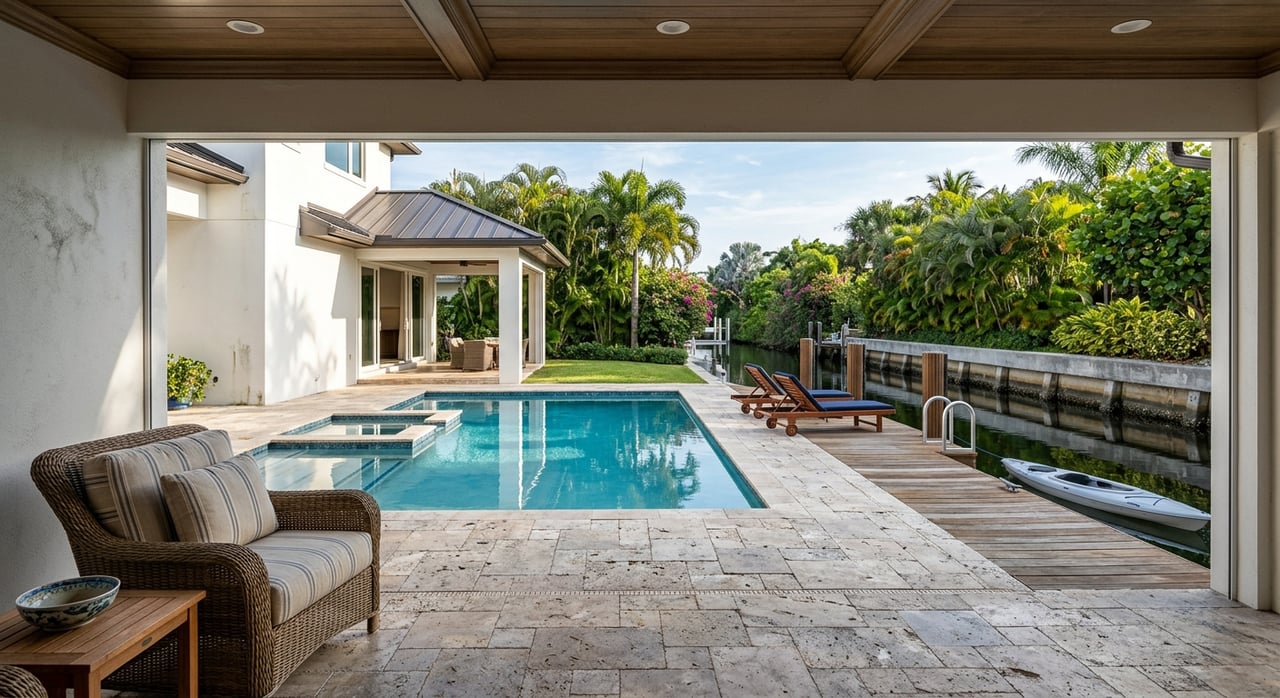
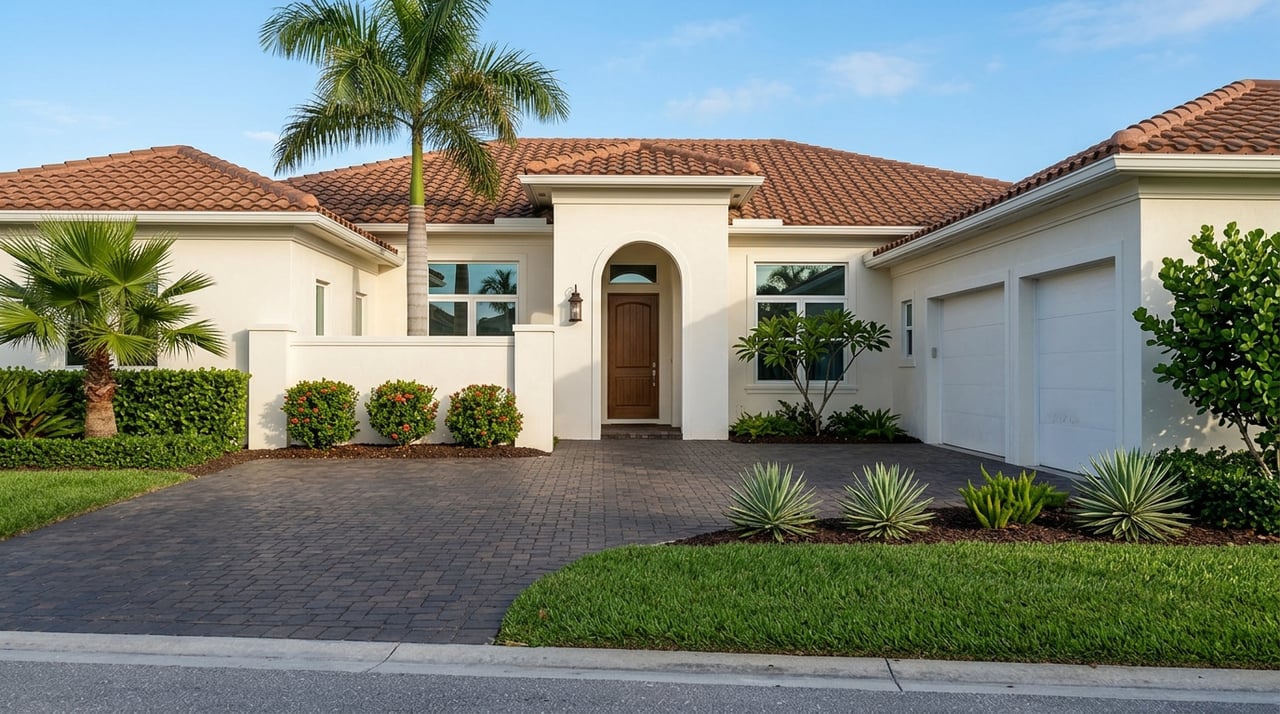
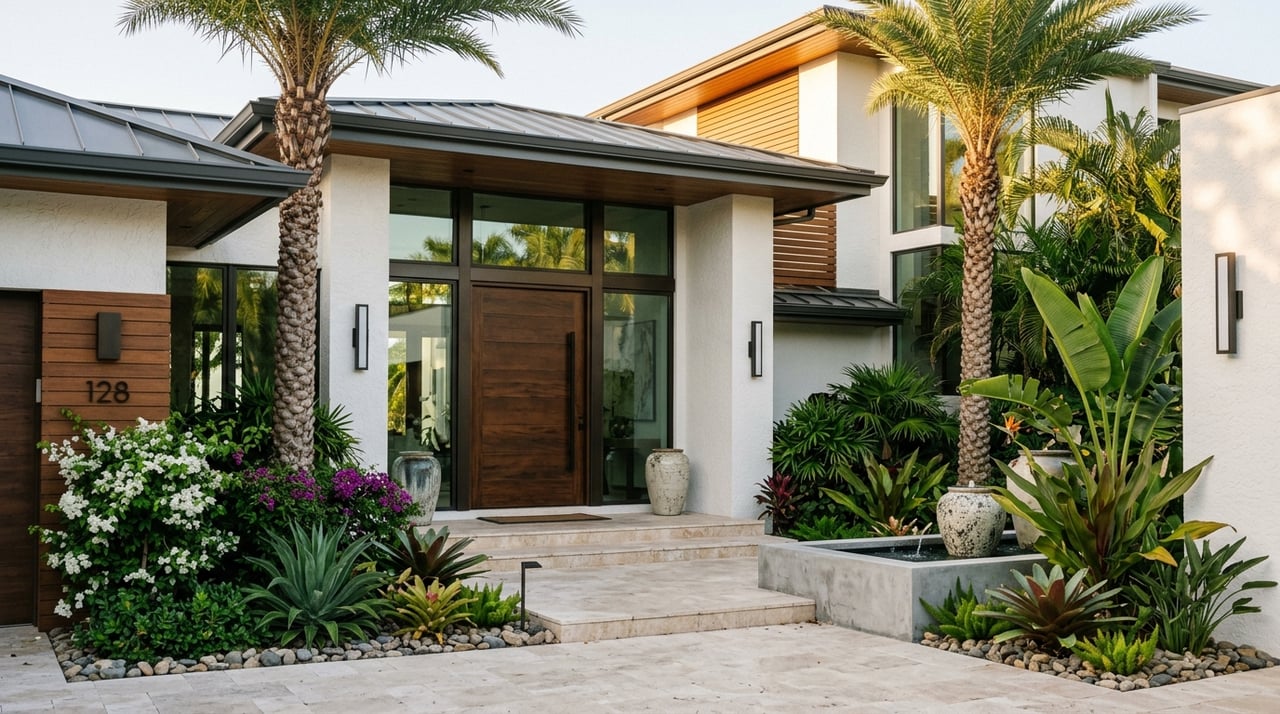
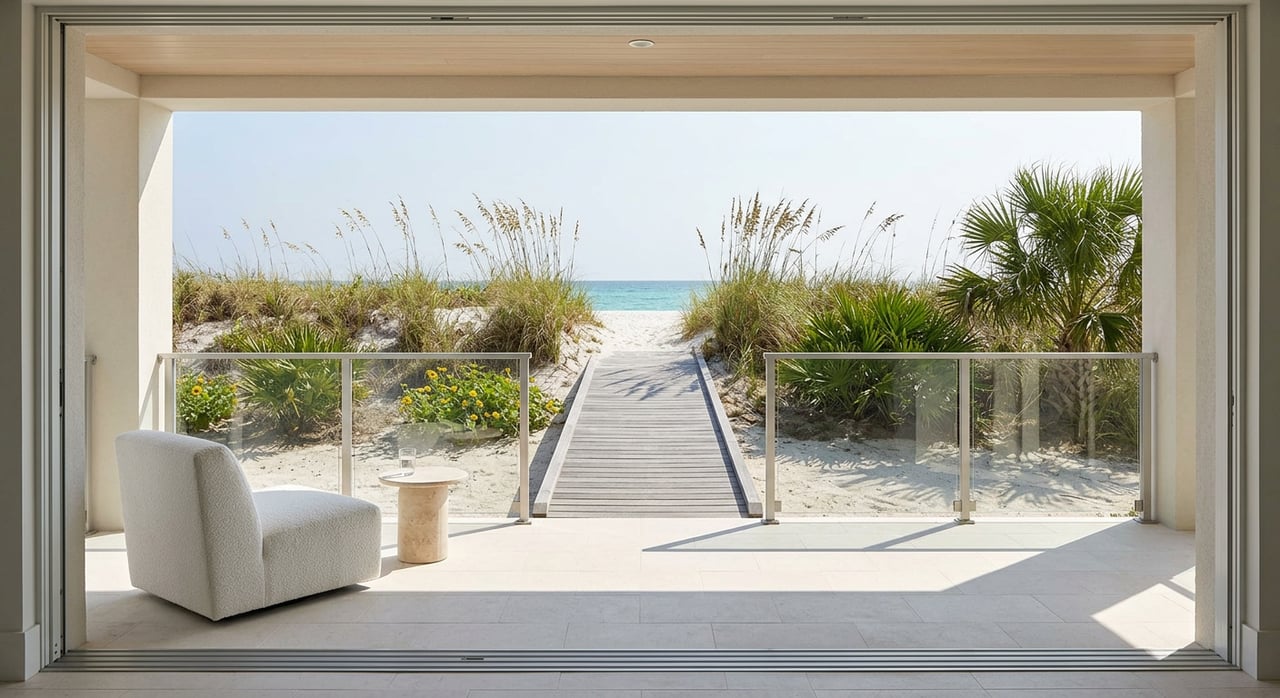
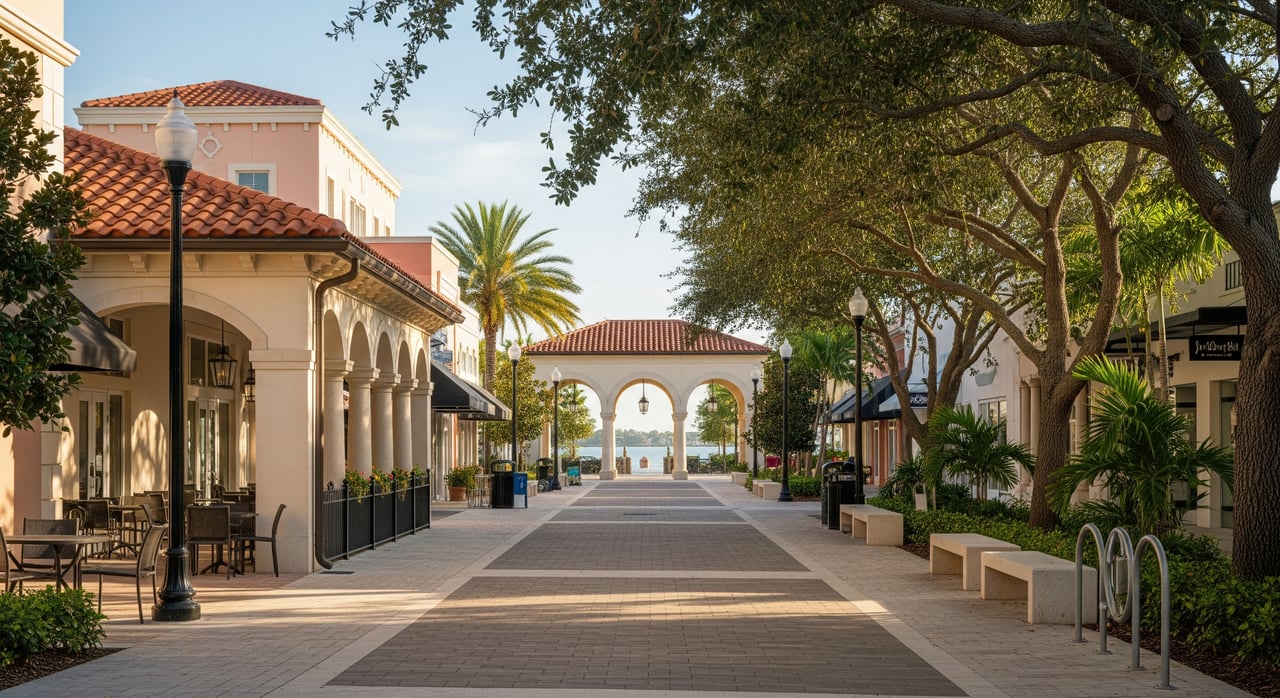
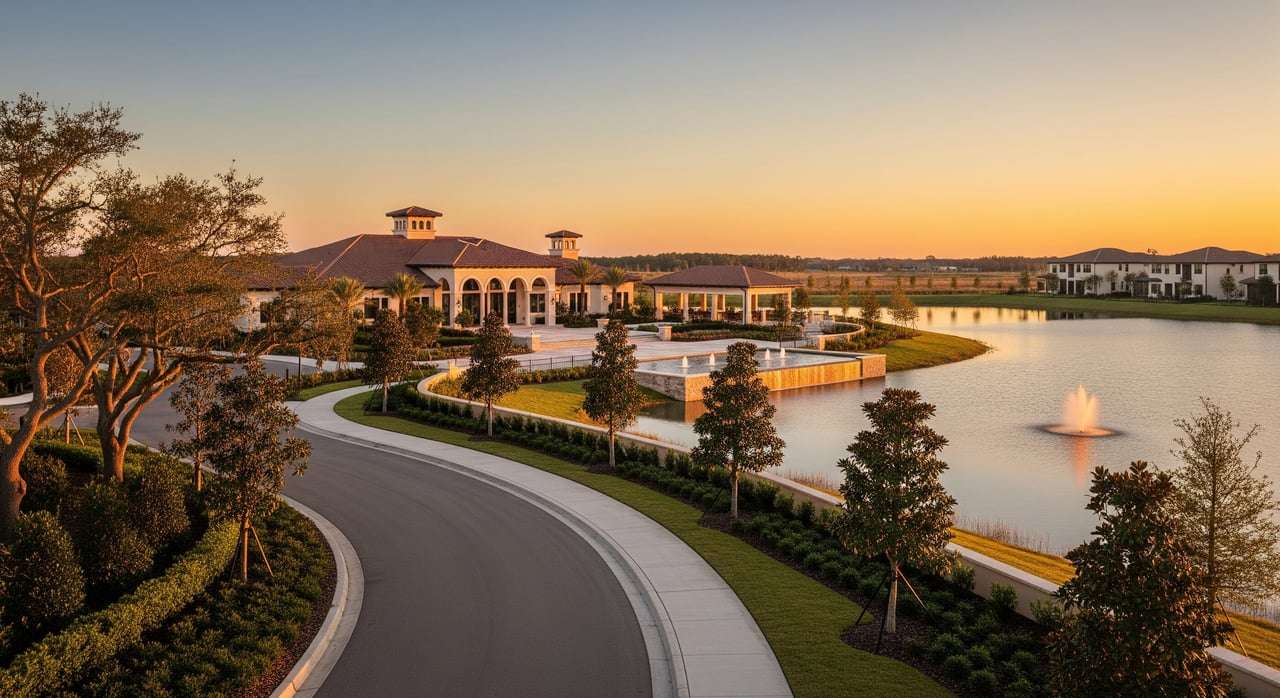
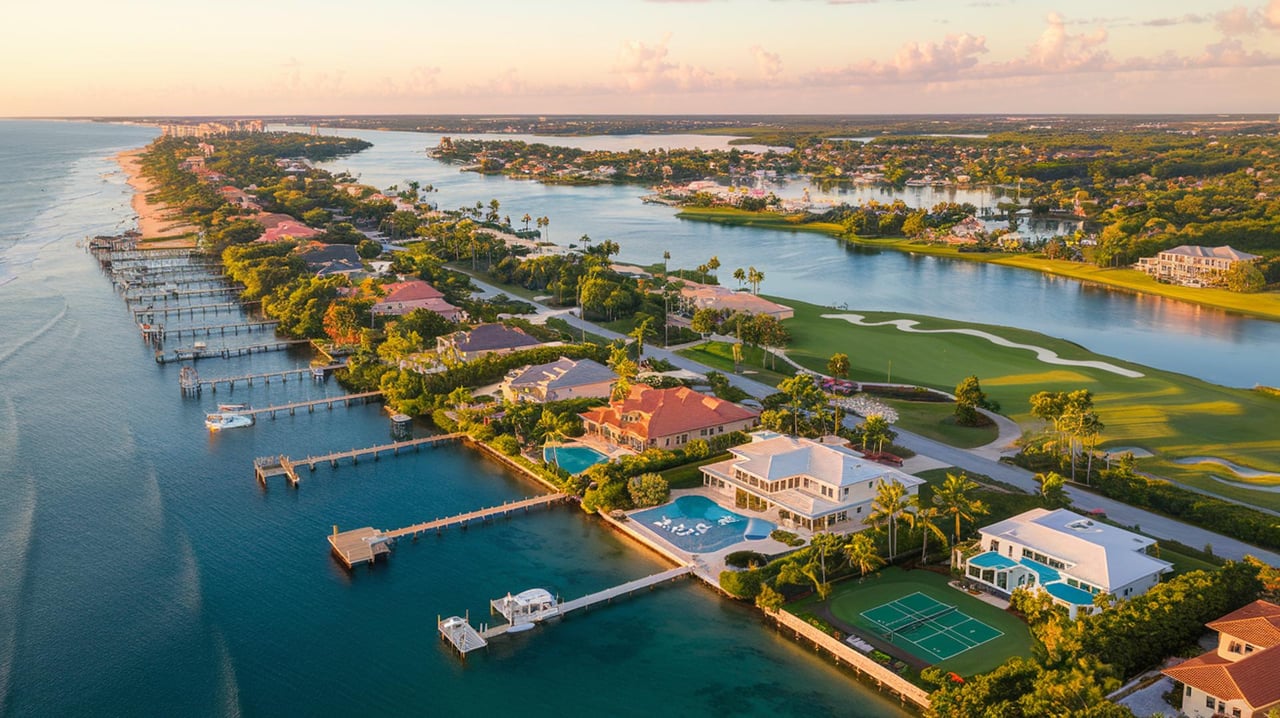
Lakewood Ranch is a master‑planned community organized by individual villages. Each village has its own product types, price bands, HOA rules, and amenities. You will see options that range from townhomes and attached villas to single‑family homes and custom builds. The community’s site lists active villages and builders so you can check today’s lineup and promotions on the official builder roster and incentives page.
Villages and product types
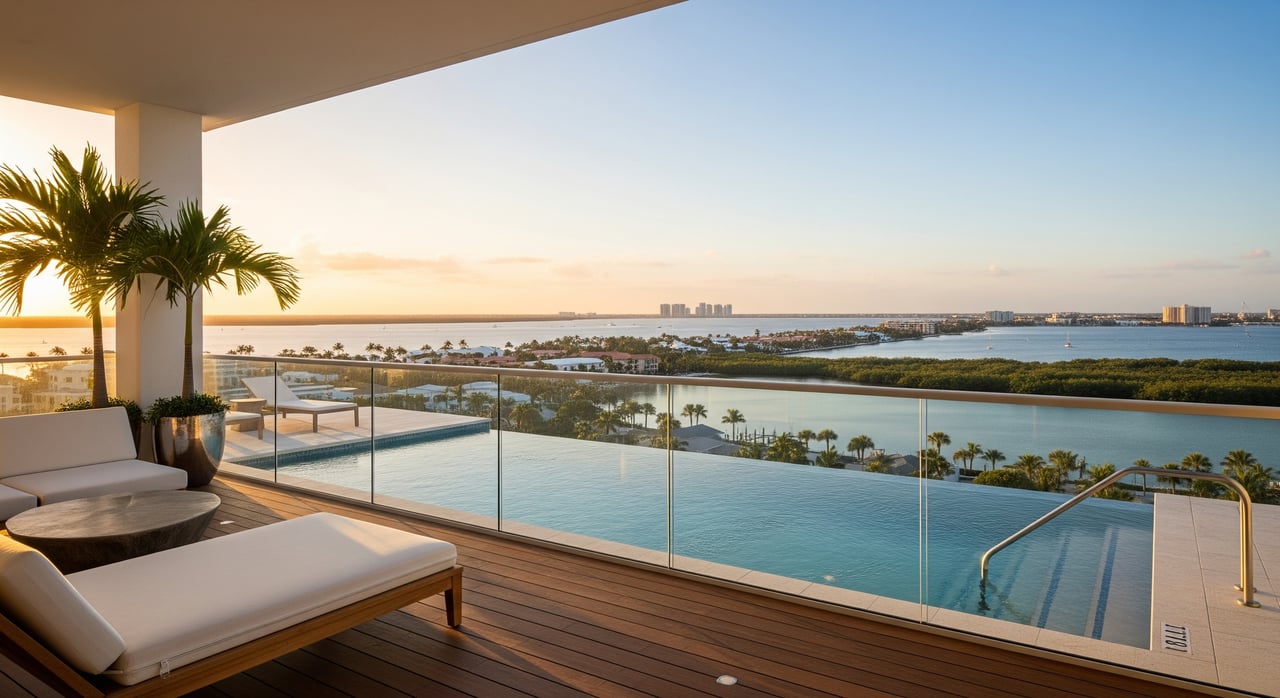
You can shop single‑family homes, low‑maintenance villas, and townhomes in different villages. Some neighborhoods are age‑restricted or lifestyle‑focused. For example, Cresswind offers age‑restricted living with a range of home styles, while other villages emphasize variety across entry to luxury price points. Always confirm what is included and what the HOA covers on the specific village page you are considering.
Builders and incentives
You will meet a mix of national and regional builders in Lakewood Ranch. The official builder roster shows who is building in each village and highlights any current incentive offers. Incentives can include rate buydowns, design credits, or help with closing costs. Compare the total value after incentives, and check whether a preferred lender or title company is required to qualify.
Choose your build path and timeline
Most buyers follow one of three paths. Your budget, timing, and need for customization will guide the right fit.
Quick‑move‑in homes
Inventory or spec homes are already under construction or complete. You can often close in weeks to a few months. Selection is limited, but builders may offer meaningful promotions on specific homes. If appraisal comparables are thin in a new phase, these homes can sometimes help with financing predictability.
Build‑to‑order production homes
You choose a plan, a lot, and design finishes. Typical build times are often measured in months for production builders. National benchmarks suggest many build‑for‑sale homes complete in roughly 6 to 8 months from start, although local variables like permitting, weather, and finishes can extend timing. If you are financing, ask your lender how they will handle new‑construction appraisals and builder concessions. Guidance for proposed or new construction appraisals can be nuanced when incentives are involved, so confirm expectations early using resources like FHA underwriting guidelines.
Semi‑custom and full custom
You will have more design control and site‑specific decisions. Expect longer timelines and more variables. Premium lots and bespoke materials add steps to permitting and construction. If you want architectural uniqueness, plan ahead and build a buffer into your schedule.
Design studio decisions made simple
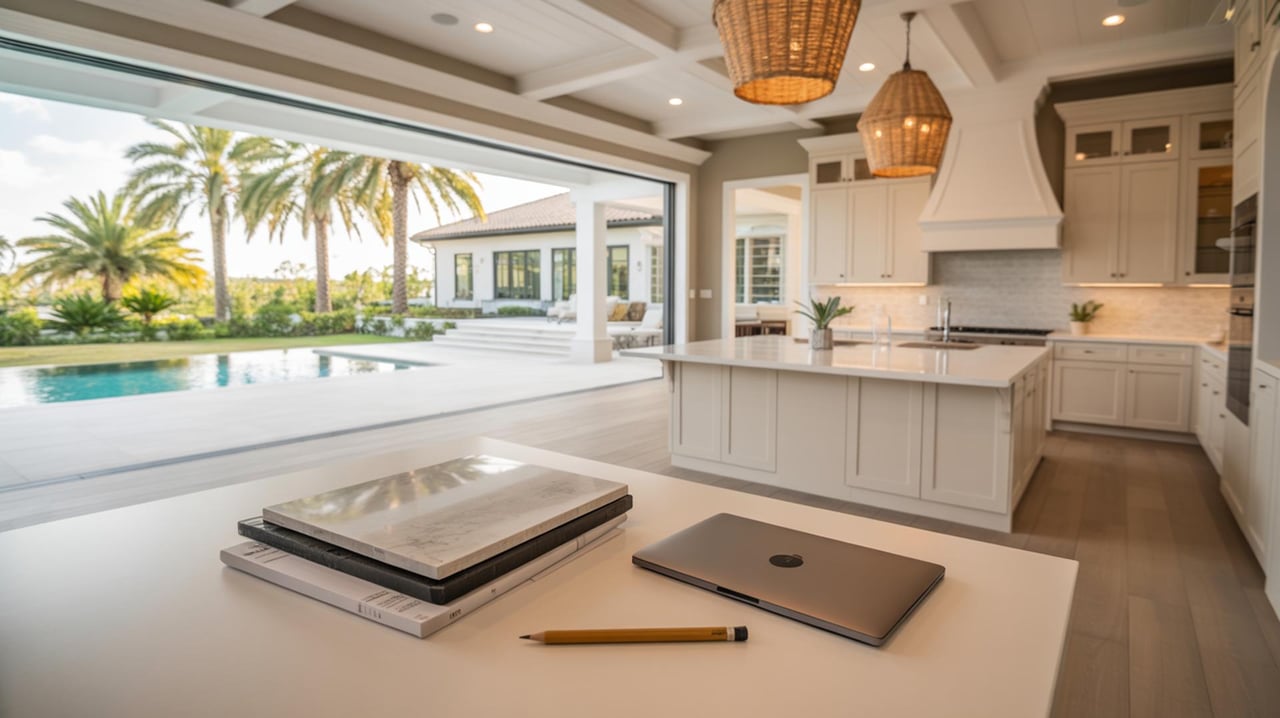
Your design appointments are where finishes and fixtures come to life. Knowing the flow helps you stay on budget and on schedule.
What you pick and when
Production builders typically schedule a multi‑hour first appointment soon after you sign the contract. You will choose major categories like flooring, cabinets, countertops, appliances, and primary fixtures. Follow‑up sessions focus on lighting, hardware, and trim. Deadlines matter, and missing them can trigger default selections. For a helpful overview of how builders organize these sessions, review this design studio guide.
Allowances, upgrades, and change orders
Builders publish allowances for key categories. If you select beyond the allowance, the difference is an upgrade you pay for. Expect written change orders with clear pricing and schedule impacts. Structural changes later in the process are costly and can delay closing, so lock those early.
Pro tips for your appointments:
- Bring inspiration photos for style and color.
- Ask for the full allowance list and a sample invoice that shows markups and installation.
- Budget a contingency for upgrades.
- Confirm whether your lender allows upgrades to be financed or requires cash at closing.
Contracts, warranties, and Florida rules
New‑construction contracts are builder‑friendly by design. Know what you are signing, and get key items in writing before you place a deposit.
What to confirm in your contract
- The exact contracting entity, where deposits are held, and which deposits are refundable. Ask for escrow instructions and the deposit schedule.
- What the base price includes versus model‑home features. Require an itemized inclusion list so you know what you are buying.
- The change‑order process, payment timing, taxes, and schedule impacts in writing.
- Financing contingencies and whether incentives require a preferred lender or title company.
- Closing conditions, default and delay remedies, and who pays for punch‑list work needed for a Certificate of Occupancy. For a practical overview of these points, review this contract and deposits checklist.
What your warranty covers
Most builders use a 1‑2‑10 warranty model: one year for workmanship, two for systems, and ten for major structural coverage. Ask for the full warranty booklet up front and confirm whether structural coverage is insurance‑backed and transferable on resale. This structural warranty primer explains how common programs work.
Florida construction law quick notes
Florida requires a pre‑suit notice and inspection process for construction defect claims. In 2023, SB 360 changed the time frames for certain claims related to improvements to real property. These rules affect how and when owners can pursue defect remedies. Speak with a Florida real‑estate attorney about how SB 360 and related statutes apply to your purchase and warranty.
HOA, CDDs, and monthly costs
Understanding how community fees work will help you budget accurately and avoid surprises.
How CDDs work in Lakewood Ranch
Many Lakewood Ranch villages sit within Community Development Districts. CDDs fund and maintain community infrastructure, and assessments appear on your property tax bill. These are separate from HOA dues. For a plain‑English overview and links to budgets and assessments, read this Lakewood Ranch CDD explainer.
Maintenance included vs. not
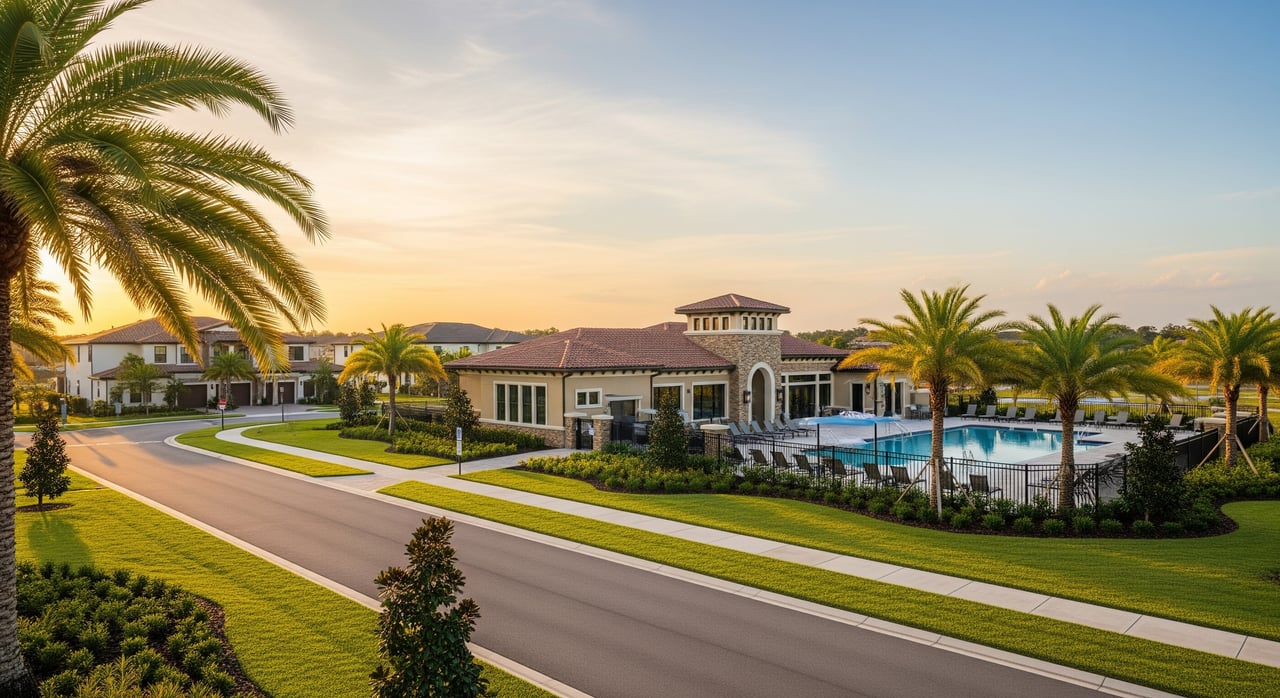
Some villages are labeled maintenance‑included, which can cover lawn care, irrigation, roof or exterior services. The scope varies by village and sometimes by phase. Always verify the HOA’s maintenance matrix and fee schedule before you sign. You can see how fees and inclusions are presented on a village page like Windward, then request the official documents for the neighborhood you choose.
Buyer checklist: Lakewood Ranch new builds
Use this quick checklist to stay organized before you go under contract.
- Ask for the builder’s full spec sheet and base‑price inclusion list, plus model‑home upgrade disclosures.
- Request the HOA covenants, rules, budget and reserves, and the CDD budget and latest assessment roll.
- Confirm HOA fees, what they cover, and any club or program fees that are optional or mandatory. Check leasing rules if relevant to your plans.
- Get the warranty provider’s name, read the booklet, and confirm transferability and insurance‑backed structural coverage.
- Have a Florida real‑estate attorney review the purchase agreement, deposit refundability, dispute resolution terms, and any arbitration clause.
- Confirm design appointment dates, selection deadlines, and whether long‑lead upgrades can be financed or must be paid in cash.
- Ask for flood zone details and insurance estimates for the lot you want. Document any required mitigation or grading work.
- If financing, coordinate with your lender and the builder early so the appraiser understands incentives and comparable sales.
If you want a local, steady hand to help you compare villages, line up builders, and protect your timeline, reach out. As a Sarasota‑Manatee new‑construction resource, Shane Lewis can guide you from lot walk to closing with clear steps and proactive communication.
FAQs
What new‑construction types can I buy in Lakewood Ranch?
- You can find single‑family homes, attached villas, townhomes, and age‑restricted options across different villages, each with its own HOA and fee structure.
How long does a new build usually take in Lakewood Ranch?
- Many production builds complete in roughly 6 to 8 months from start, while semi‑custom or custom homes often take longer due to design and permitting steps.
What does “maintenance included” mean in Lakewood Ranch?
- It signals some exterior services are covered by the HOA, but scope varies by village and phase, so review the specific HOA documents and fee matrix.
Are there CDD fees in Lakewood Ranch and how do they work?
- Yes, many villages have CDD assessments that fund infrastructure; they are billed annually on your tax bill and are separate from HOA dues.
Do I need an agent for a new‑construction purchase in Lakewood Ranch?
- An experienced local agent can help you compare villages, evaluate incentives, review documents with your attorney, and keep your build on schedule and budget.