What does a typical Tuesday look like when you live in a downtown Sarasota condo? Picture coffee in hand, a short stroll to the bay, and dinner plans that start with a show just a few blocks away. If you want an easy, low‑maintenance lifestyle with culture, waterfront access, and daily convenience, this guide shows you what life here really feels like. You will also learn about building types, amenities, and the tradeoffs to weigh. Let’s dive in.
Walkable mornings and easy errands
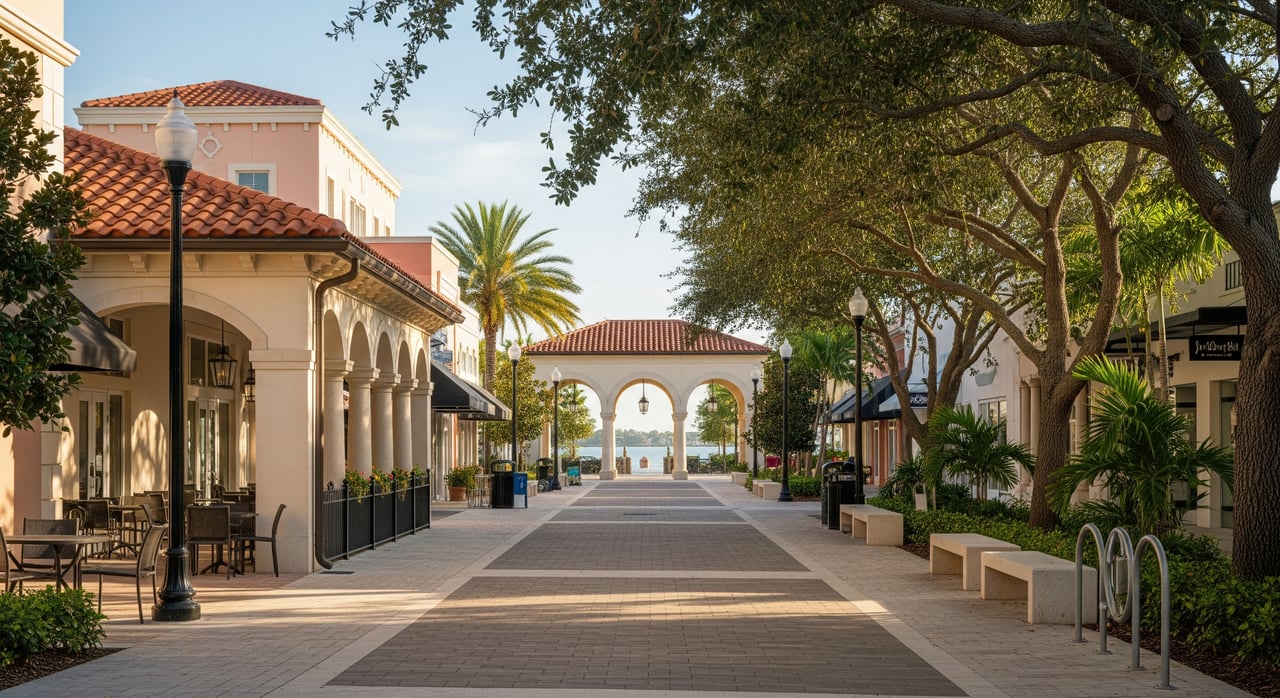
Downtown Sarasota puts everyday needs within a short walk. The city center scores as Very Walkable, which means you can reach many restaurants, boutiques, galleries, and services on foot while enjoying a compact street grid and short blocks. See how the area ranks on the Sarasota Walk Score to get a feel for walk times and route options (downtown walkability at a glance).
On Saturdays, the Downtown Sarasota Farmers Market along Lemon Avenue brings fresh produce, flowers, and prepared foods to your doorstep. It runs in the morning through early afternoon and is a weekly ritual for many residents. Browse the vendor list and plan your route before you head out (Sarasota Farmers Market).
Getting around without hassle
You can walk or bike for most close‑in errands and entertainment, and you will likely keep a car for beach days, larger grocery runs, and some appointments. Sarasota County’s transit system, Breeze, runs several fixed routes into downtown along with OnDemand service in select zones and seasonal trolleys to the barrier islands. Check routes and schedules to see if they match your routine (Breeze Transit routes and options).
If you work downtown, commuting on foot is a real option. Many residents also use rideshare for evening outings so they can enjoy dinner and a show without worrying about parking.
Arts and culture at your door
Sarasota’s downtown arts scene is active year‑round. You can plan evenings around the Sarasota Opera House, Florida Studio Theatre, or touring acts at the bayfront Van Wezel Performing Arts Hall (Van Wezel overview). Many residents make it a ritual to enjoy a pre‑show dinner, then take a short bayfront walk.
The Bay, a multi‑phase public waterfront park, adds a steady stream of free programming that ranges from fitness classes to open‑air concerts. It is designed as a daily gathering place and a public complement to private condo amenities. See the types of events happening now (The Bay programming).
Waterfront access and boating
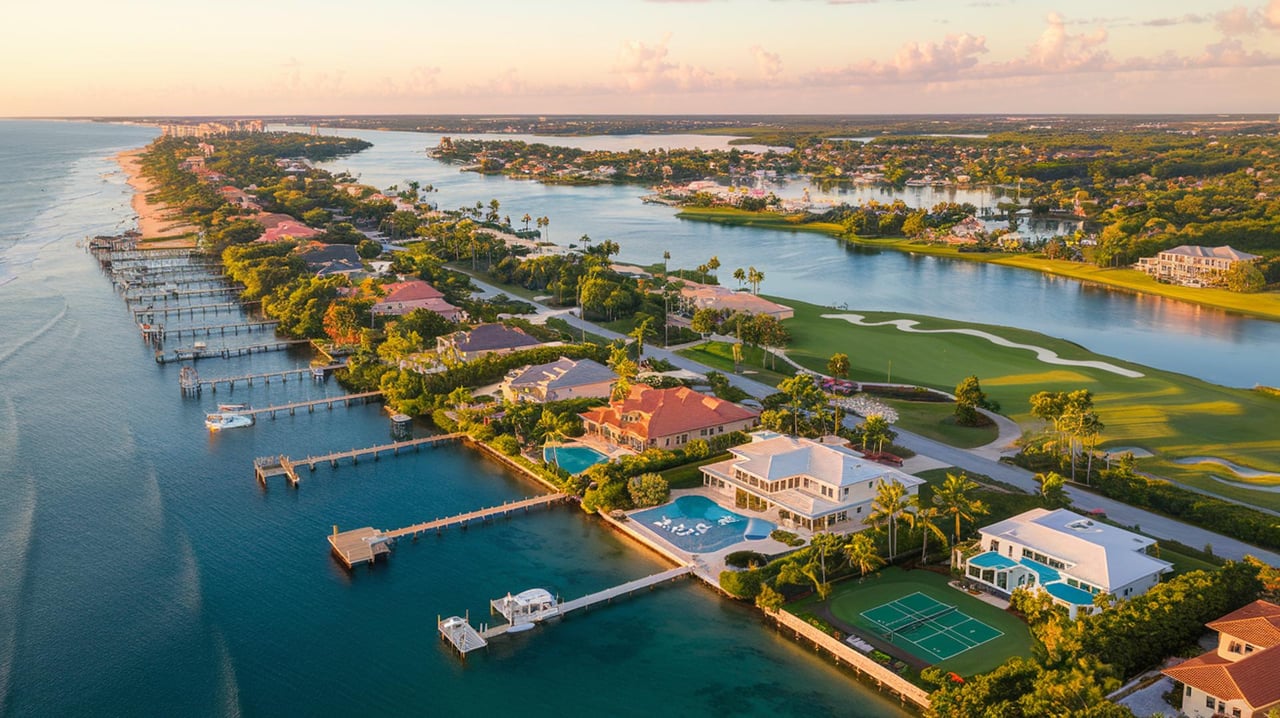
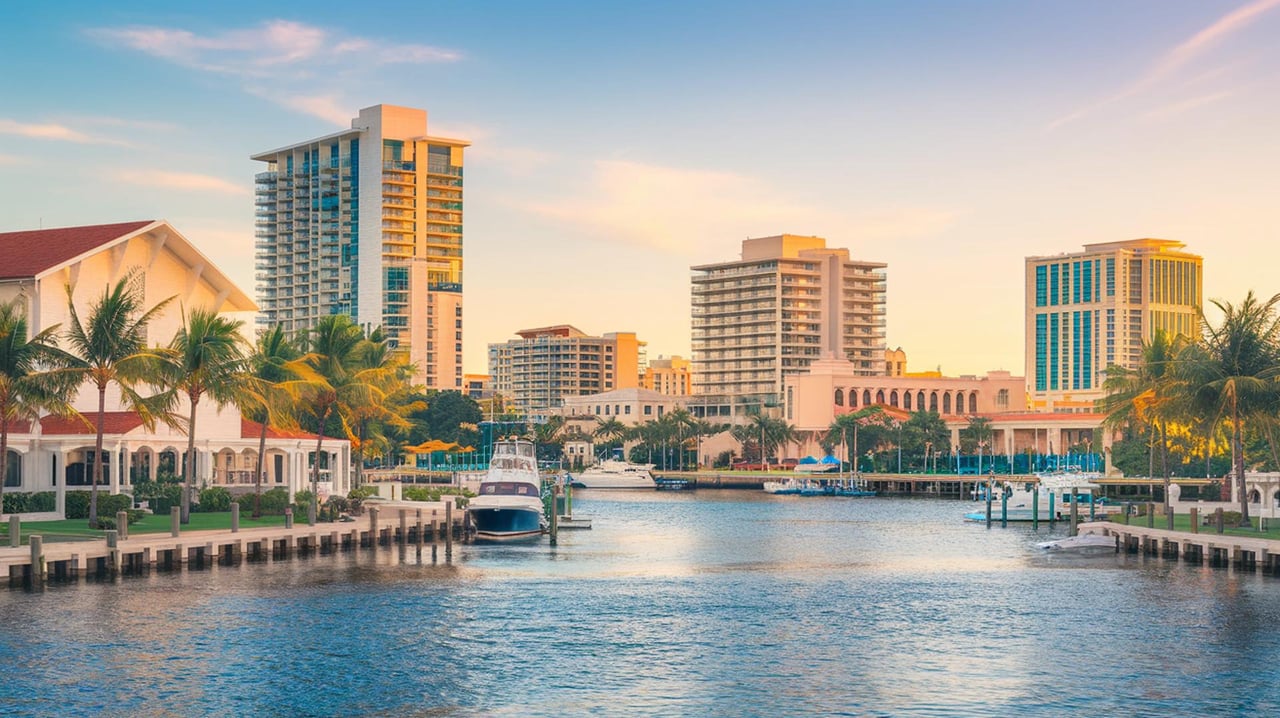
Boating is part of daily life for many condo residents. Marina Jack anchors the downtown waterfront with dining, sightseeing and sunset cruises, and access to private charters. Even if your building does not have private docks, you can still enjoy the water with friends, tours, or planned outings (Marina Jack and bayfront hub).
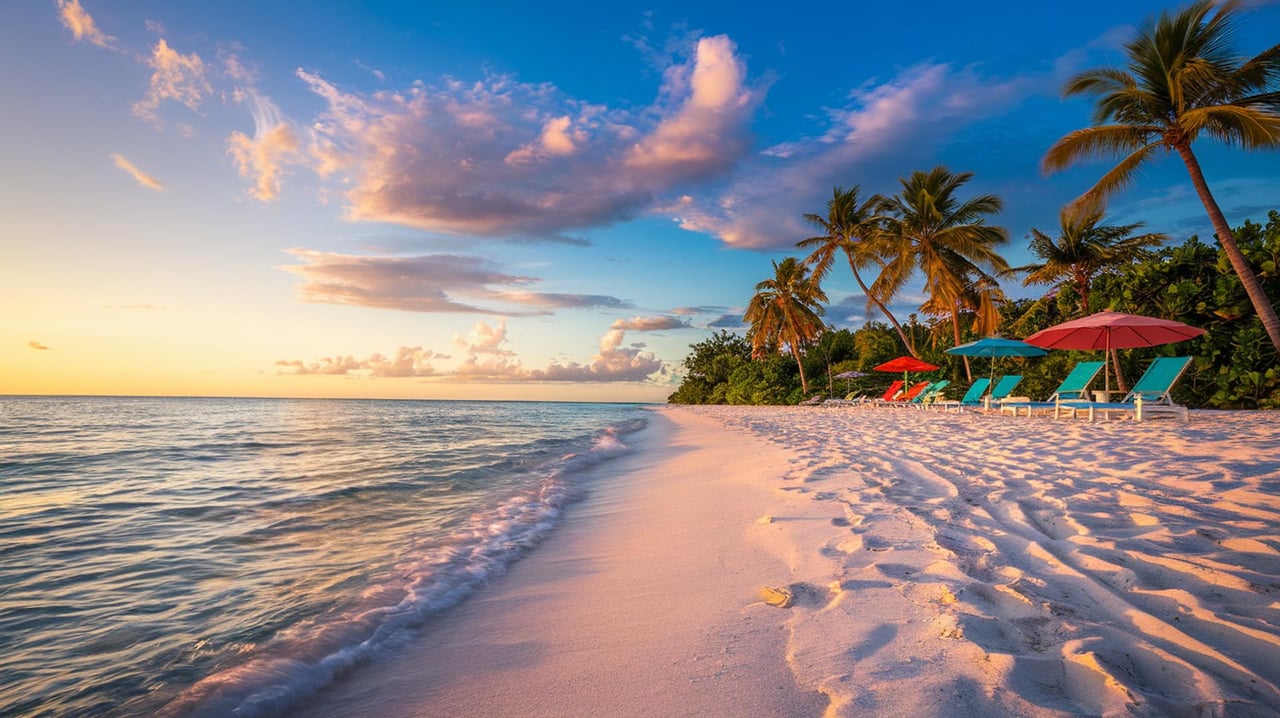
Beaches are close enough for spontaneous trips. Lido Key and St. Armands are the nearest Gulf options, and Siesta Key is a common day‑trip. Depending on traffic, you can often reach beaches within about 10 to 25 minutes, and seasonal trolleys serve several barrier islands through Breeze Transit.
Easy ways to enjoy the water
- Book a sunset or dolphin cruise from the marina.
- Kayak or paddleboard from designated launch points at The Bay.
- Plan a lunch on the harbor, then walk home along the waterfront.
What condo living looks like
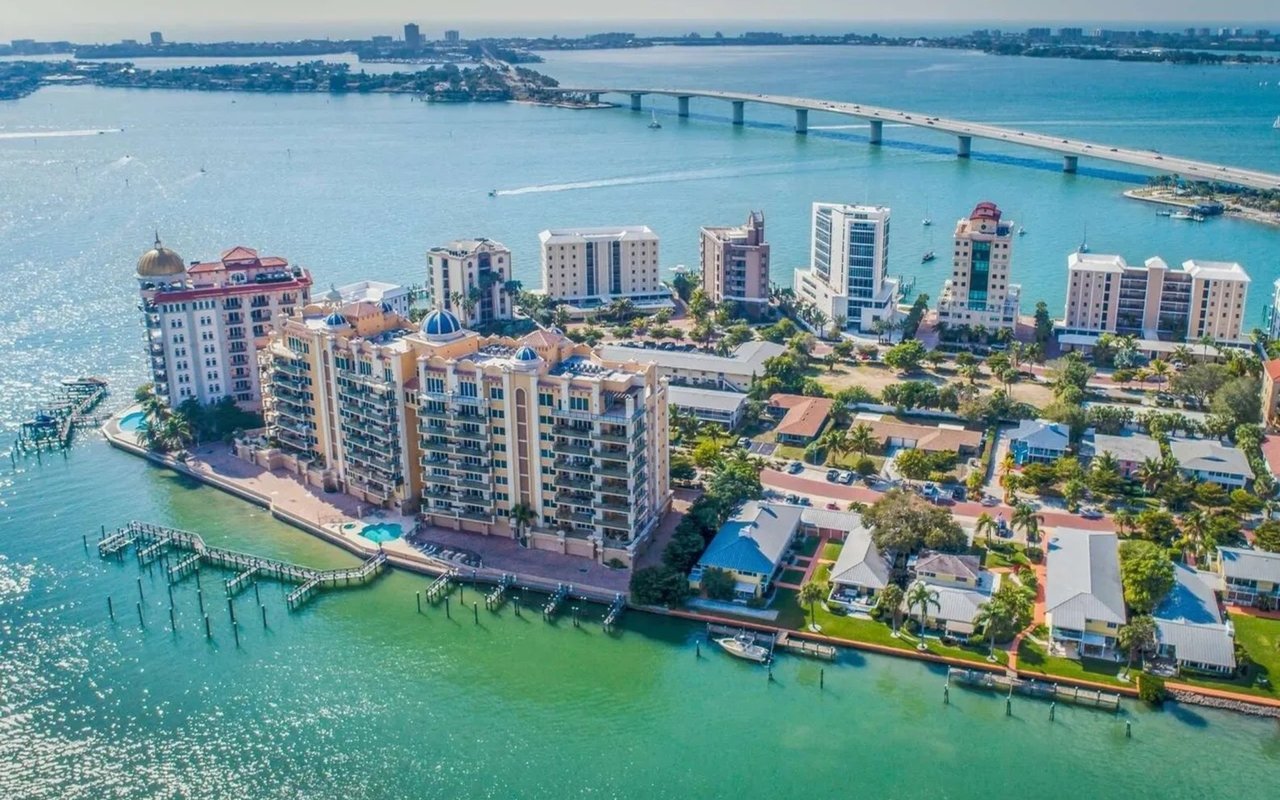
Full‑service bayfront towers
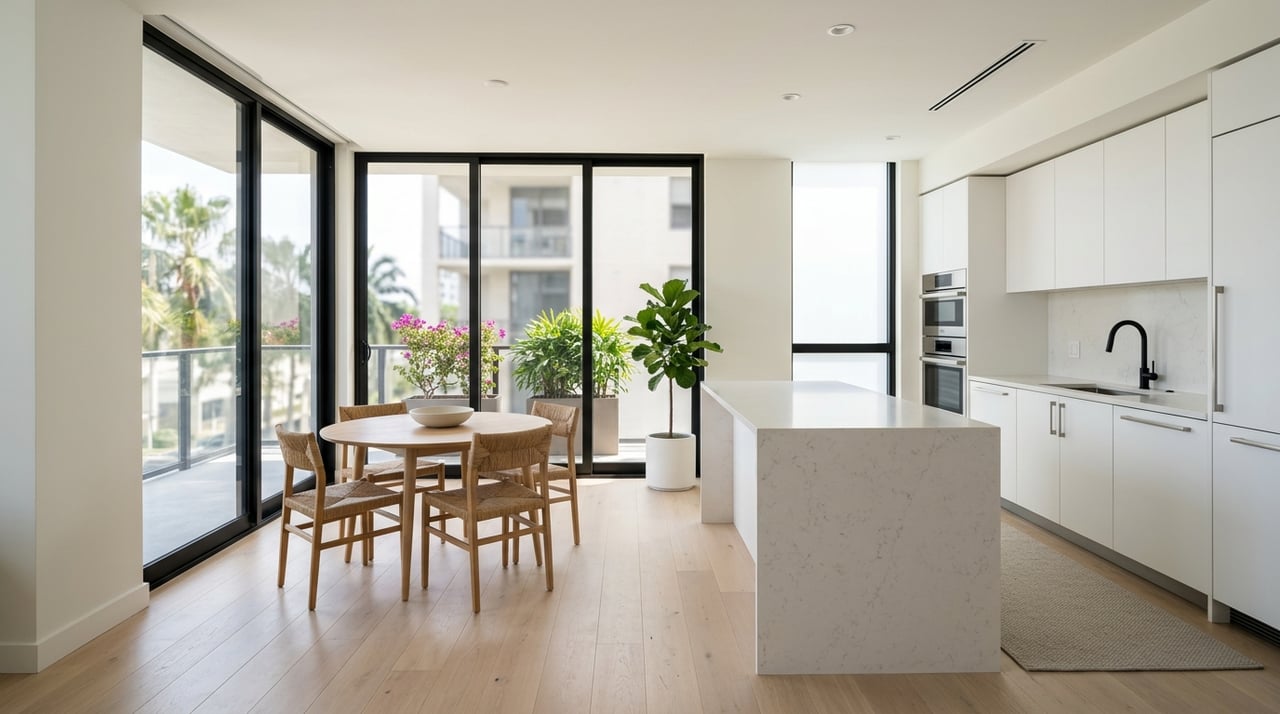
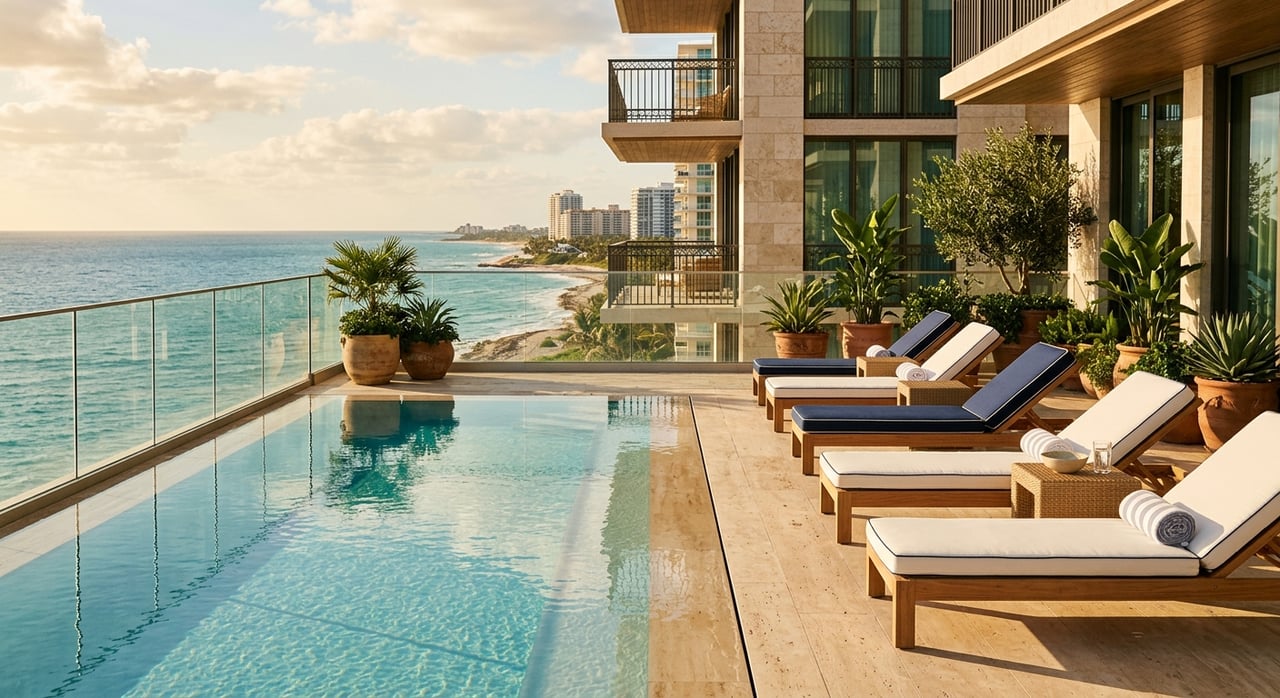
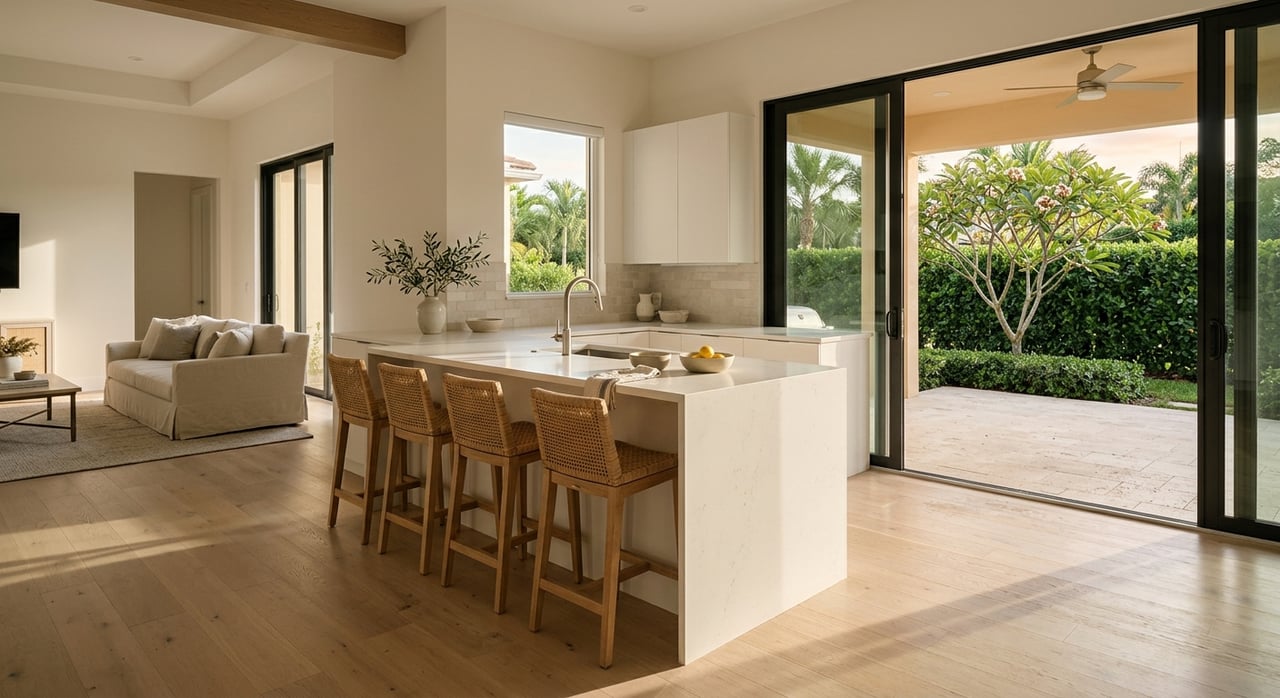
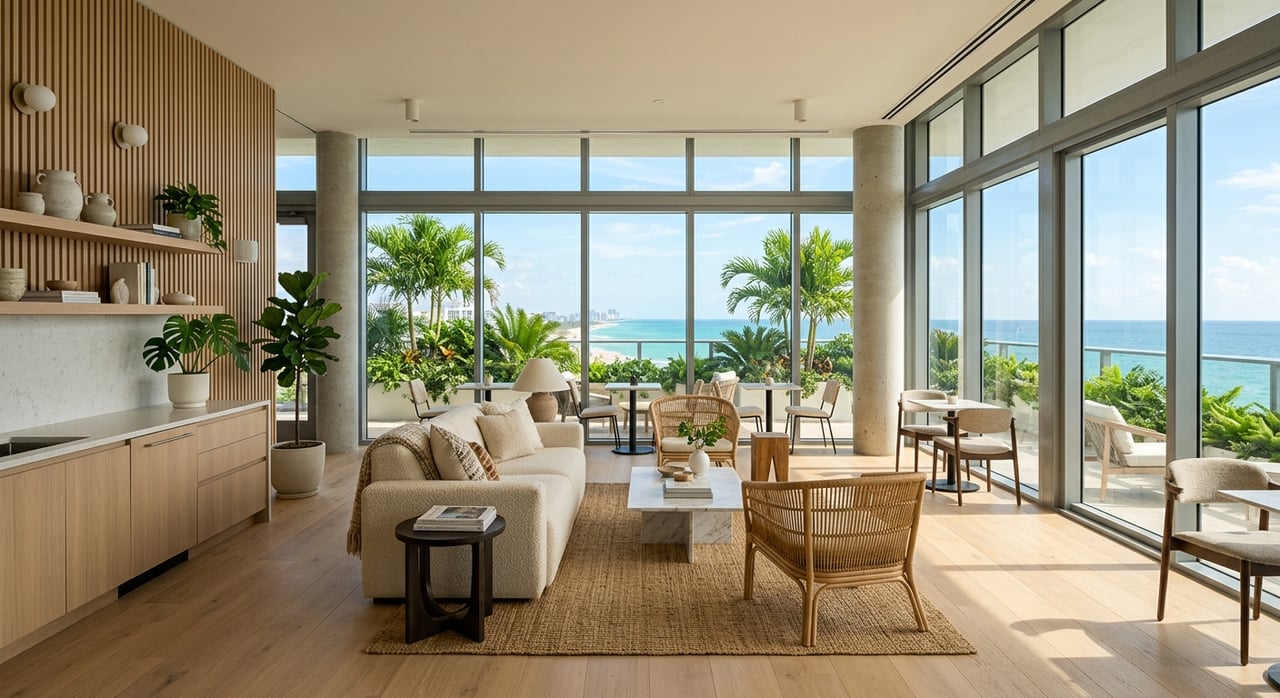
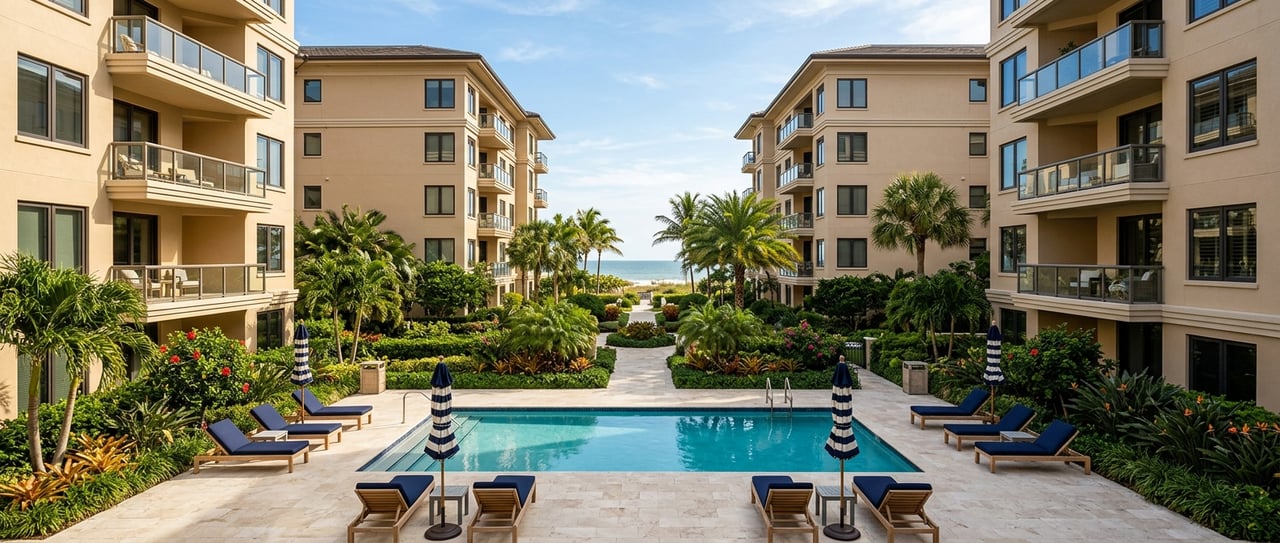
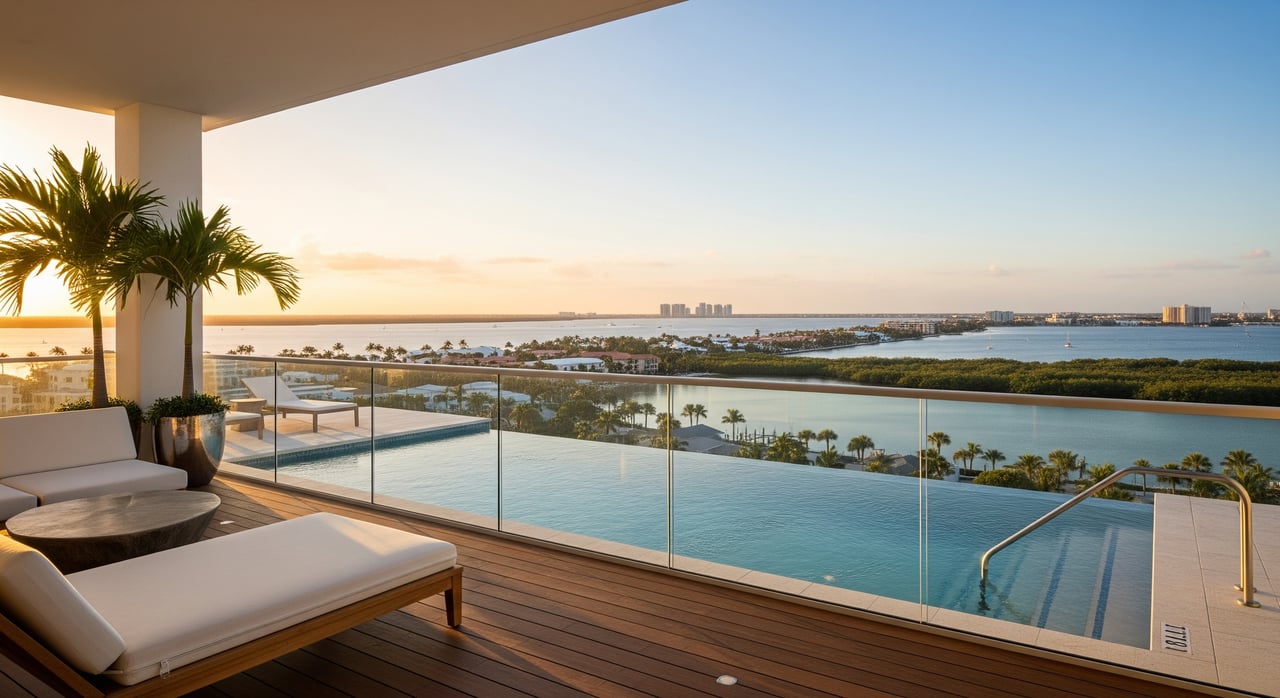
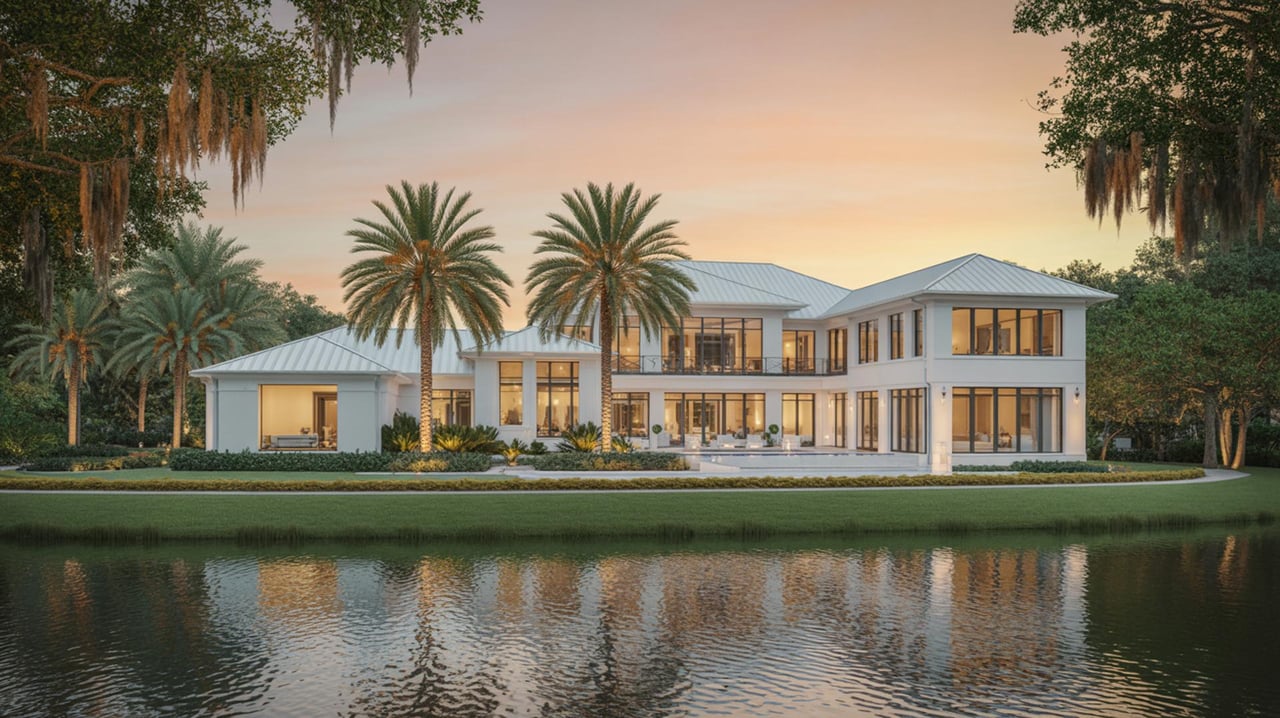
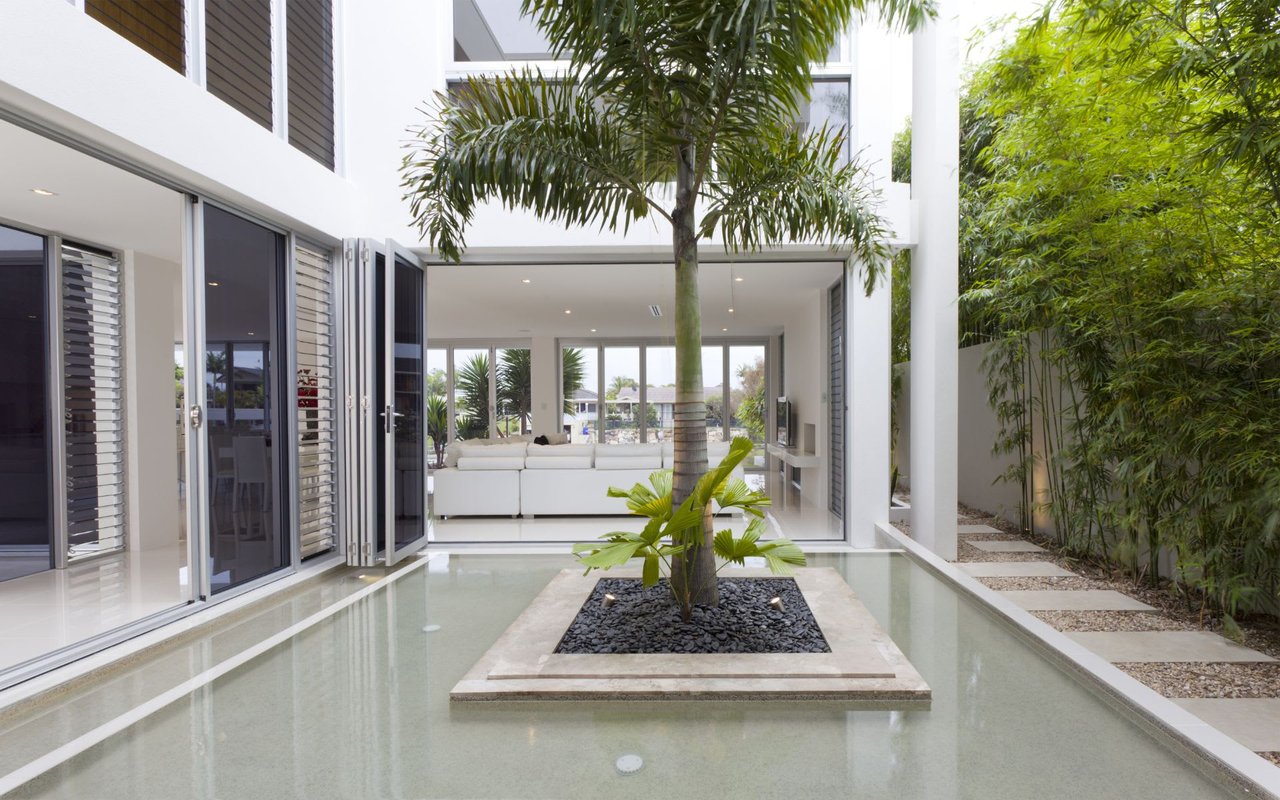
Newer luxury high‑rises offer a resort‑style experience. You will often find 24/7 concierge or valet, club lounges, fitness and wellness spaces, resort pools, and guest suites. These conveniences come with higher monthly assessments that typically include building insurance, exterior maintenance, and common‑area utilities. Expect professional staffing, polished common areas, and a turnkey feel.
Boutique and mid‑rise buildings
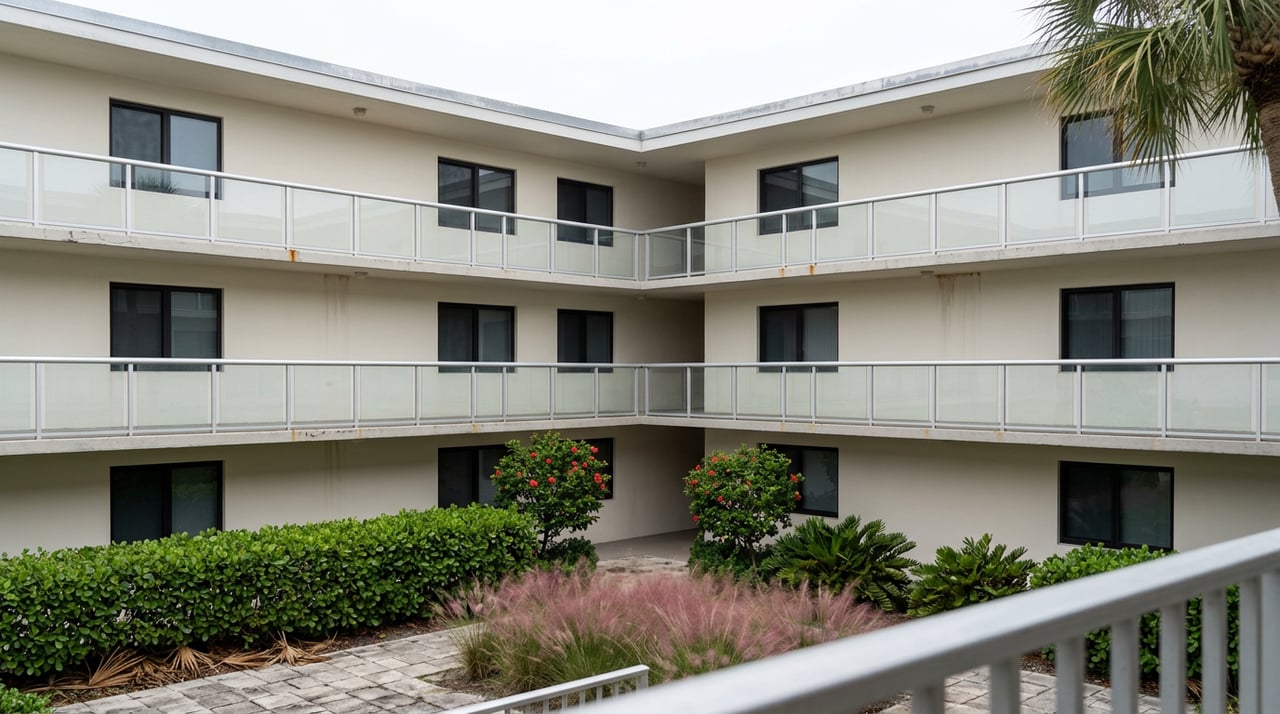
Smaller buildings trade grand lobbies for a more intimate scale. You might see a fitness room, a pool, and a social room, but fewer on‑site staff. For many buyers, the appeal is a quieter rhythm, manageable monthly fees, and close proximity to Main Street or the bayfront without paying for amenities they will not use.
Older bayfront classics
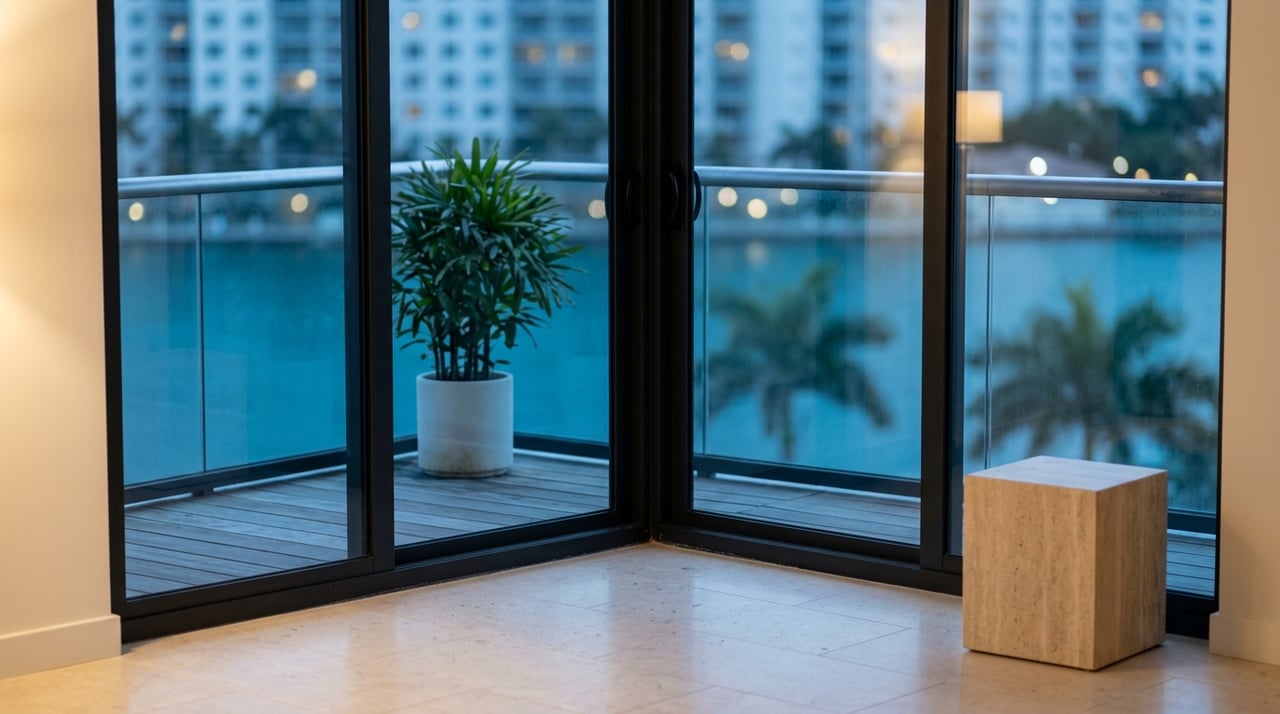
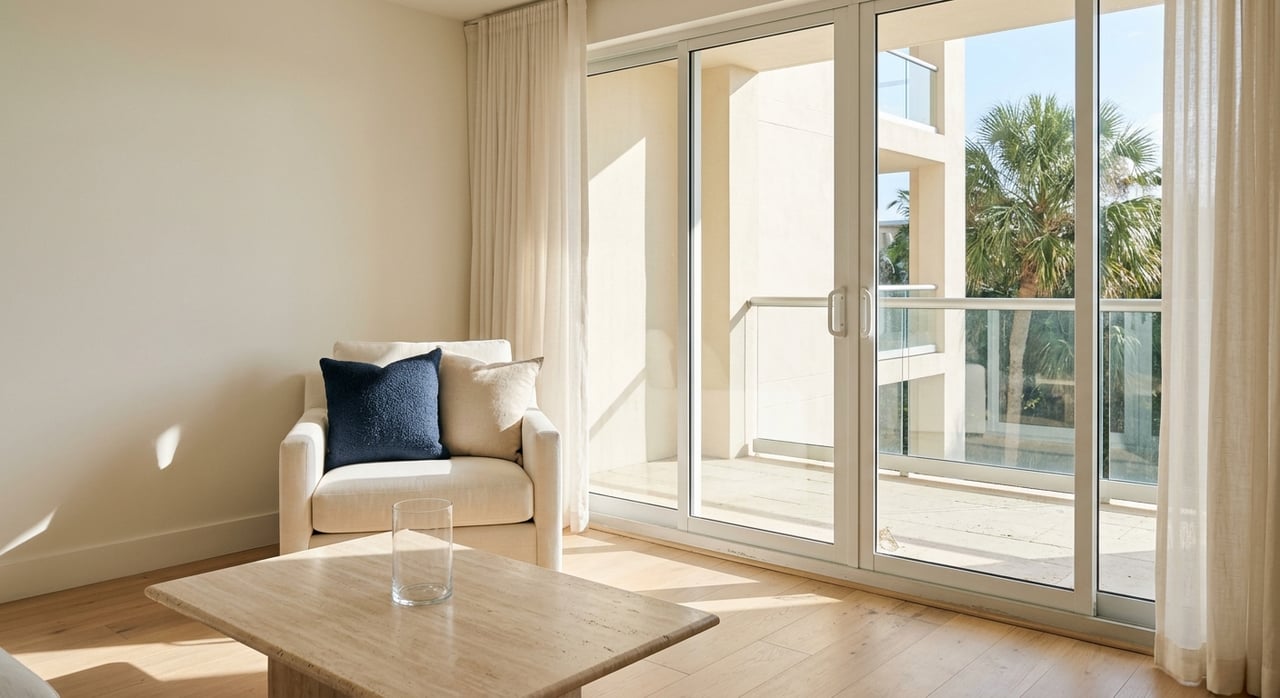
Some established buildings from the 1970s to 1990s sit on prime waterfront sites. Amenities are often simpler, and a few properties have private sandy areas or beach‑style access. These communities can feel residential and understated, with floor plans that favor generous balconies and direct water views.
Everyday ownership realities
- Monthly HOA fees vary widely by building and service level. Many include water, sewer, trash, exterior maintenance, and reserves. Always confirm details in the association documents.
- Parking is commonly covered and assigned, but policies differ. Visitor and street parking can be limited in the core.
- Rental rules vary and may include minimum rental terms and approvals. If you plan to rent seasonally, review the specific condo covenants early.
- Pet rules and storage options differ by building. Some newer towers offer dog facilities and kayak racks, though these features are not universal.
Daily tradeoffs to consider
- Walkability vs. space: You gain short walks to dining, culture, and parks, but you may trade some interior space compared with suburban homes.
- Seasonality and activity: Downtown has steady energy with busier winter seasons. Islands have their own peaks tied to beach crowds.
- Parking and storage: Condos centralize maintenance and exterior costs under the HOA, while storage and guest parking can be tighter.
- Insurance and risk: Waterfront and near‑bay addresses have flood and wind exposures that affect insurance. Review FEMA flood zones and any mitigation work for specific buildings and units.
A day in the life
- Morning: Coffee at a local café, quick pharmacy run, and a bayfront walk. On Saturdays, swing by the farmers market for produce and a pastry.
- Midday: Fitness class in the Rosemary District, lunch with friends, or a quick stop at the library or a gallery.
- Evening: Dinner downtown, then a performance at the Opera House or a touring act at Van Wezel. Finish with a calm walk along the water.
- Weekend: Charter a boat from Marina Jack or plan a beach morning on Lido. Meet neighbors at a free concert or yoga class at The Bay.
Is downtown Sarasota right for you?
You might be a match if you want low‑maintenance living with walkable convenience, love the arts, and plan to use the waterfront often. You enjoy the idea of stepping out for dinner or a show without getting in the car. You prefer an HOA to handle exterior upkeep and value modern amenities or an intimate, boutique feel over a large yard.
If you want more space for hobbies, frequent guests who need ample parking, or a very quiet setting, explore suburban neighborhoods or the barrier islands and weigh the different lifestyle benefits.
Ready to compare buildings, refine your wish list, and tour the right addresses? Reach out to Shane Lewis for local guidance, building‑by‑building insights, and a smooth path from first look to closing.
FAQs
How walkable is daily life in downtown Sarasota condos?
- The city center is rated Very Walkable, with dining, shops, and services reachable on foot for many residents. Check routes using the Sarasota Walk Score.
Do I need a car if I live downtown?
- You can walk or bike for many errands and nights out, but a car or rideshare helps for beaches and bigger stores; Breeze Transit also serves downtown and island trolleys.
What boating options will I have without a private slip?
- Marina Jack offers dining, sightseeing and sunset cruises, and access to private charters, making the water easy to enjoy even if your building lacks docks.
What parks and green space are near downtown condos?
- The Bay provides daily waterfront access with free events, fitness classes, and community activities, adding a public alternative to private condo amenities.
What should I know about HOA fees and rules?
- Fees vary by building and service level and often cover insurance and exterior upkeep; rental, pet, and parking policies differ, so review association documents early.
Where is the public Mote aquarium located now?
- The large public aquarium has moved to a new mainland facility called Mote SEA near UTC and Nathan Benderson Park, while research remains on City Island.