Are HOA fees in newer Palmer Ranch communities as straightforward as they look on a listing? You want a clear picture of your monthly costs before you fall in love with a home. In this guide, you’ll learn how fees are set, what they cover, what Florida law lets you review, and how to spot red flags before you sign. Let’s dive in.
Palmer Ranch at a glance
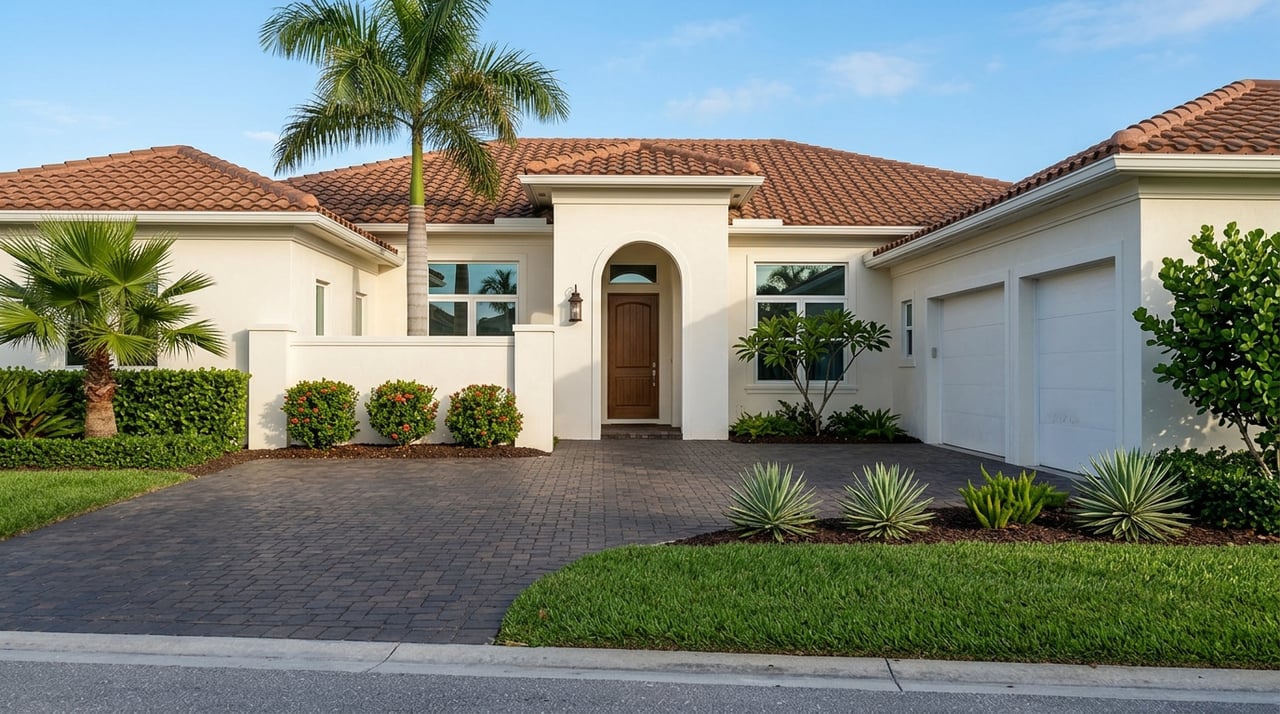
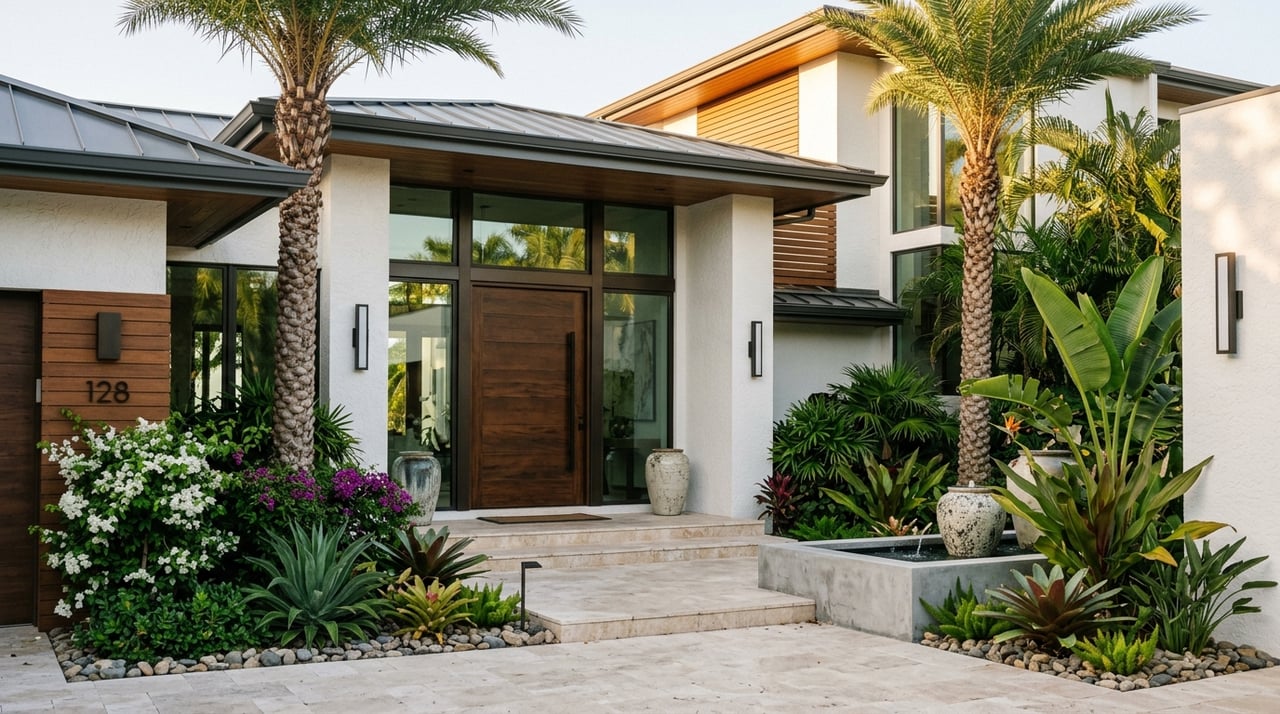
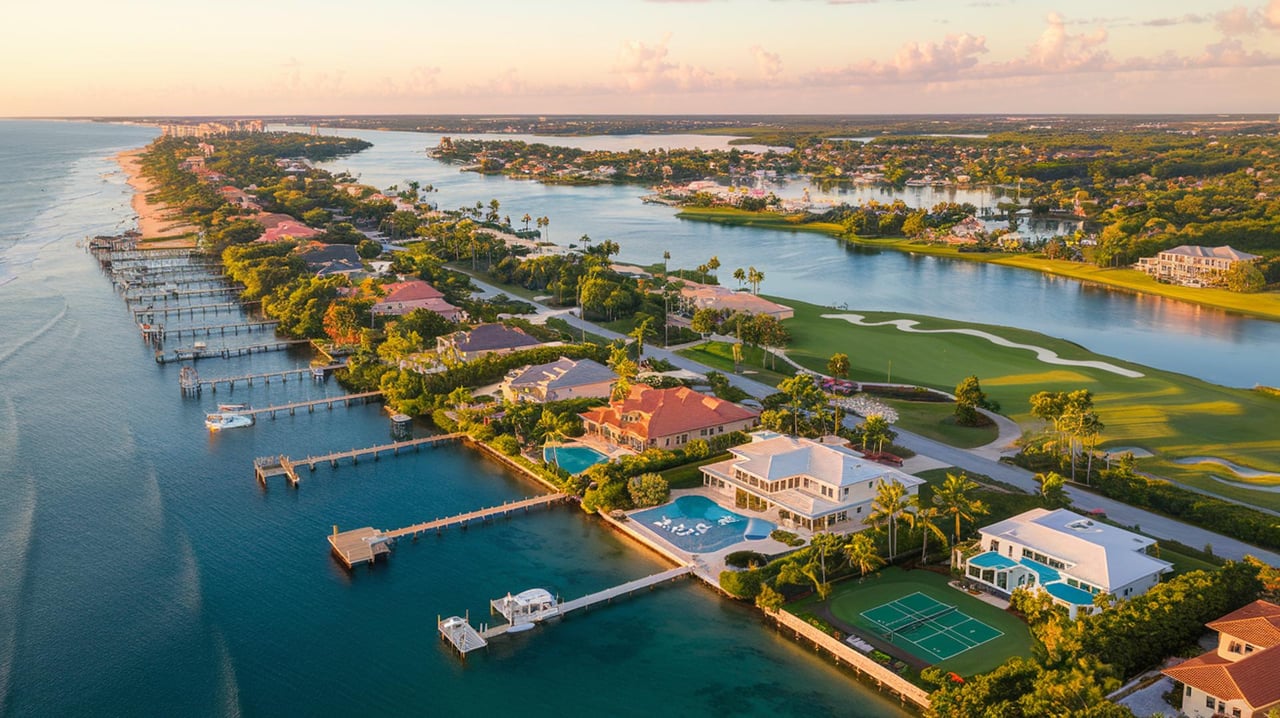
Palmer Ranch is a large, master‑planned area in south Sarasota with many distinct neighborhoods and a master association that serves thousands of residents. The Palmer Ranch Master Association describes the area as a collection of subdivisions with a shared framework for quality and maintenance. You will see a mix of condos, villas, and single‑family homes. That mix matters because fees vary by home type and by the level of services and amenities.
Typical fee ranges in newer communities
Newer Palmer Ranch neighborhoods fall into a few common bands:
- Light‑amenity, maintenance‑focused sections: often under $300 per month, sometimes billed quarterly.
- Resort‑style, mid‑range communities: commonly about $300 to $500 per month.
- Higher‑amenity, large communities: about $400 to $600 per month or more, especially where there are extensive facilities and on‑site staff. Community materials for VillageWalk illustrate this level of services and programming. You can explore the community’s scope on VillageWalk’s official site.
Fees can differ inside the same neighborhood by product type. Condos may include more exterior items than a detached home, and billing can be monthly or quarterly. Always confirm the current budget and payment frequency before you finalize an offer.
What your HOA fees cover
Understanding the budget tells you what you are really buying. Common line items include:
- Operating costs and routine maintenance, such as landscaping, pool care, and common‑area utilities. See a plain‑English overview of what HOA fees typically cover.
- Personnel and management for on‑site staff, security, and the professional management company. Larger amenity communities spend more on staffing and lifestyle programming. This guide to HOA fees explains the mix.
- Insurance for common elements and liability. Your lender will still require your own policy. Insurance can be a major driver of fee increases. Learn more in this overview of HOA fee components.
- Reserves for big‑ticket replacements like private roads, roofs on condo buildings, and clubhouse systems. Strong reserves reduce the risk of surprise assessments. See how a reserve study informs long‑term planning.
- Debt service or long‑term contracts, if the association financed a capital project or holds multi‑year vendor agreements. Here is a deeper breakdown of HOA budgets.
- Administrative, legal, and accounting costs. Florida law also sets financial reporting rules for HOAs, which influence transparency. Review statute 720.303.
Florida rules that protect you
Florida gives you specific rights to budget and fee information. Use them.
Disclosure summary before you sign
Sellers must provide a disclosure summary about mandatory HOA membership. If you do not receive it before you sign, you may have a limited right to cancel. See Florida Statute 720.401.
Access to budgets and financials
Associations must prepare an annual budget and provide members a copy or notice of availability. Financial reporting is required, and the level of reporting depends on revenue. See your rights in Florida Statute 720.303.
Estoppel certificates at resale
During a sale, the HOA must issue an estoppel certificate that states assessments owed, fees due at closing, and other obligations. The law sets timelines and fee caps. Learn the rules in Florida Statute 720.30851.
Transfer and capital contribution fees
HOA transfer fees and capital contributions are governed by the association’s documents. They can vary by community, unlike some condominium caps. See a practical overview from Florida Realtors.
CDD fees: verify for each property
Community Development District fees act like a line item on your tax bill. In Palmer Ranch, many neighborhoods do not carry a CDD, but status is property‑specific. Do not assume. Confirm CDD presence and amount by checking the property’s tax bill and asking the association or management company.
Due‑diligence checklist for buyers
Use this simple list to confirm what you will pay and where the risks are.
Documents to request right away
- The disclosure summary required by 720.401.
- Current year budget and the most recent financial statements. See access rules in 720.303.
- Reserve study or the date of the last study.
- Board meeting minutes from the past 12 to 24 months. Look for discussion of assessments, deferred maintenance, or litigation. Your right to official records is in 720.303.
- Insurance declarations showing what the master policy covers and where owner coverage begins.
- Estoppel certificate during the contract period, ordered by your title team, following 720.30851.
Financial red flags to watch
- Low or no reserves for assets the HOA must replace, like private roads or roofs. That raises special assessment risk. See why reserves matter in this reserve study explainer.
- Repeated special assessments or notes about deferred maintenance in minutes. Here’s a primer on what fees cover and why assessments happen.
- Pending litigation that could impact future costs. Access to official records is detailed in 720.303.
Smart timing and negotiation tips
- Make the required disclosure summary and HOA documents part of your offer conditions so you have time to review. See your rights under 720.401.
- Ask your title company to order the estoppel early so surprises do not delay closing. Timelines and fee caps are in 720.30851.
- Scan recent minutes for upcoming projects that may trigger near‑term fee increases or assessments.
Budget snapshots to make it real
These examples show how HOA fees can shape your annual budget. Always verify current numbers with the community.
- Example A: Modest villa with HOA about $260 per month. Annual HOA cost is roughly $3,120. Add property taxes and your insurance for a complete picture.
- Example B: Resort‑style single‑family home with HOA near $320 per month. Annual HOA cost is about $3,840. Some communities with restaurants or activity staff may have optional user fees.
- Example C: Larger amenity community with HOA around $400 to $600 per month. Annual HOA cost is about $4,800 to $7,200. This level often includes landscaping, private roads, multiple pools, and lifestyle staff. Confirm whether exterior insurance or utilities are included.
How to compare two HOAs quickly
Use this five‑point check to decide which community fits your budget and lifestyle:
- Compare payment frequency and total annual cost at today’s rates.
- List what is included: lawn care, exterior maintenance, cable, internet, or security.
- Note staffing levels and amenities you will use, not just what looks impressive.
- Check the reserve study date and current reserve balances.
- Review insurance line items and recent fee changes in the minutes.
When you are ready to refine your shortlist or verify a budget, reach out. Shane Lewis pairs local Palmer Ranch knowledge with a clear, data‑driven process to help you buy with confidence.
FAQs
What do HOA fees in newer Palmer Ranch communities usually include?
- Most budgets cover common‑area maintenance, landscaping, utilities for common spaces, management, insurance for shared elements, and reserves. Staffing and amenities raise costs. See this overview of typical HOA fee coverage.
How can I see an HOA’s budget before buying in Palmer Ranch?
- Florida law lets you request the annual budget and financial reports. Associations must maintain official records. Start with the seller’s disclosure summary and request documents under Florida Statute 720.303.
What is an estoppel certificate in a Florida HOA sale?
- It is the HOA’s written statement of assessments owed, fees due at closing, and other obligations. Timelines and fee caps are set in Florida Statute 720.30851.
Are CDD fees common in Palmer Ranch neighborhoods?
- Many neighborhoods in the area do not use a CDD, but status is property‑specific. Verify by checking the parcel’s tax bill and asking the association or management company.
How likely are HOA fee increases in Sarasota County HOAs?
- Boards adopt budgets annually and adjust for insurance, utilities, and capital needs. National reporting shows HOA fees rising in many markets. See this WSJ overview of HOA dues trends.
What documents should I review to avoid special assessments in a newer community?
- Ask for the reserve study, current reserve balances, recent board minutes, and details on pending projects or litigation. The records you can access are described in Florida Statute 720.303.