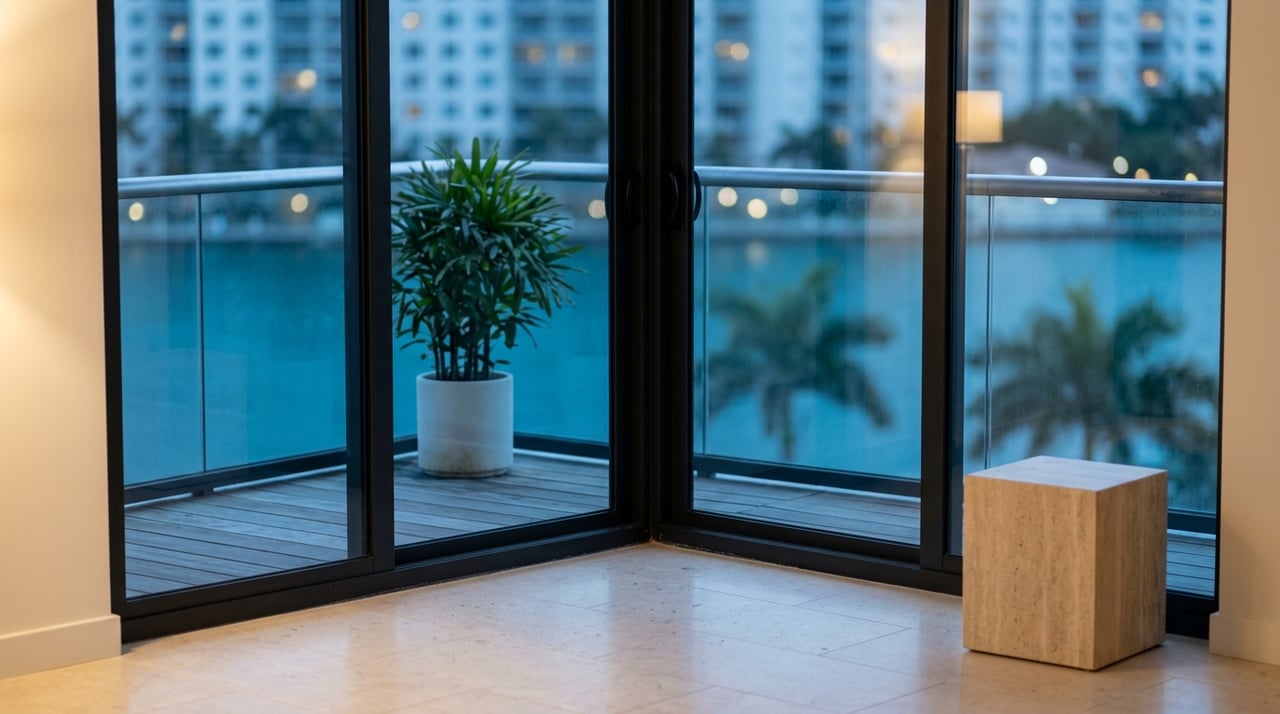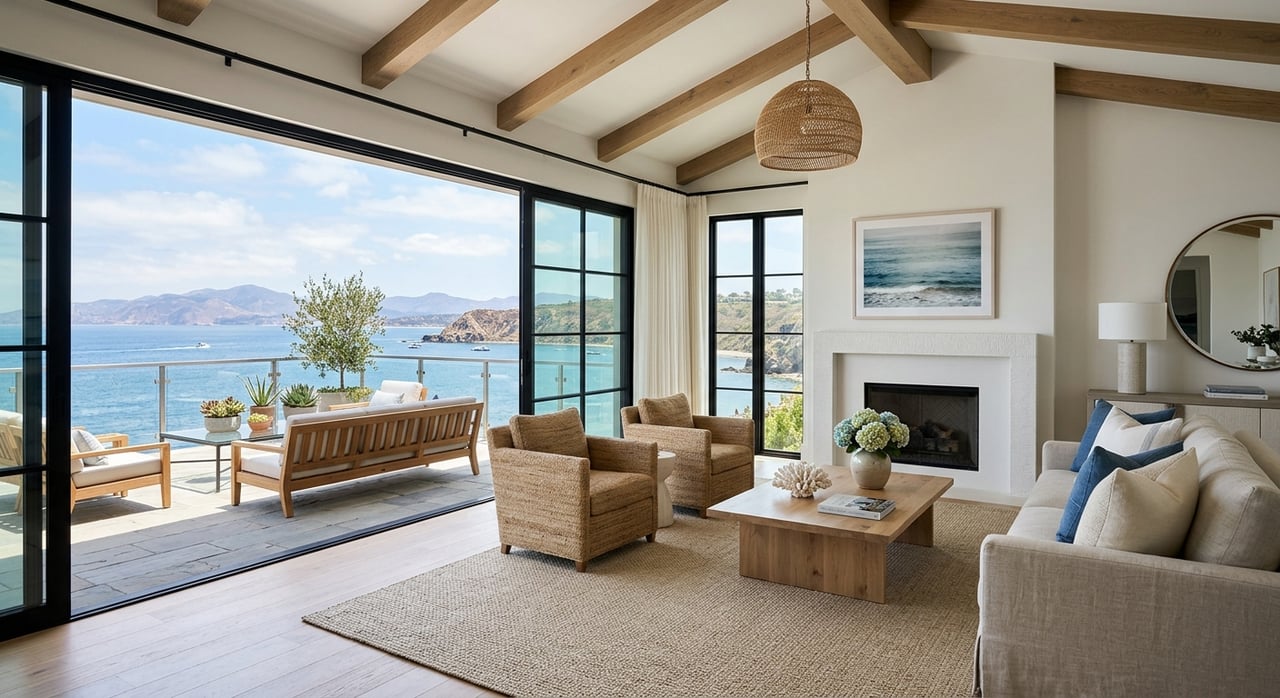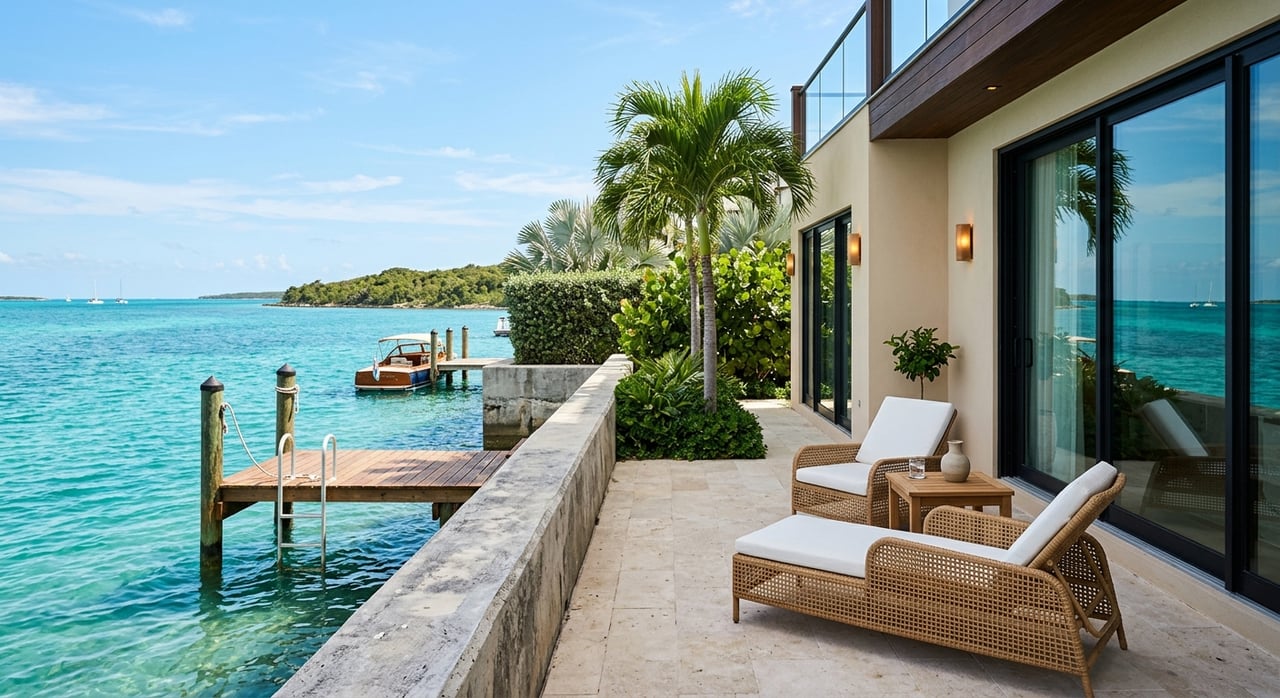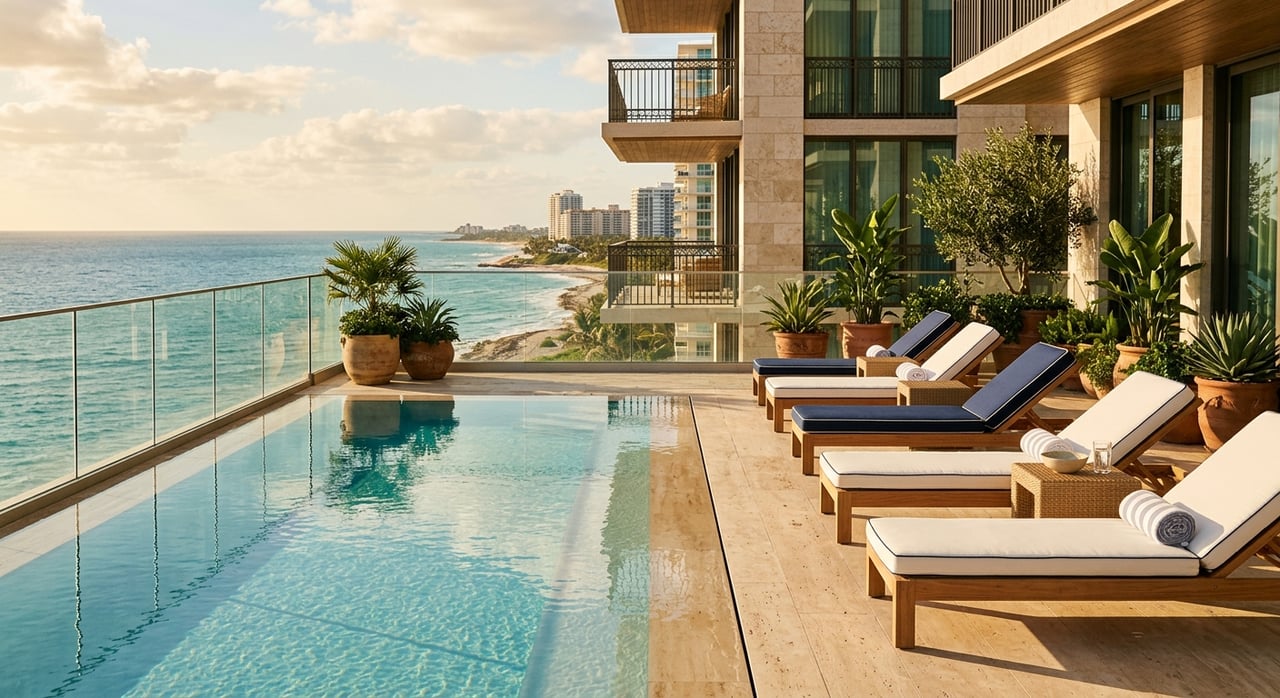
If you are torn between a Sarasota waterfront home and an inland community, you are not alone. Many buyers love the idea of beach access, bay views, and island living, but they also want an easy daily routine, flexible housing options, and fewer ownership surprises. The good news is that Sarasota offers both, and understanding the tradeoffs can help you choose with confidence. Let’s dive in.
What Waterfront and Inland Mean in Sarasota
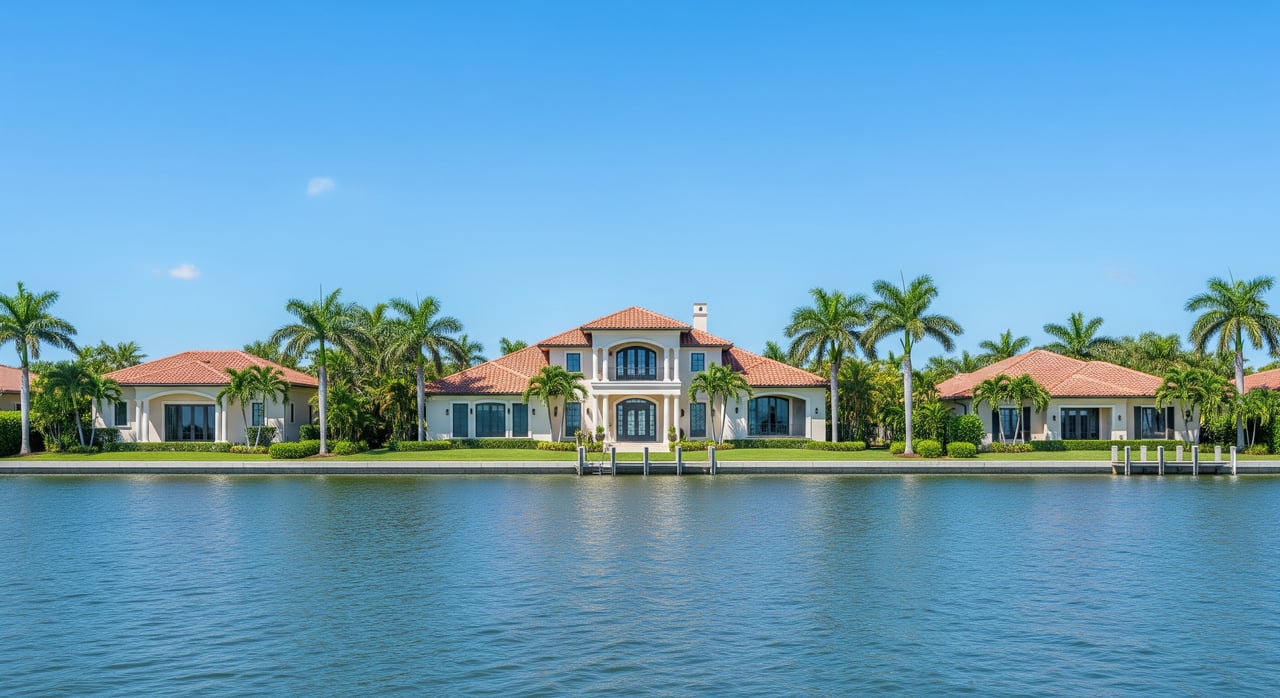
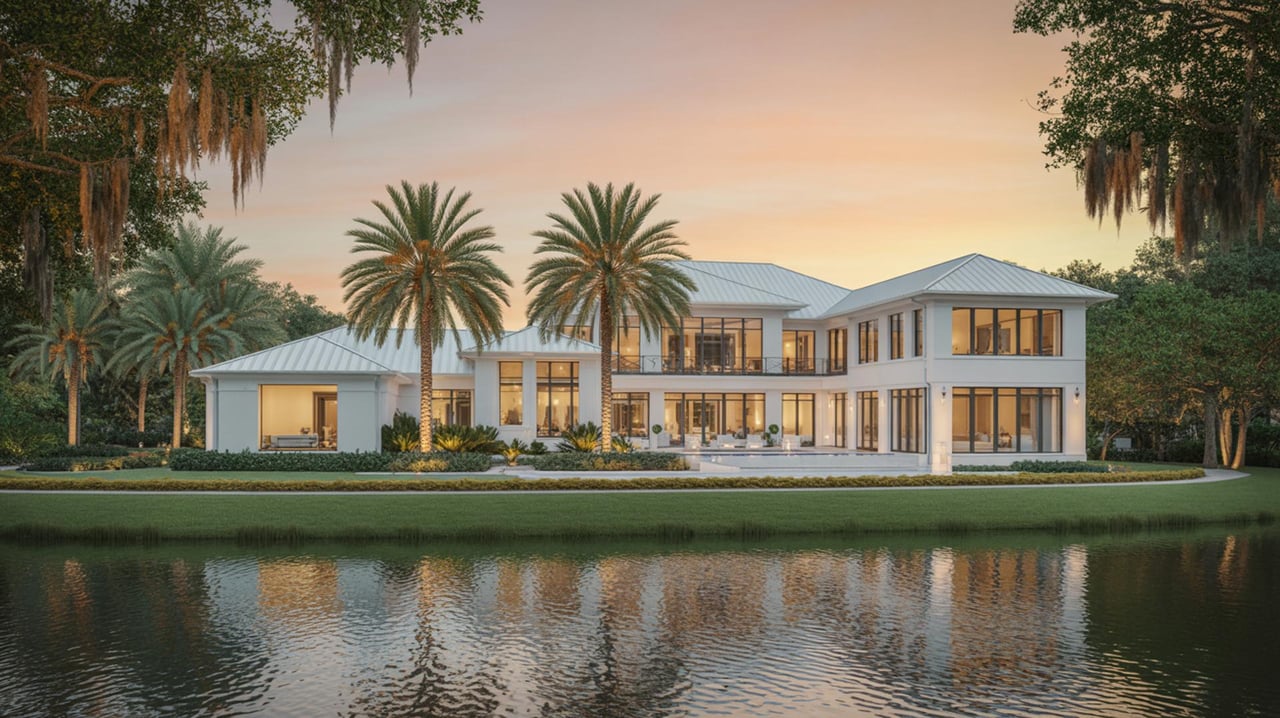
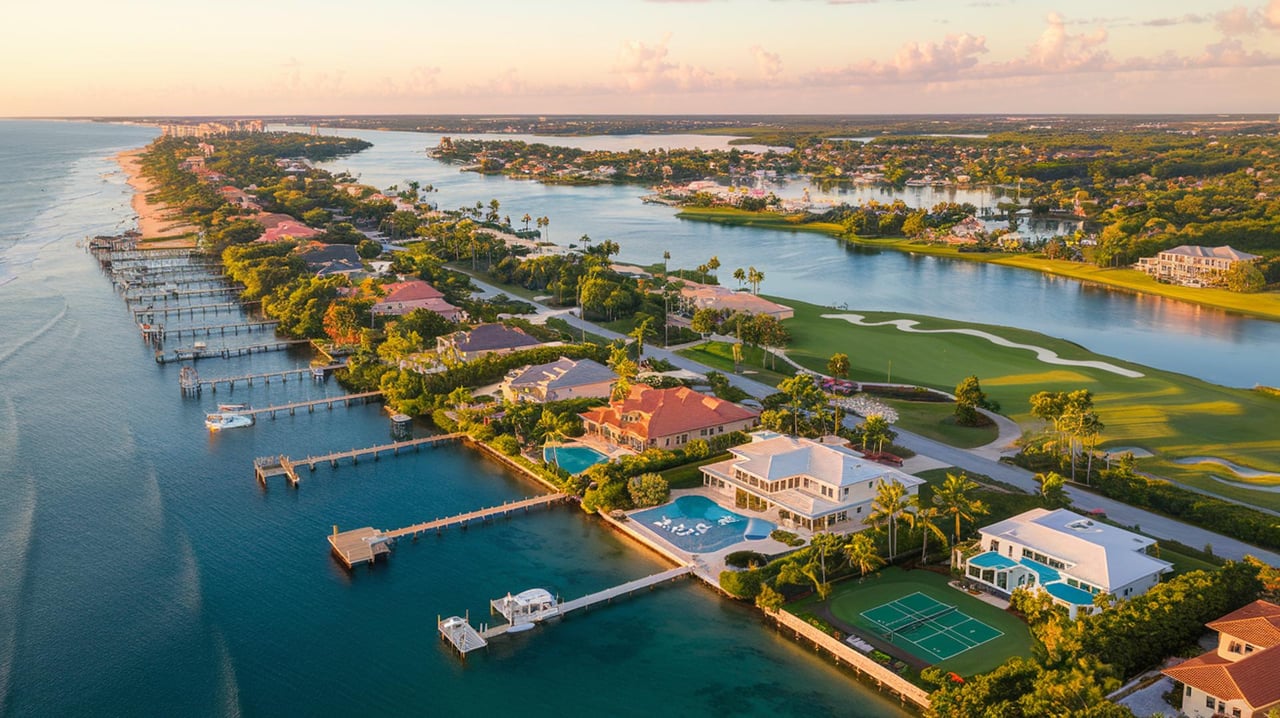
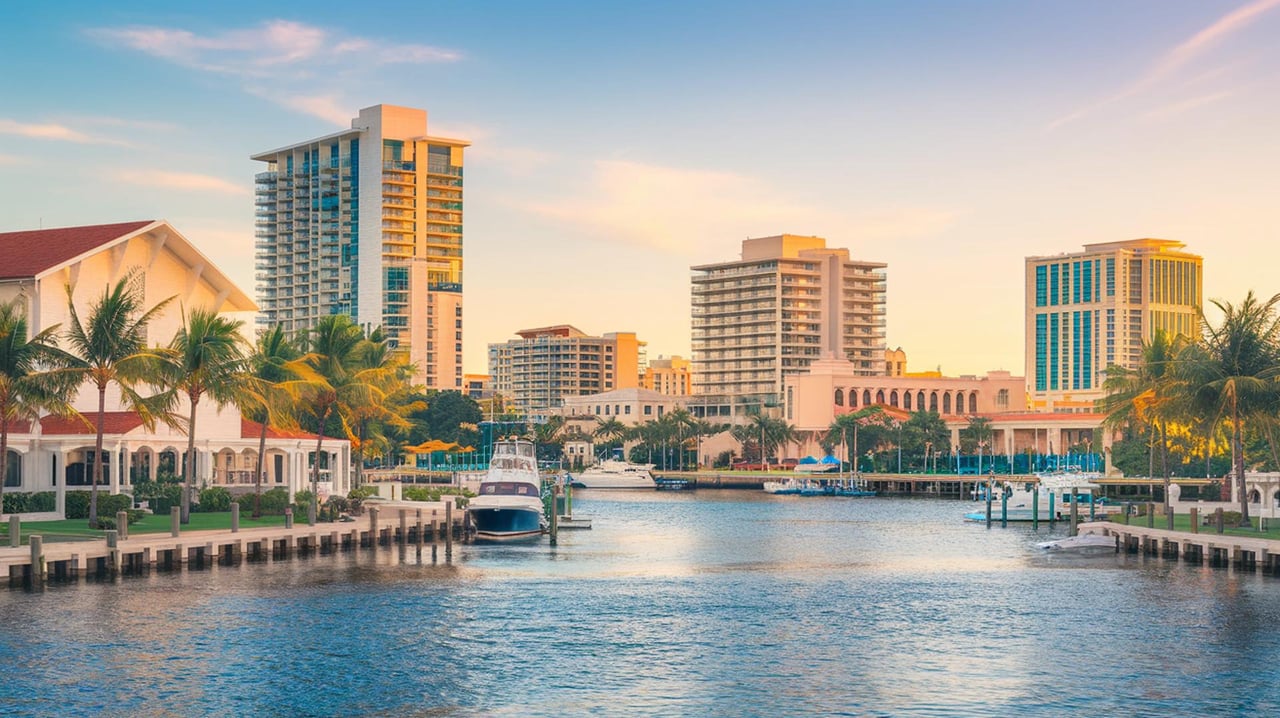
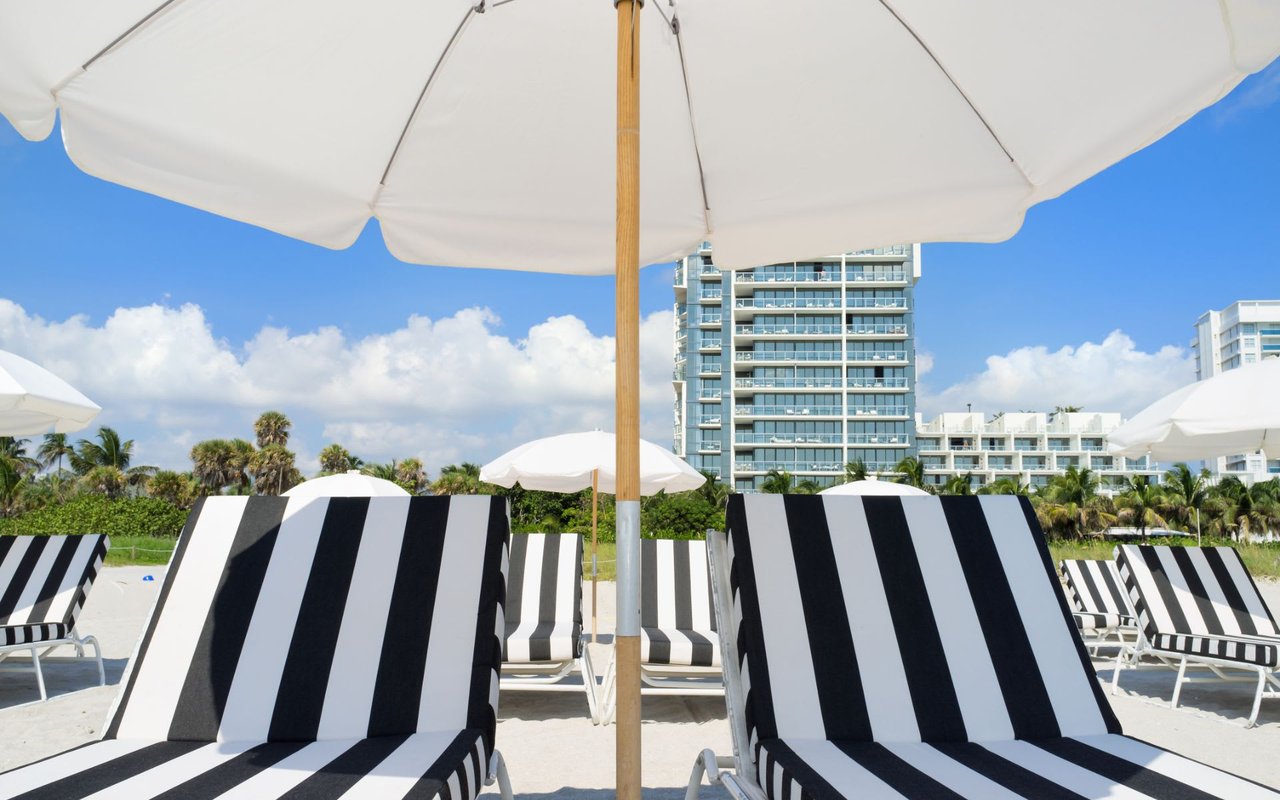
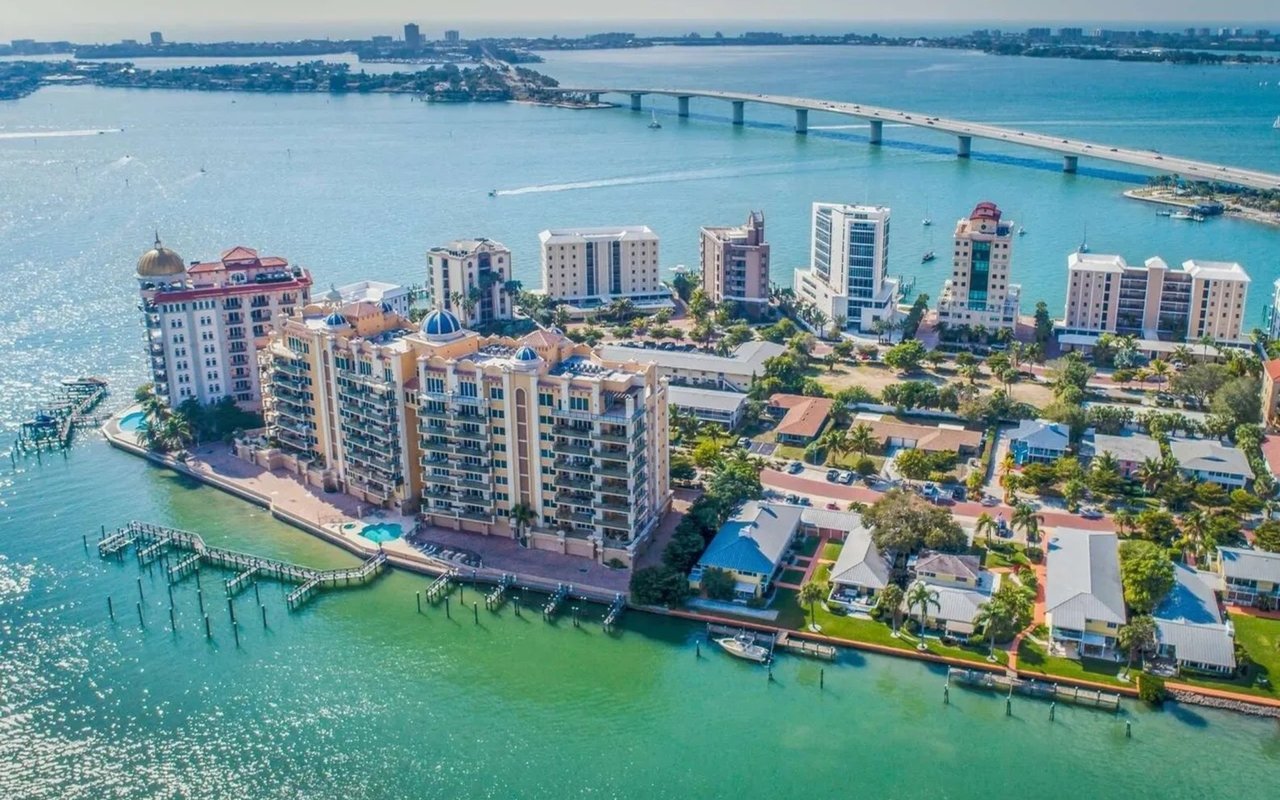
In Sarasota, “waterfront” often points buyers toward barrier-island and bayfront areas like Lido Key, St. Armands Key, Bird Key, parts of Siesta Key, and nearby Longboat Key. According to the City of Sarasota, these areas include a mix of single-family homes, multifamily housing, beaches, parks, conservation land, and in some locations hotels and resorts. That creates a setting that feels tied closely to the shoreline and everyday coastal access.
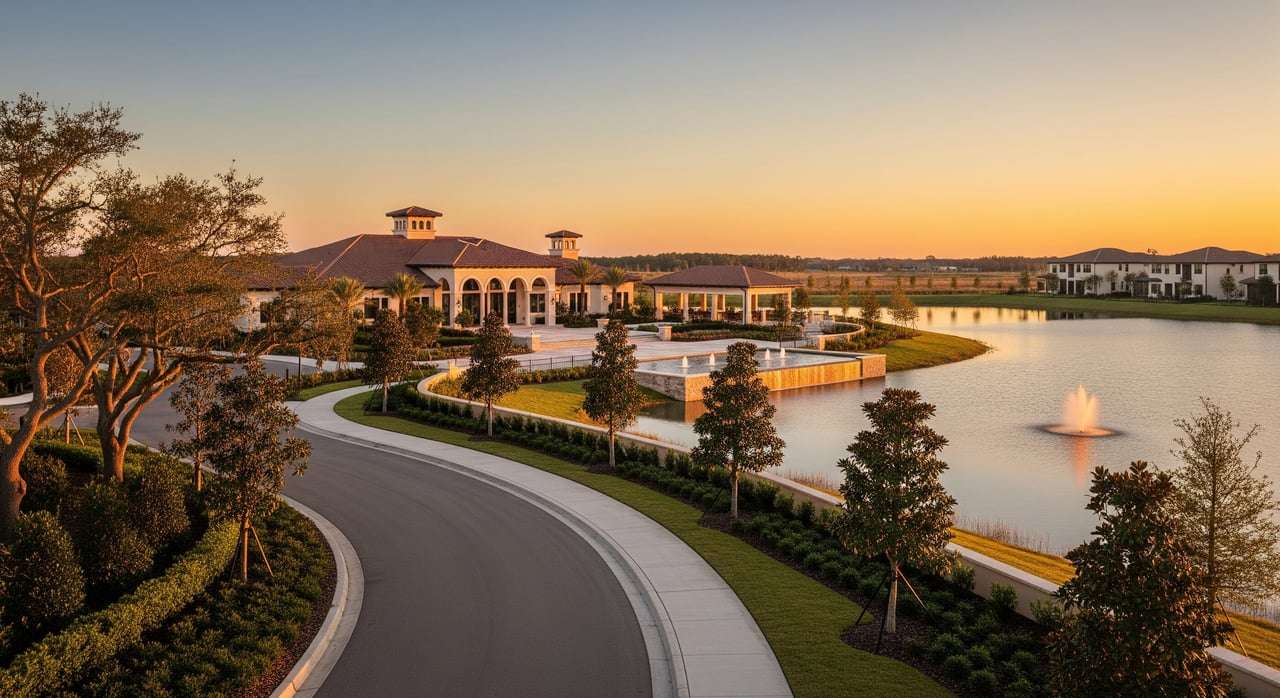
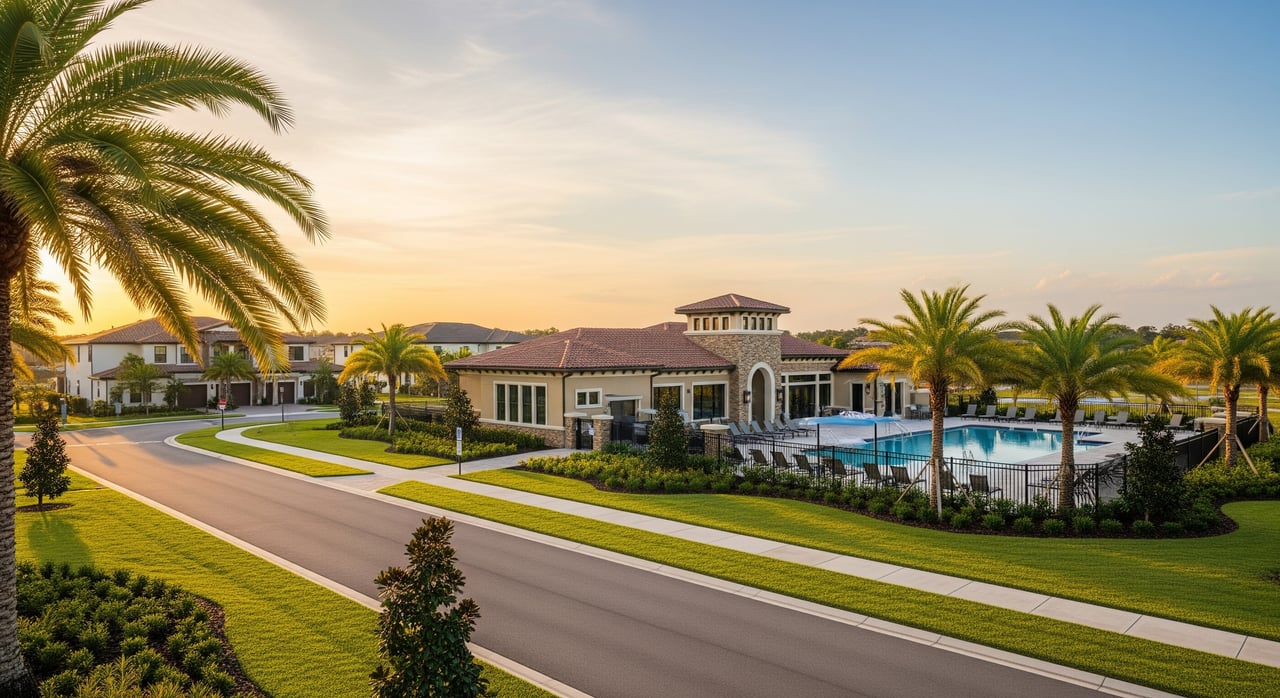
“Inland” usually refers to larger residential areas east or south of the barrier islands, especially communities like Palmer Ranch and Lakewood Ranch. Official community materials describe these areas as expansive master-planned settings with a wider range of housing, neighborhood amenities, trails, and strong road access. For many buyers, that means more choice in both home style and day-to-day logistics.
Waterfront Living in Sarasota
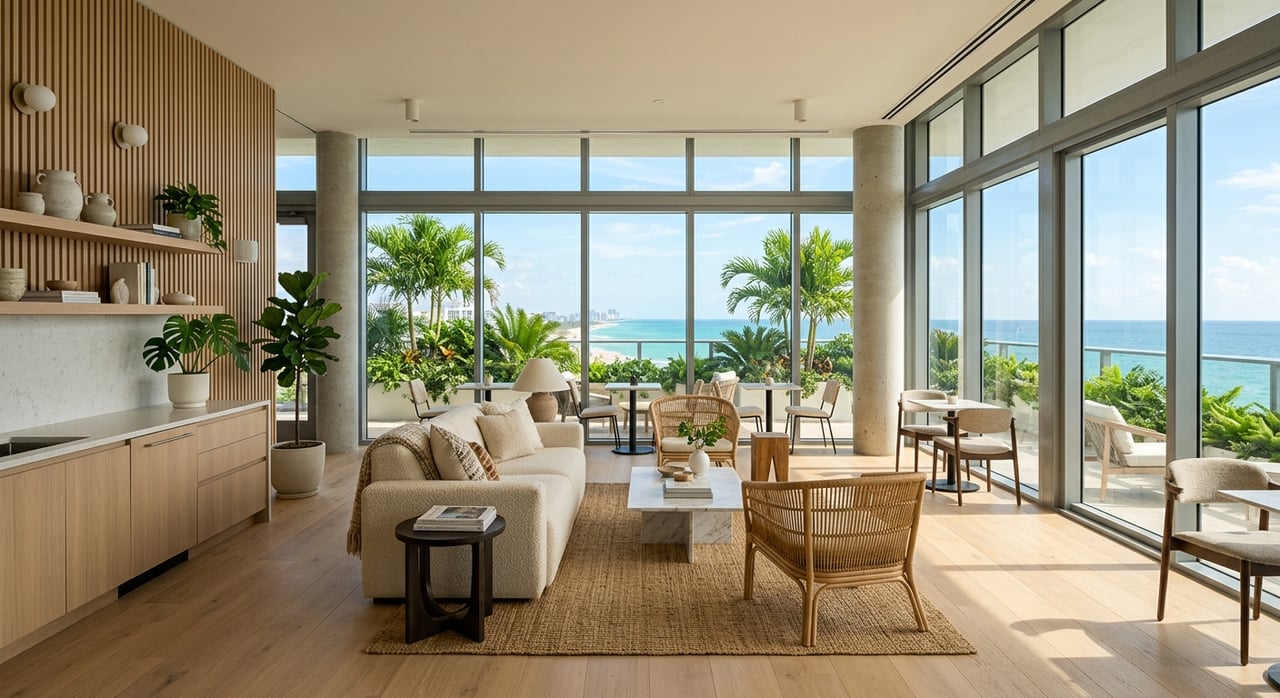
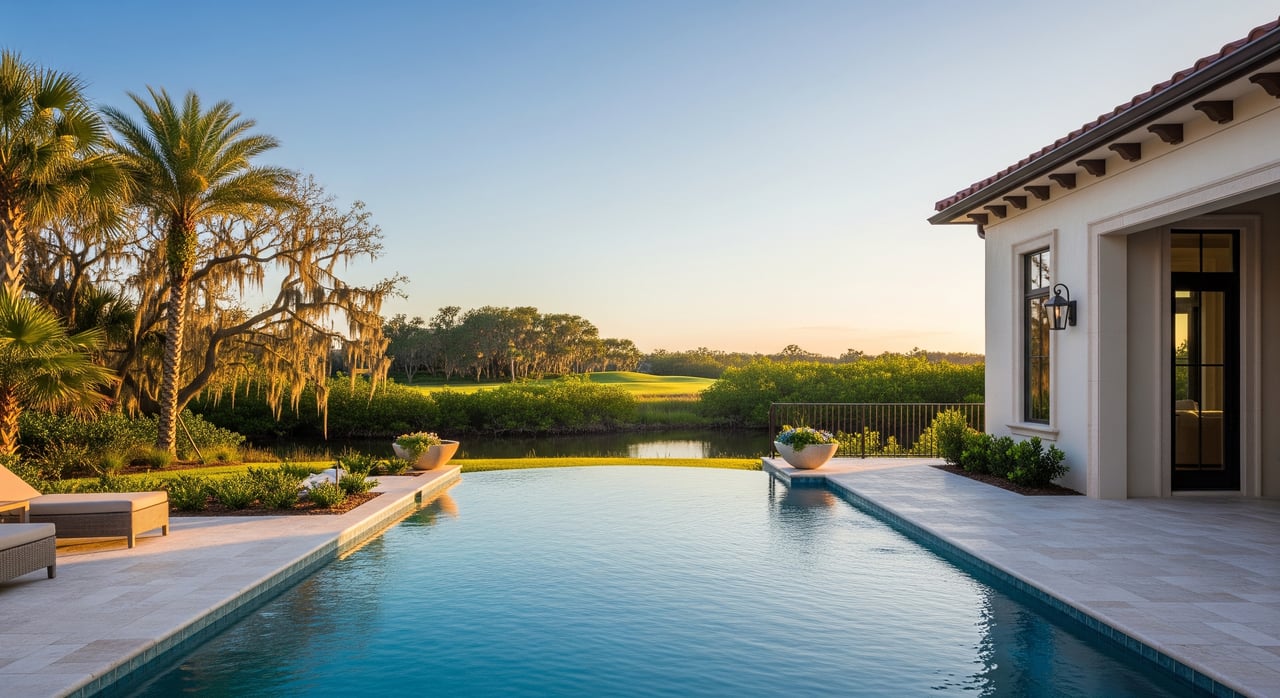
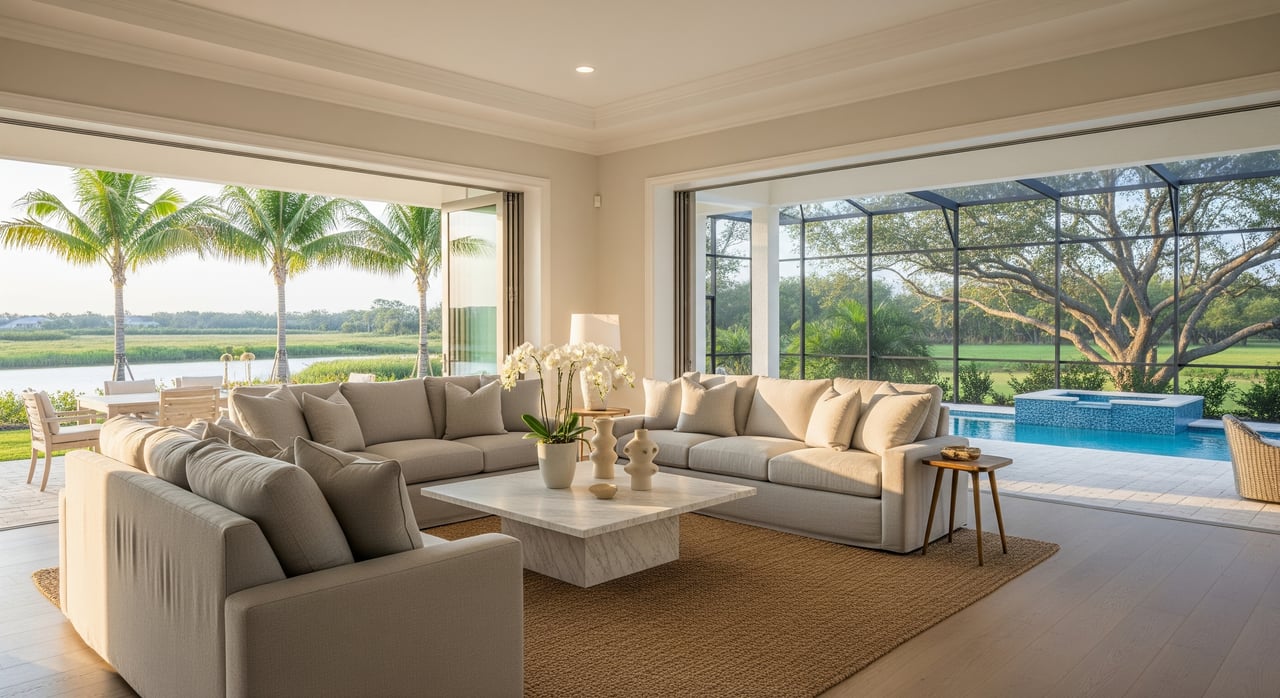
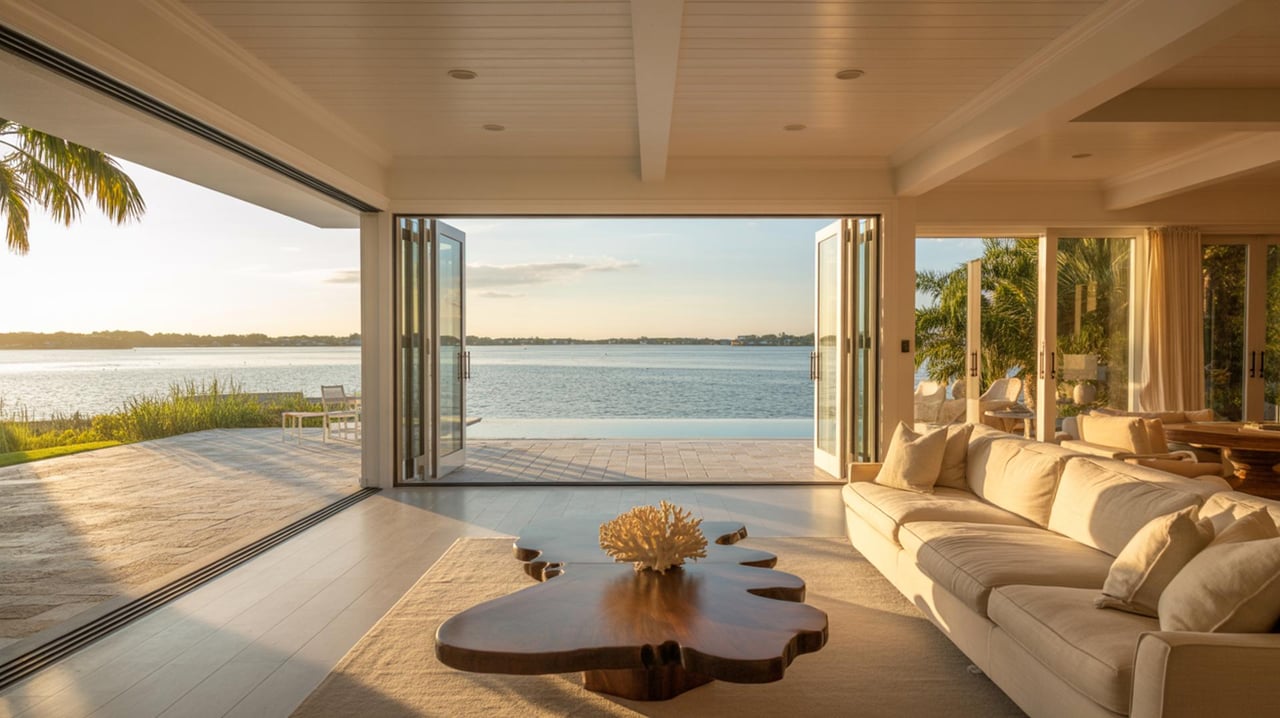
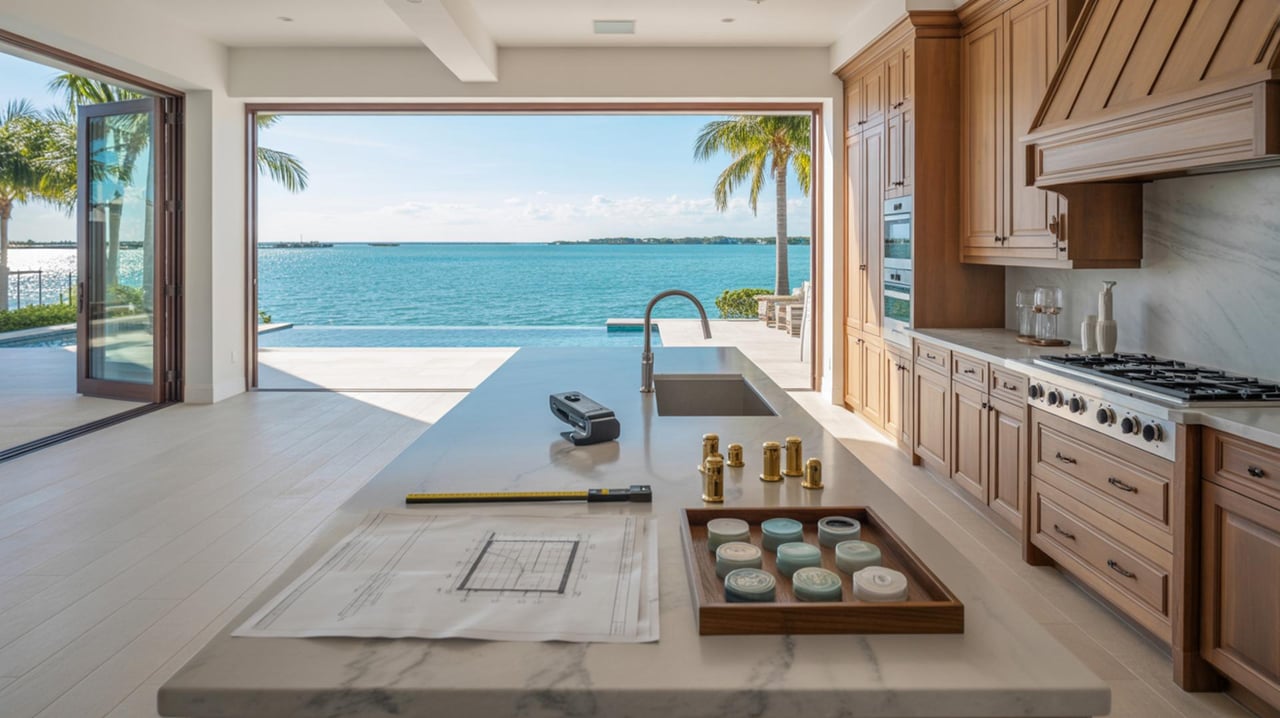
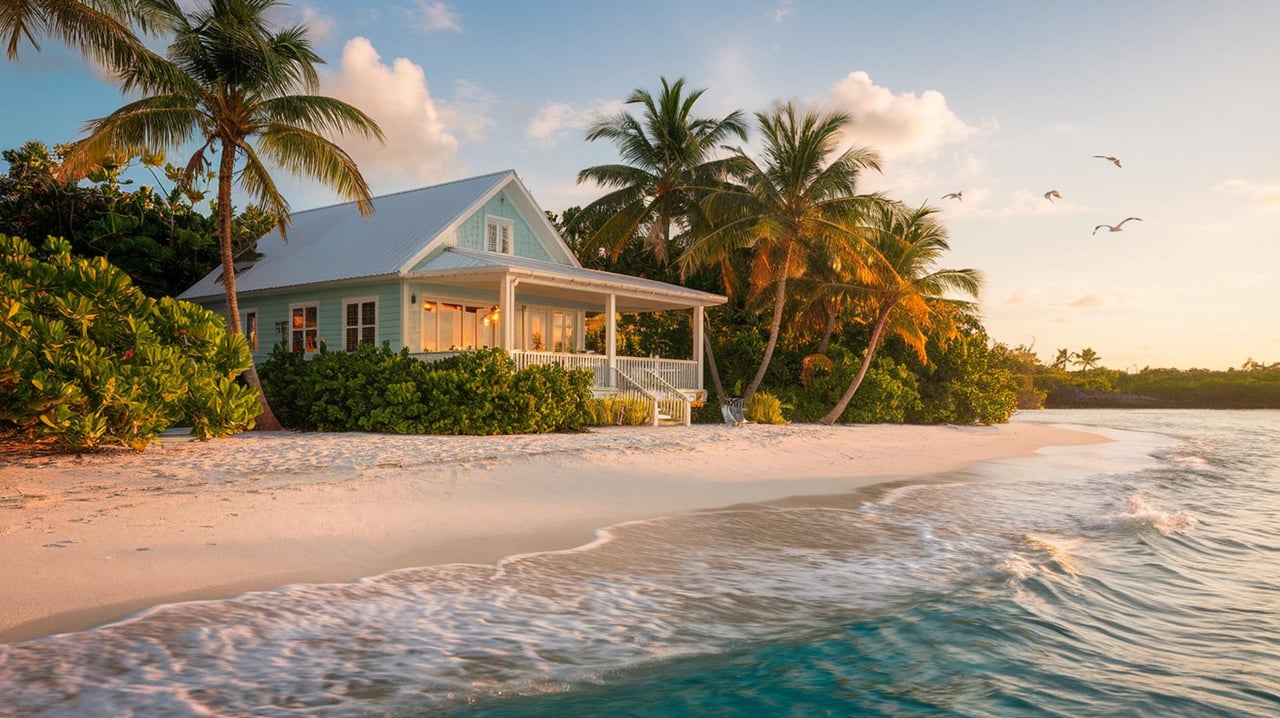
Waterfront living is often the right fit if you want your lifestyle to revolve around the water. Sarasota’s planning documents define water-dependent uses to include marinas, boat ramps, bay access sites, beaches, and piers, which helps explain why these areas appeal to buyers who want boating, beach time, or bay views built into daily life.
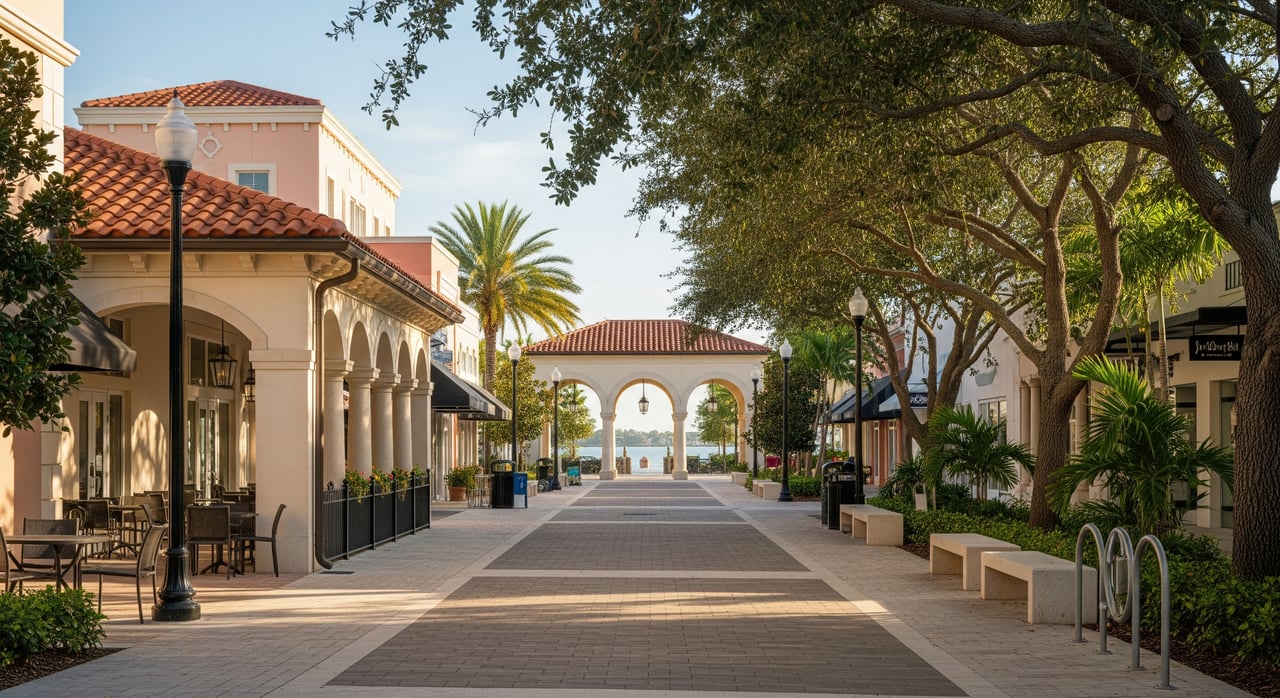
The specific waterfront areas also vary more than many buyers expect. Lido Key includes single-family and multifamily residential properties along with parks, beaches, hotels, resorts, and conservation lands. St. Armands Key includes a commercial district with more than 130 stores and restaurants, while its perimeter is largely single-family homes.
Bird Key is primarily single-family homes, and the northern section of Siesta Key within city limits is also mostly single-family, with some duplex and multifamily housing. Nearby Longboat Key adds another coastal option, but it also reflects a more regulated ownership environment tied to beach management, rental registration, and turtle-friendly lighting rules.
Everyday Perks of Waterfront Homes
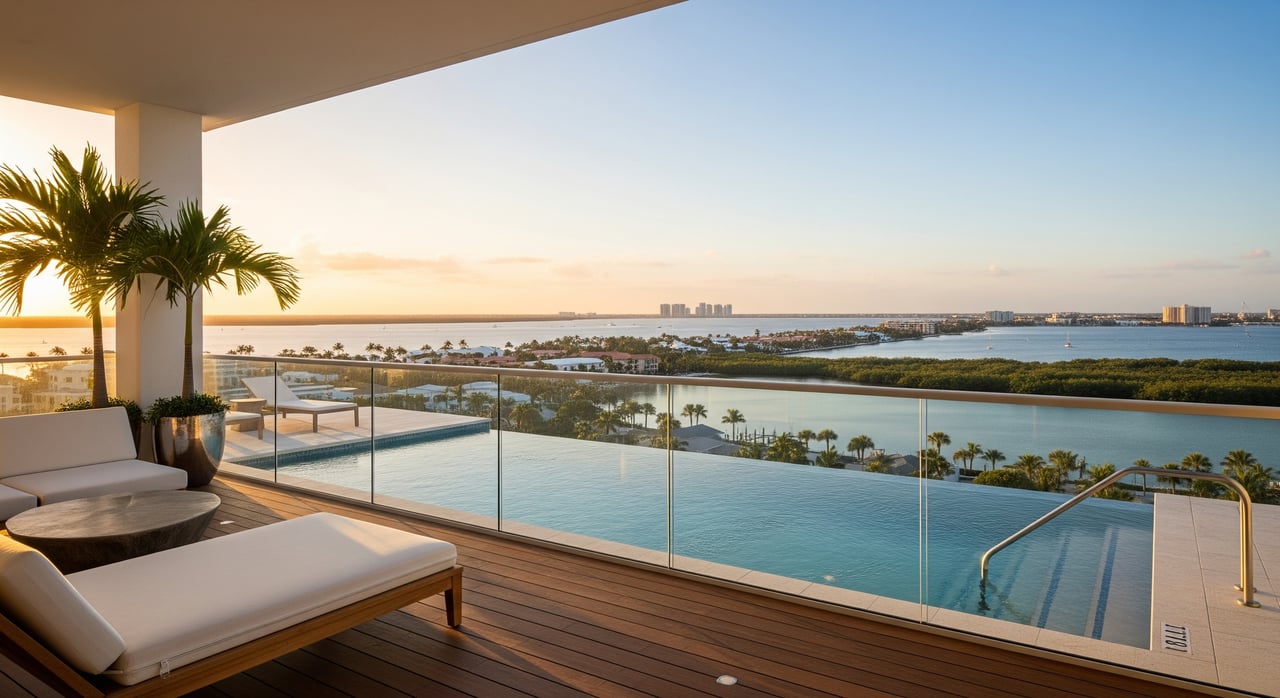
For many buyers, the biggest upside is simple: the setting shapes your routine. You may be closer to beaches, boating access, waterfront views, and a more destination-style environment that feels distinct from inland neighborhoods.
Transportation can also support that lifestyle. The Bay Runner trolley links downtown Sarasota, St. Armands Circle, and Lido Beach, while Sarasota County operates a free Siesta Key trolley between Siesta Key Village, Siesta Beach, and Turtle Beach. If you value short local trips tied to beaches and island destinations, this can be a real advantage.
Waterfront Tradeoffs to Expect
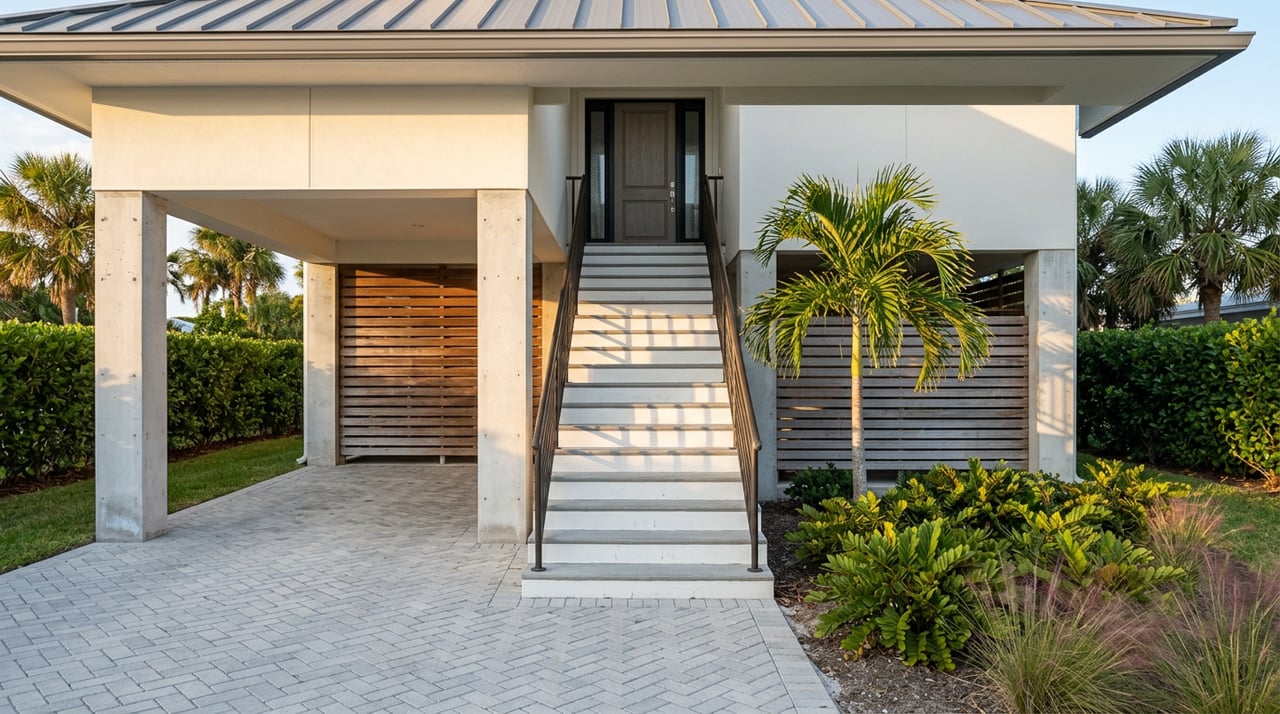
The same location benefits can come with extra complexity. Coastal ownership often means paying closer attention to flood zones, evacuation levels, bridge access, and shoreline-related rules.
According to Sarasota County’s flood information brochure, all of Florida is in a flood zone, and higher-risk areas include V, VE, A, AE, AH, AO, and Coastal A zones. The county also notes that flood insurance is required for properties in a Special Flood Hazard Area when there is a federally backed mortgage, and that flood insurance generally comes with a 30-day waiting period.
It is also important to separate flood maps from evacuation maps. Sarasota County explains that evacuation levels are based on where you live and the type of structure you live in, and when sustained winds exceed 45 mph, bridges and barrier islands may close to traffic. For buyers considering island living, that is not a reason to rule it out, but it is absolutely part of smart due diligence.
Inland Living in Sarasota
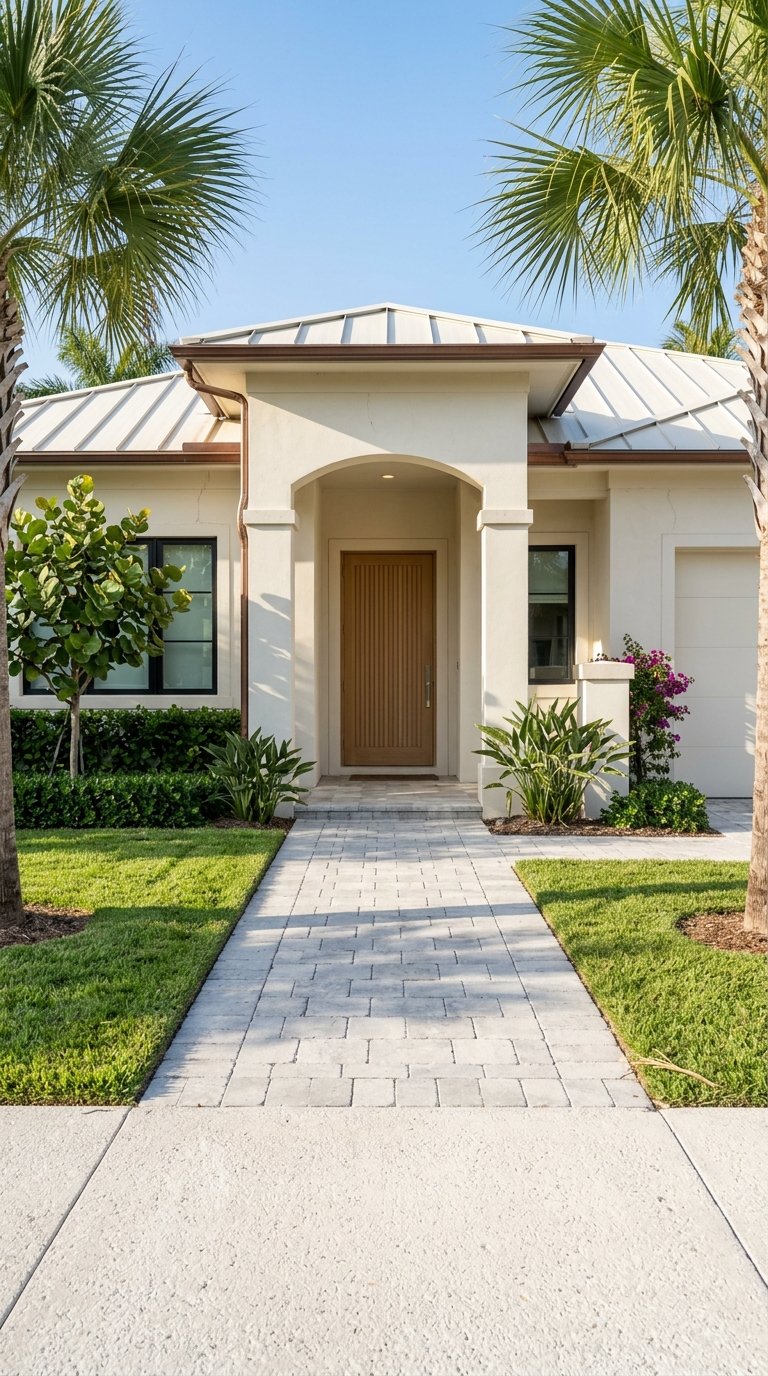
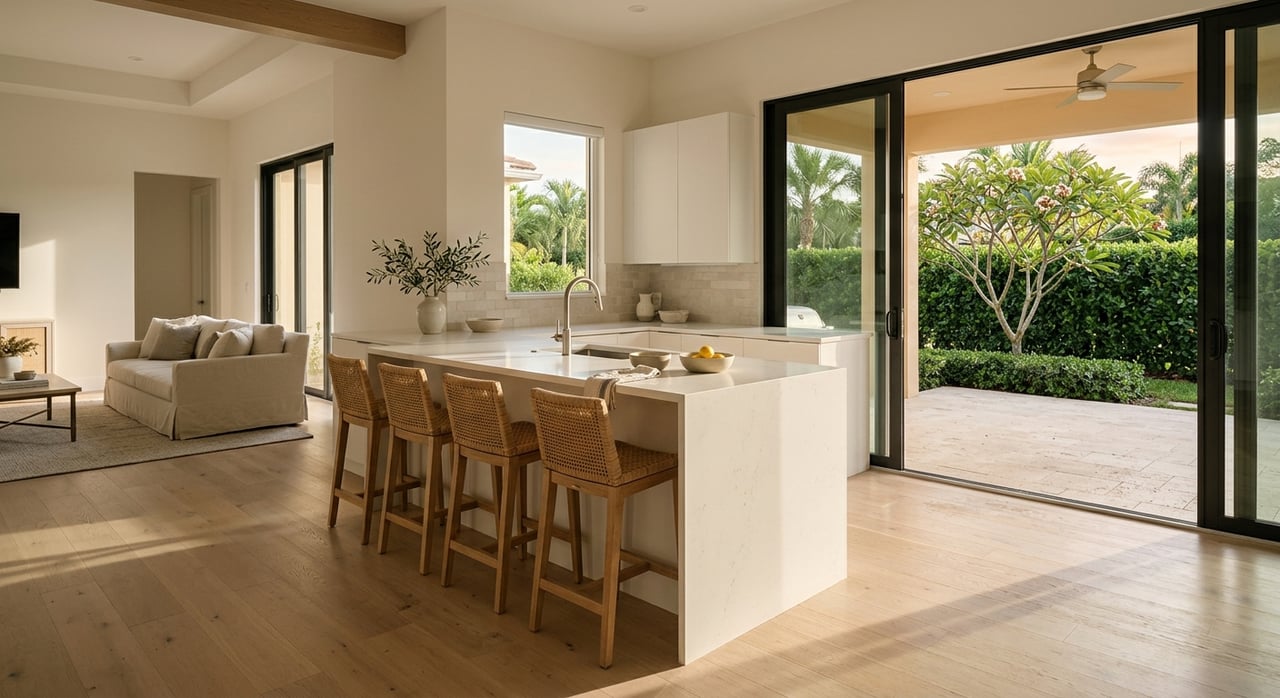
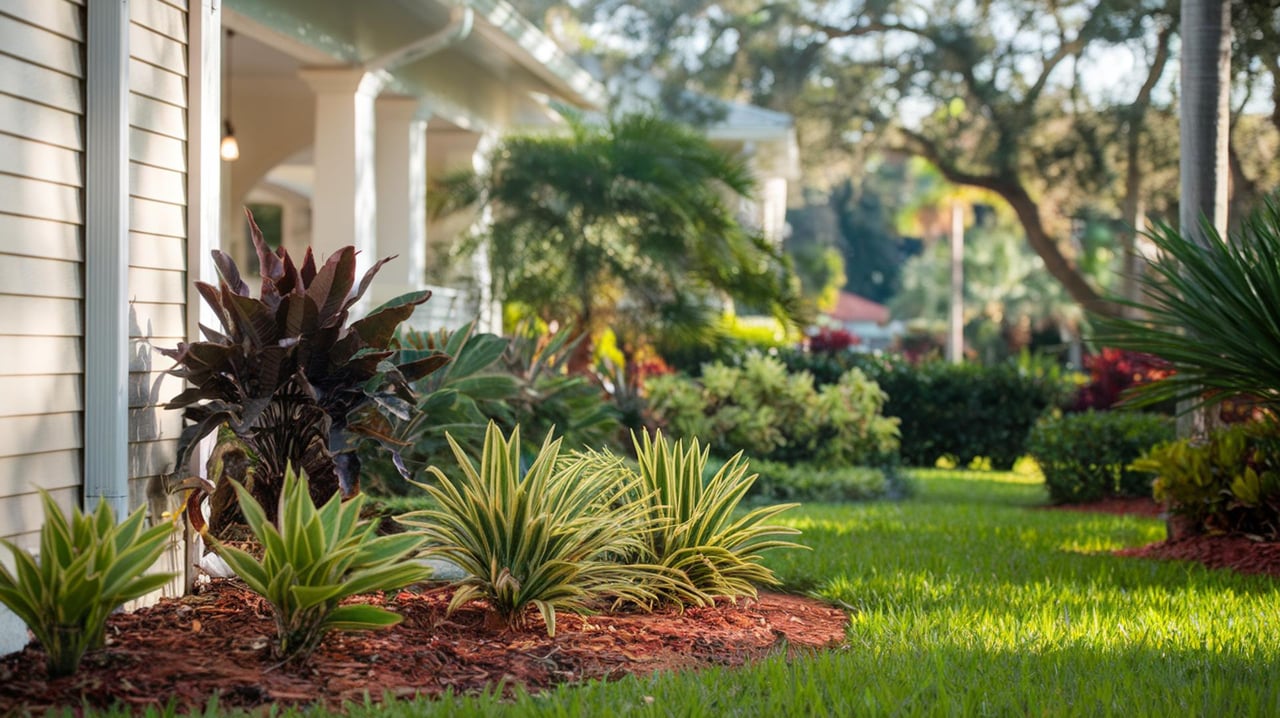
If your priorities lean toward convenience, flexibility, and broader inventory, inland communities may be a better match. In Sarasota’s inland areas, buyers often find more housing types, easier regional access, and neighborhood-centered amenities that support daily living.
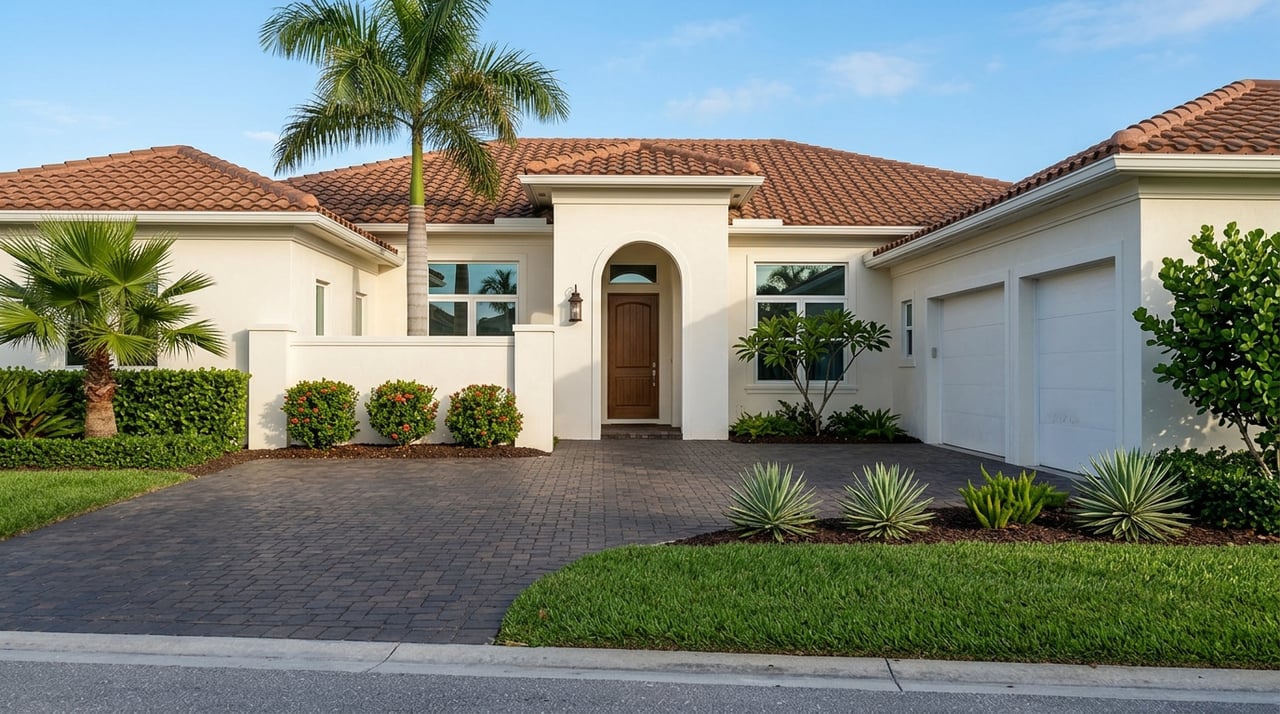
Palmer Ranch spans about 60 square miles south of Clark Road between I-75 and Tamiami Trail. Its official materials describe more than 90 subdivisions plus apartment communities and assisted-living facilities, with housing that ranges from maintenance-free villas and condos to single-family homes.
Lakewood Ranch is a 35,000-plus-acre master-planned community east of I-75 with access from University Parkway, State Road 70, State Road 64, and Fruitville Road. Official community information describes housing options that range from apartments and senior living to attached and detached homes.
Everyday Perks of Inland Homes
For many buyers, inland living works well because it simplifies the routine parts of life. Lakewood Ranch highlights more than 150 miles of trails, three town centers, 300-plus shops and restaurants, healthcare, and organized village amenities such as clubhouses, pools, and fitness centers.
Palmer Ranch is also positioned as a large residential community close to beaches and Sarasota’s civic and cultural areas while offering a broad mix of neighborhoods and housing options. If you want a home base that supports errands, commuting, and neighborhood amenities without living directly on a barrier island, inland Sarasota can check a lot of boxes.
Inland Tradeoffs to Expect
The biggest compromise is obvious: you are usually giving up immediate shoreline access. You may still be within reach of beaches and coastal destinations, but those experiences are no longer just outside your door.
The lifestyle also tends to feel less destination-based and more centered around neighborhoods, community amenities, and road access. For some buyers, that is a benefit. For others, it may not capture the same emotional pull as waking up on or near the water.
Maintenance and Ownership Differences
One of the most important differences between waterfront and inland homes shows up after closing. The day-to-day ownership profile can look very different depending on where you buy.
With waterfront and barrier-island properties, maintenance often includes coastal and shoreline concerns in addition to the usual home upkeep. Sarasota’s flood brochure notes that homeowners insurance does not cover flood damage and that even one inch of water can cause $27,000 or more in damage. That makes insurance review and property-specific risk planning especially important in coastal locations.
Some coastal communities also have rules tied directly to shoreline conditions. On Longboat Key, beach nourishment is funded through dependent special districts, turtle-friendly lighting is required when visible from the beach, and short-term residential rentals must follow a rental registry process. The City of Sarasota also notes that Lido Beach renourishment is underway as a multi-phase resilience effort extending into 2026, with dune construction into spring 2027.
Inland communities still come with upkeep responsibilities, but they are often more predictable and less shoreline-specific. Palmer Ranch notes that its master association maintains the grounds, while Lakewood Ranch emphasizes common-area amenities, trails, and village features. In many cases, this shifts more of the ownership focus toward HOA or master-association structures, landscaping, pools, and shared amenities rather than seawalls, coastal erosion concerns, or flood mitigation.
Commuting and Access
Where you live in Sarasota can shape how easy it feels to get around. This is another area where waterfront and inland homes often differ in a very practical way.
Waterfront living often depends on bridges, causeways, and island routes. The City of Sarasota explains that St. Armands Circle connects north to Longboat Key via State Road 789 and east to the mainland via John Ringling Boulevard and U.S. 41. Those routes support a great coastal lifestyle, but access can be more limited during peak traffic or weather events.
Inland communities are generally set up for easier regional commuting. Lakewood Ranch is described in official materials as accessible from multiple interchanges east of I-75, and Palmer Ranch sits between I-75 and Tamiami Trail. If you expect regular drives to downtown Sarasota, healthcare campuses, the airport, or other regional destinations, inland living may feel more straightforward.
A Simple Way to Decide
If you are still weighing both options, it can help to focus on your daily priorities rather than the dream image alone. The right answer usually becomes clearer when you think about how you want to live most days of the year.
Choose waterfront if you value:
- Direct beach, bay, or boating access
- Water views and an island setting
- A destination-style lifestyle close to shoreline amenities
- The idea of coastal living enough to accept added insurance and maintenance complexity
Choose inland if you value:
- A broader range of housing types and neighborhoods
- Easier commuting and more direct highway access
- Predictable ownership logistics
- Amenity-rich communities centered on trails, town centers, and neighborhood convenience
Questions to Ask Before You Buy
No matter which path you prefer, a few questions can help you compare homes more clearly.
Ask these before making a decision:
- Is the property in a flood zone?
- What evacuation level applies to the home, and is that different from the flood map?
- Will flood insurance be required, and how long will it take to activate?
- Are there community rules related to rentals, lighting, beach access, or coastal maintenance?
- How easy is it to get on and off the property during busy seasons or weather events?
- Does the home type match your lifestyle, whether that means a condo, villa, or single-family property?
If you are trying to sort through Sarasota’s waterfront and inland choices, a local guide can make the process much easier. Whether you are comparing island condos, bayfront homes, villas in Palmer Ranch, or amenity-rich options in Lakewood Ranch, Shane Lewis can help you evaluate the lifestyle, logistics, and long-term fit so you can move forward with clarity.
FAQs
What is the main difference between waterfront and inland homes in Sarasota?
- Waterfront homes typically offer closer access to beaches, boating, and bayfront settings, while inland homes usually offer broader housing choices, easier commuting, and more neighborhood-centered amenities.
Are waterfront homes in Sarasota more likely to need flood insurance?
- Yes, Sarasota County says flood insurance is required for buildings in a Special Flood Hazard Area when there is a federally backed mortgage, and activation generally has a 30-day waiting period.
Are flood zones and evacuation zones the same in Sarasota?
- No, Sarasota County states that flood maps and evacuation maps are different, so you should check both when evaluating a property.
What inland communities do buyers often compare in the Sarasota area?
- Buyers often compare Palmer Ranch and Lakewood Ranch because both offer a wide range of housing types, community amenities, and strong road access.
What should buyers know about owning property on Sarasota barrier islands?
- Buyers should review flood and evacuation information, bridge access, and any local rules related to rentals, lighting, shoreline management, or other coastal ownership requirements.