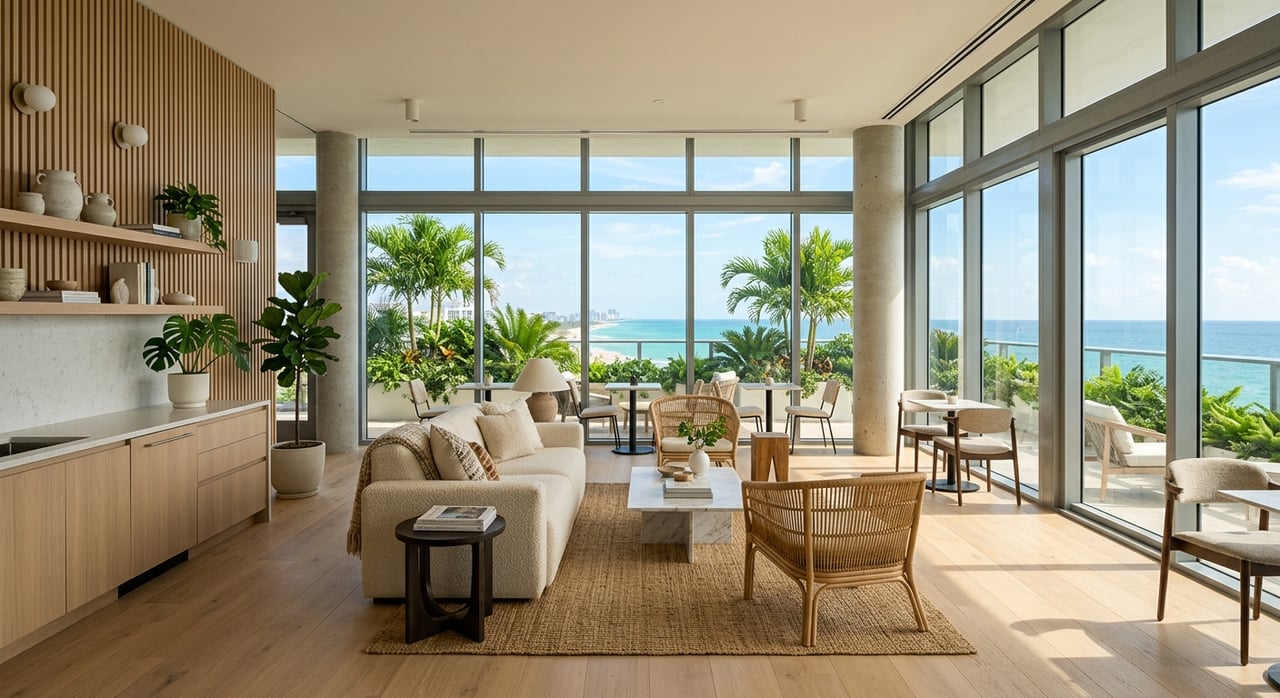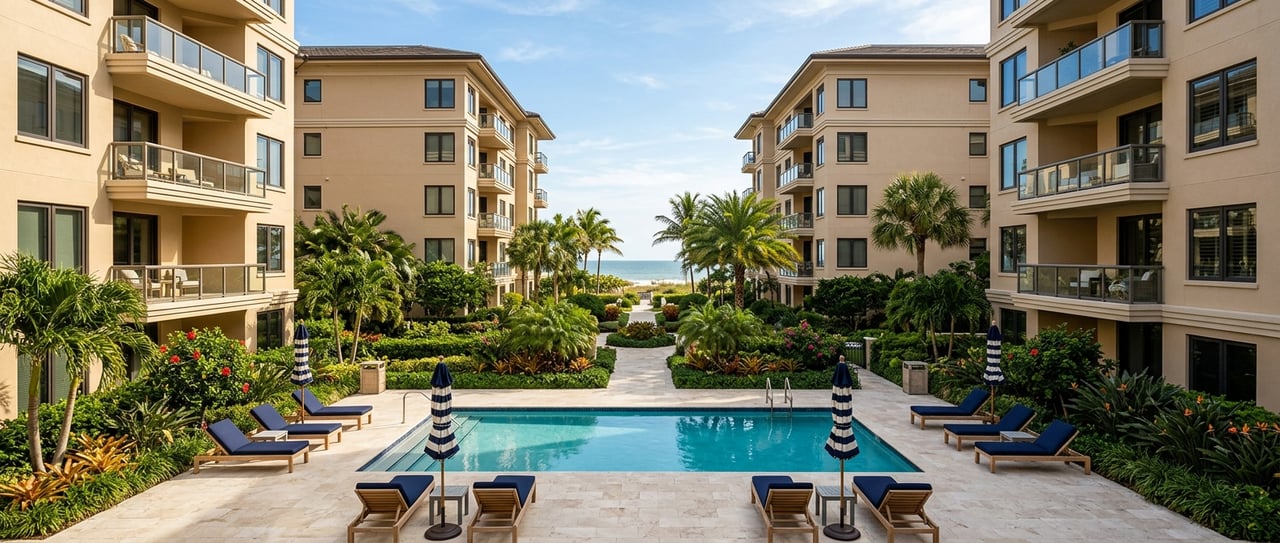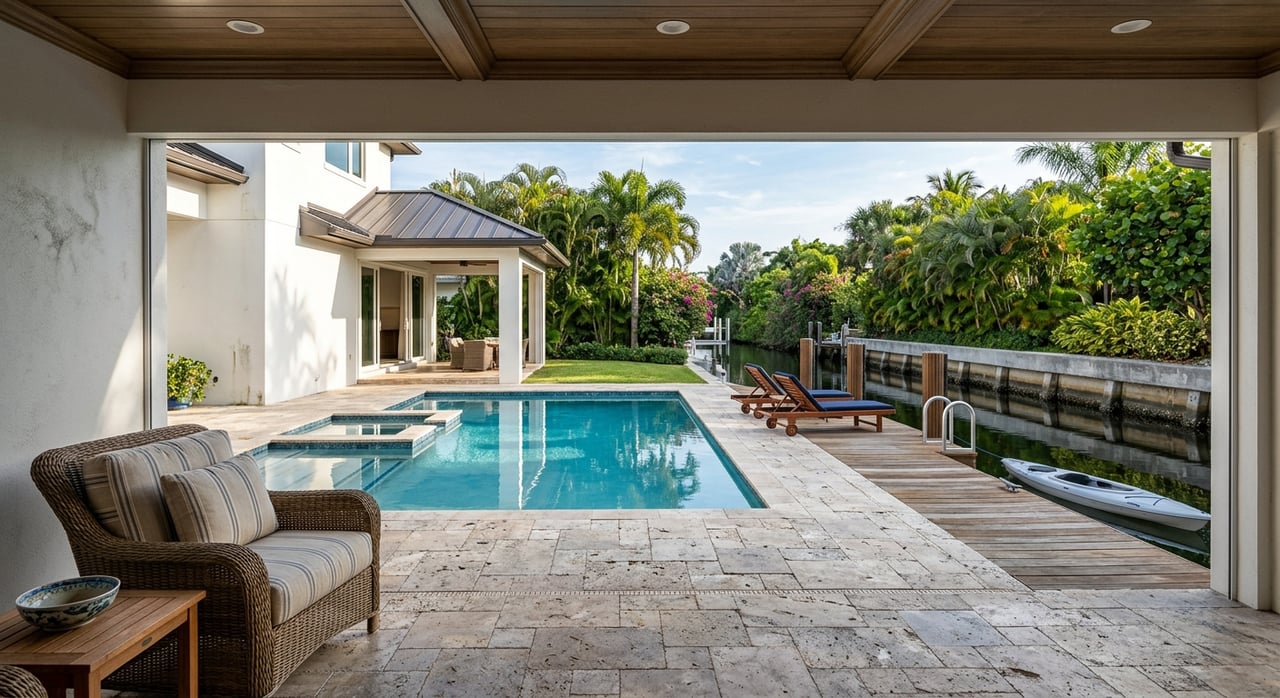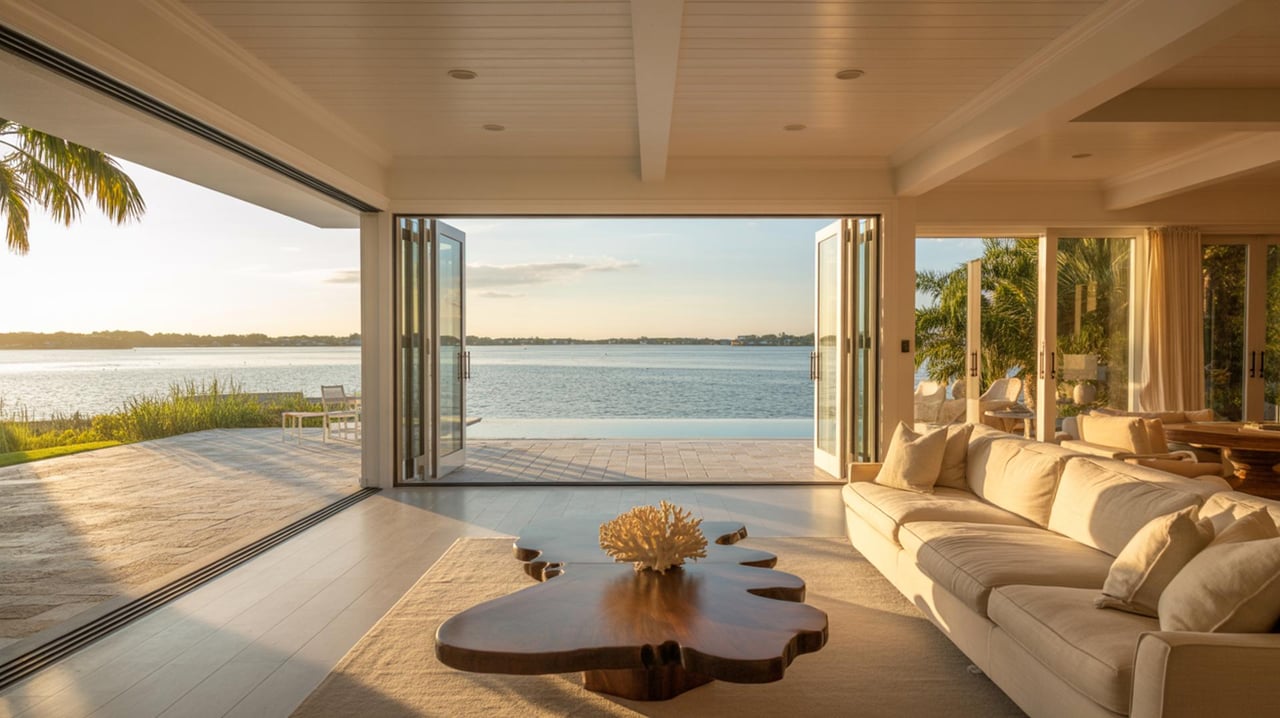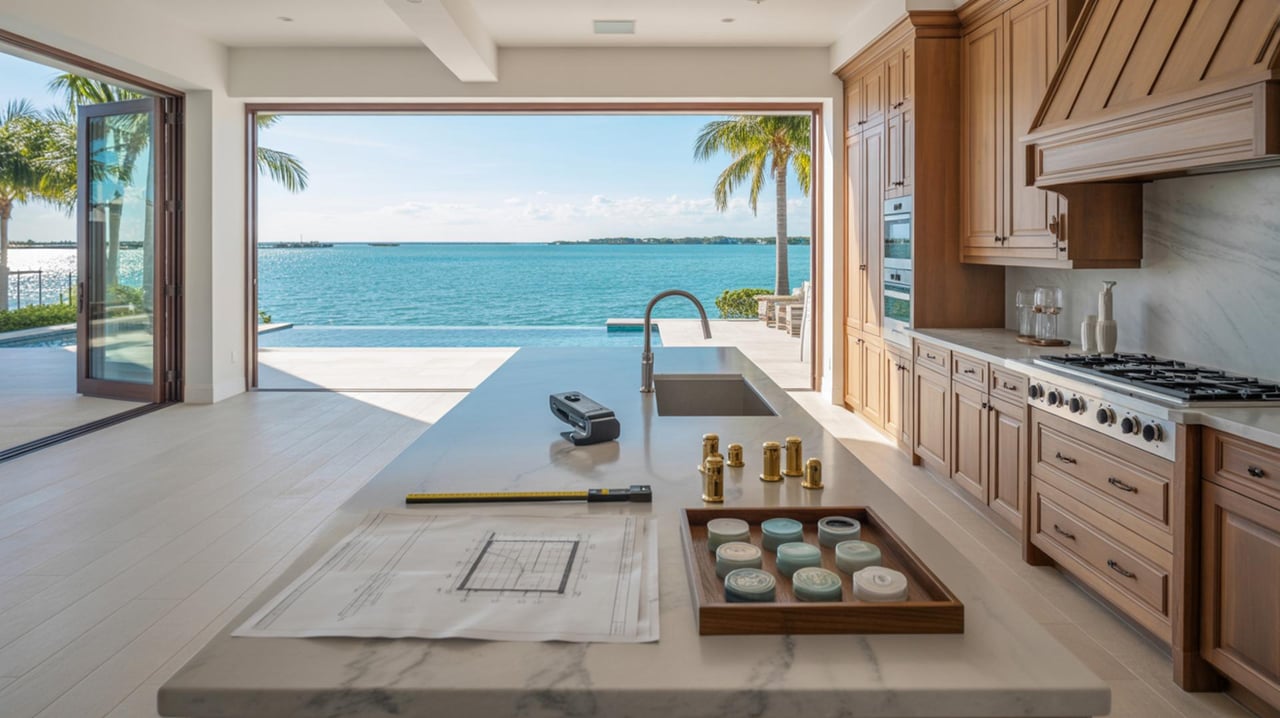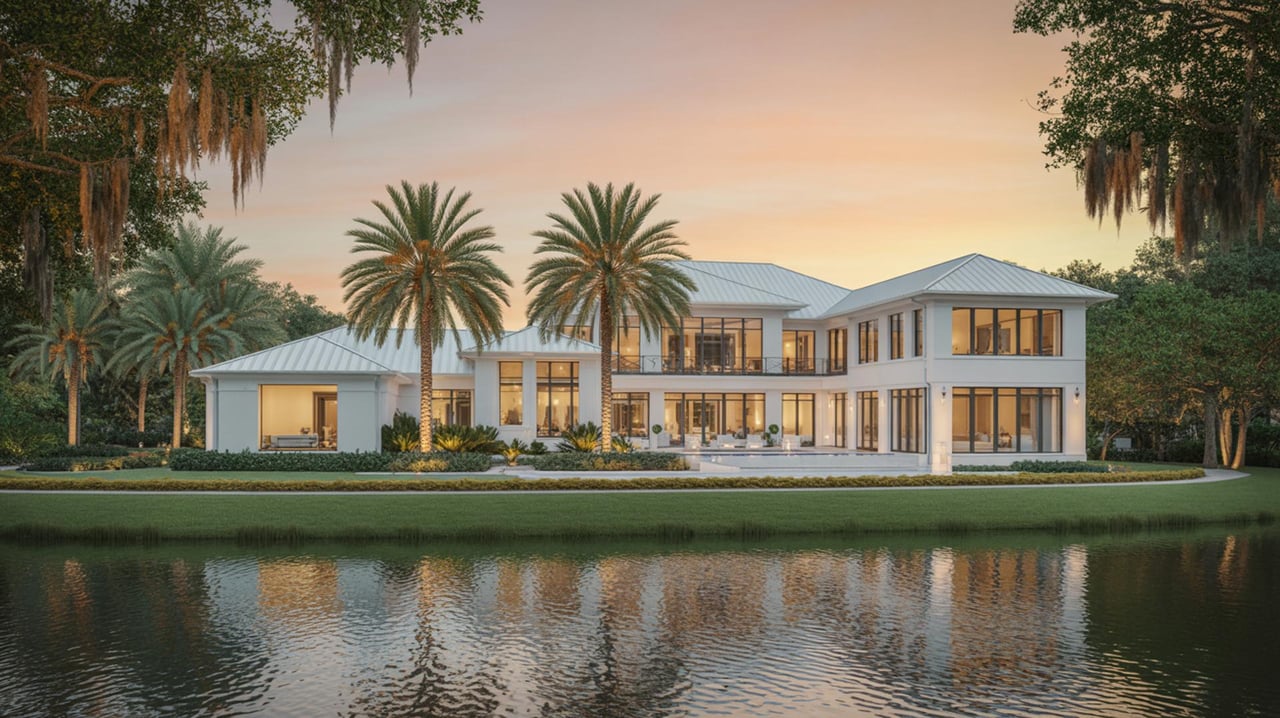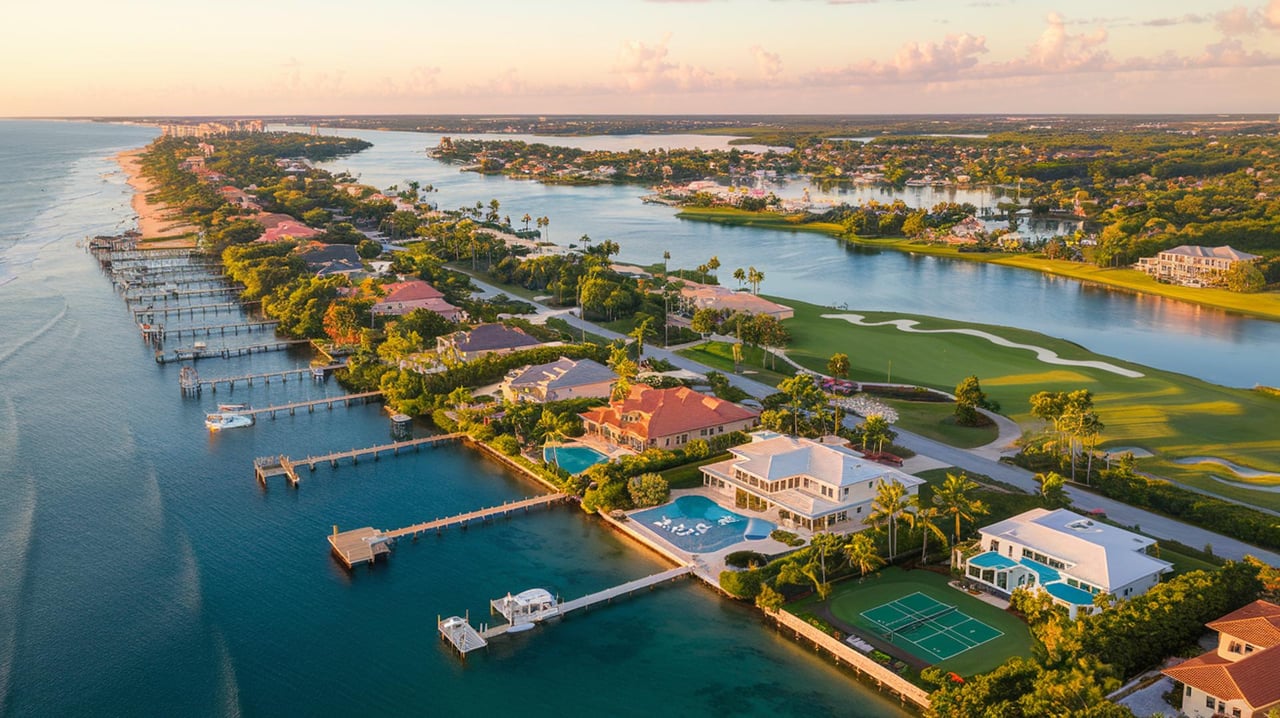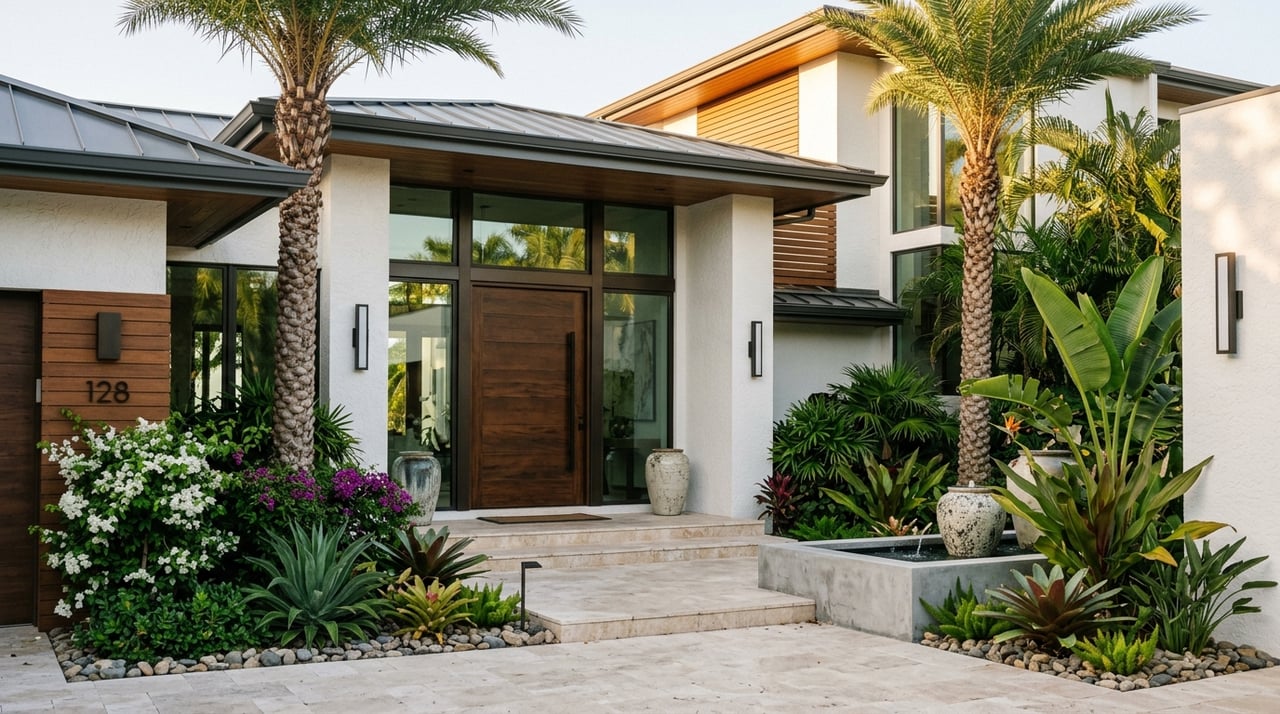
If you picture a second home as an easy escape, Siesta Key makes a strong case. You get beach access, a compact island layout, and a lifestyle that can feel both lively and relaxed depending on the season. At the same time, part-time ownership on a barrier island comes with practical considerations like weather planning, parking, and remote maintenance. This guide walks you through what second-home living on Siesta Key really looks like, so you can make a more confident decision. Let’s dive in.
Siesta Key at a Glance
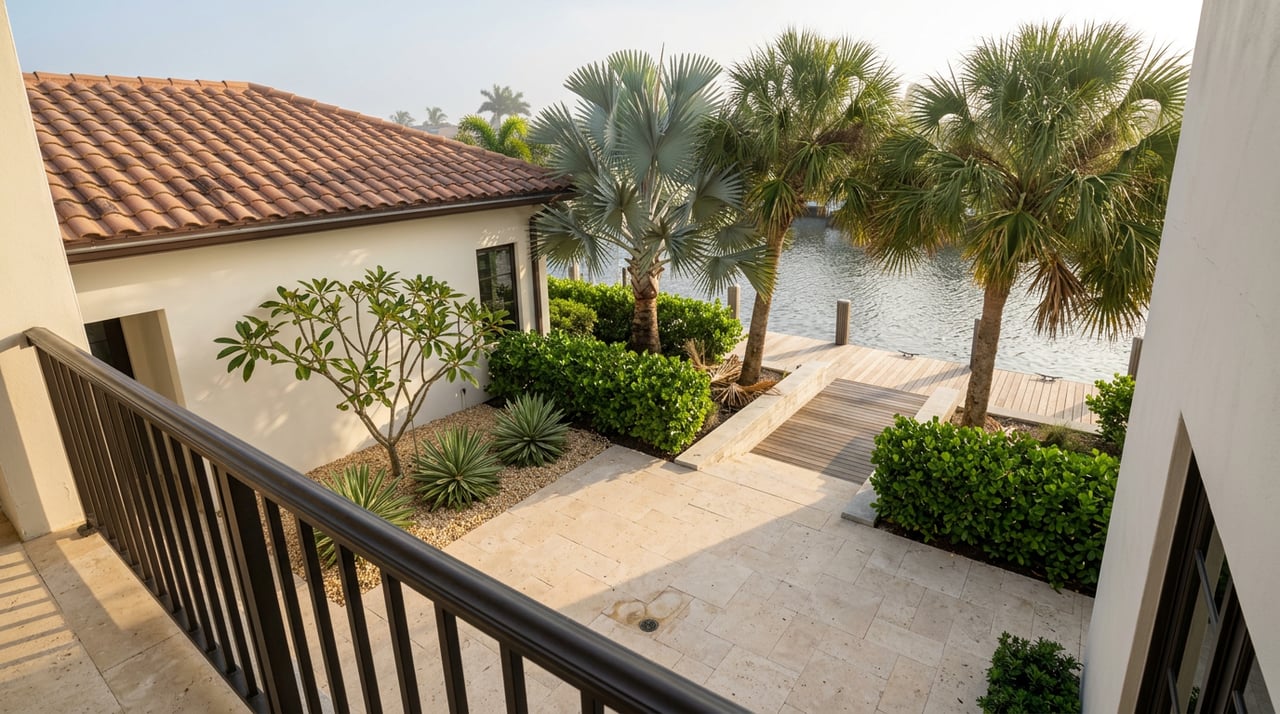
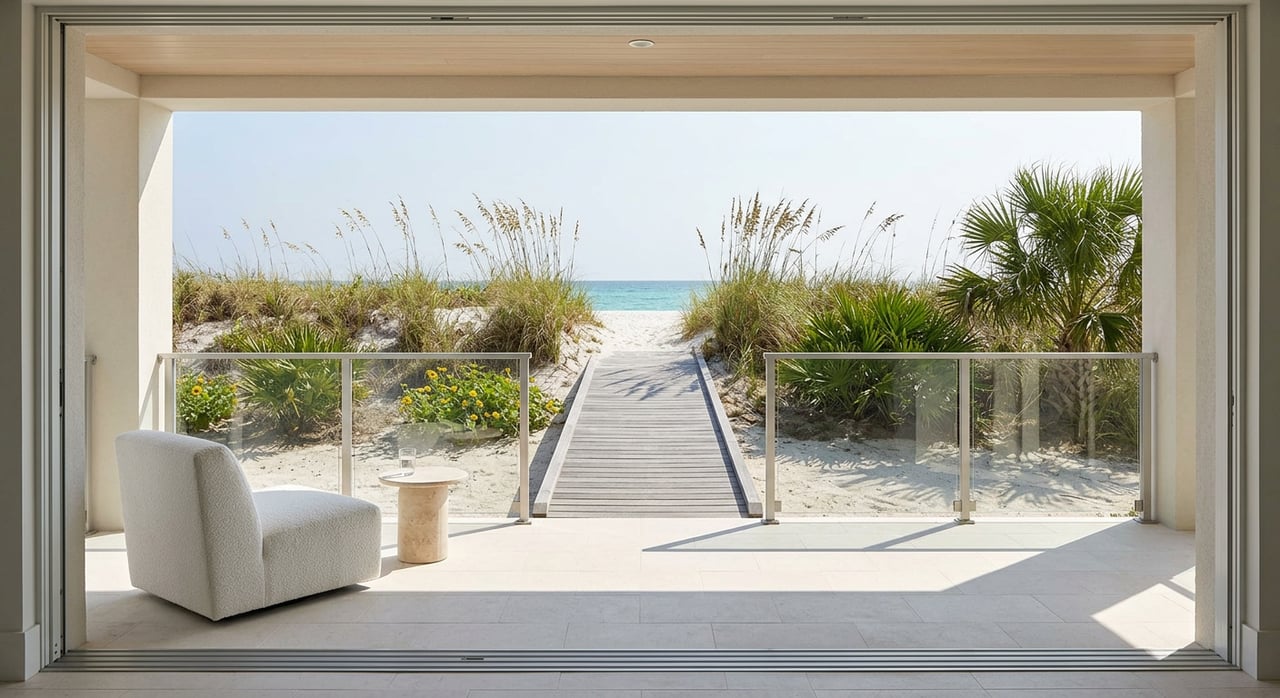
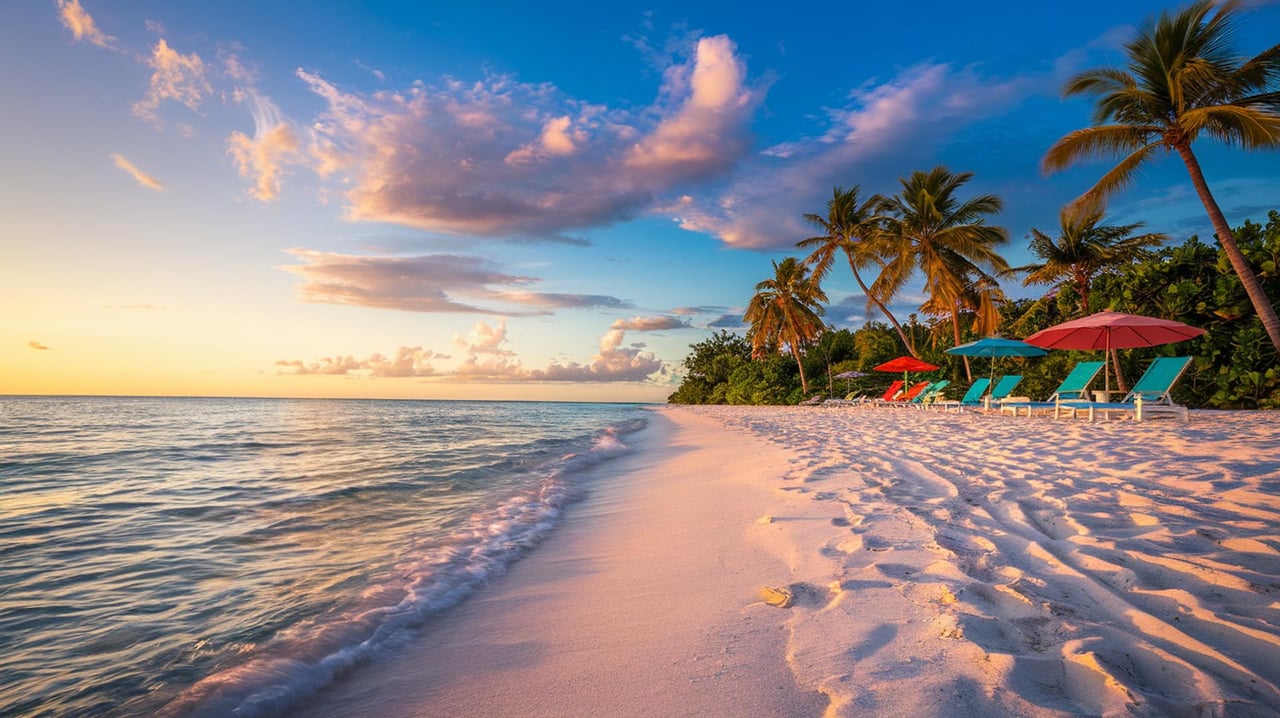
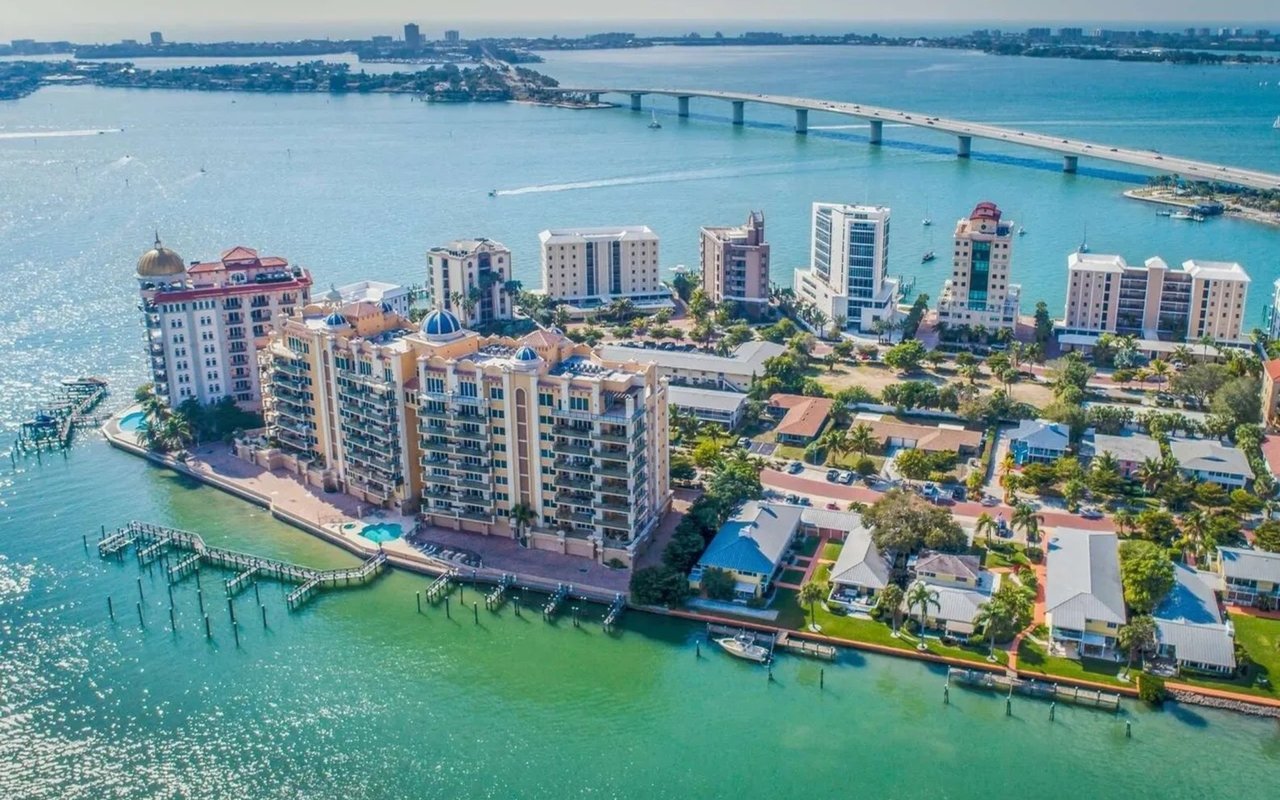
Siesta Key is an eight-mile-long barrier island on the Gulf, described by the local chamber as a compact 3.5-square-mile island with three main beach areas and two villages. It connects to mainland Sarasota by two bridges, which helps make it feel tucked away without feeling cut off. You can explore the island layout on the Siesta Key Chamber map.
For many second-home buyers, that balance is the appeal. You get the everyday atmosphere of island living, but mainland Sarasota stays close for broader services, shopping, and travel connections. That setup often makes part-time ownership more manageable than buyers expect.
Seasonal Living on Siesta Key
Winter feels busiest
Winter is the most active season on Siesta Key. According to Visit Sarasota’s winter guide, the weather is cooler and drier, seasonal residents arrive from December through March, and March is traditionally the busiest tourism month.
For you as an owner, that usually means fuller beaches, busier restaurants, and more activity across the island. It can also mean a more social atmosphere, with outdoor events, holiday programming, farmers markets, and seasonal happenings drawing people into Sarasota County.
Summer feels quieter
Summer brings a different rhythm. Visit Sarasota’s weather overview notes that this time of year is hotter, wetter, and generally considered off-season, with lighter crowds and easier parking.
If you want a calmer version of island life, summer may actually be appealing. The tradeoff is that weather becomes a bigger part of day-to-day planning, especially during hurricane season.
Spring sits in between
Spring often combines great weather with strong visitor activity. Visit Sarasota notes that many people come for spring weather, spring break, and spring training, which can keep the island feeling active well beyond winter.
If your second-home goals include convenience and a quieter pace, this seasonal pattern matters. The same property can feel very different in February than it does in July.
Getting Around Day to Day
The island is compact
Because Siesta Key is relatively small, many short trips are practical without needing to drive far. The chamber highlights bicycles, golf carts, and scooter cars as workable options for getting around the island for everyday errands and beach runs. You can see more about local transportation and island mobility through the Siesta Key Chamber’s explore page.
That compact layout is helpful if you are only here part time. It can make daily life feel simpler, especially if you prefer a more walkable or low-driving routine once you arrive.
Free trolley service helps
Sarasota County operates the free 77 Siesta Islander trolley every day. According to the county’s specialty routes page, it connects downtown Sarasota, Siesta Key Village, Siesta Beach, South Village, and Turtle Beach, and is intended to help reduce traffic congestion on Siesta Key.
There is also Route 33 between Cattlemen Station and Siesta Beach on a Monday-through-Saturday schedule. For second-home owners, that means you may be able to rely less on a car for some island and beach trips, especially during busier months.
Mainland Sarasota fills the gaps
Siesta Key has core conveniences, including two full-service markets on the island, according to the chamber. At the same time, many owners naturally use mainland Sarasota for larger grocery runs, appointments, and broader retail or service needs. The short bridge connection makes that pattern practical.
In real life, many part-time owners end up splitting their routine this way: island living for beach time, dining, and quick errands, then mainland Sarasota for the bigger to-do list. That can be a very comfortable rhythm once you settle in.
Parking, Traffic, and Busy-Season Expectations
Parking on Siesta Key is workable, but it is not unlimited. The chamber and Sarasota County note free public parking at Siesta Beach, a small municipal lot in Siesta Key Village, a municipal lot at Turtle Beach, and multiple paid private lots, all summarized in the Siesta Key FAQs.
During winter and spring, you should expect a busier feel on roads, around the village areas, and near the beach access points. That does not mean daily life becomes unmanageable, but it does reward planning. If you time outings earlier, use the trolley when it fits, and keep your errands efficient, the experience is usually easier.
For second-home buyers, this is less about whether the island gets busy and more about whether you are comfortable with seasonal ebb and flow. Many owners are, especially because the busier season also brings energy and activity that they enjoy.
Travel and Access for Part-Time Owners
Easy travel access can make or break a second-home decision. The chamber notes that the nearest airport is Sarasota Bradenton International Airport, about ten miles north of Siesta Key, and that there are four major airports within 90 miles.
That matters if you plan to split your time between Florida and another home base. Shorter travel days and multiple airport options can make spontaneous trips, holiday visits, and owner oversight much easier.
Ownership Costs to Plan For
Flood insurance deserves special attention
On a barrier island, one of the biggest ownership variables is coastal risk. Sarasota County explains that the area is susceptible to coastal flooding from heavy rain, tropical storms, hurricanes, and storm surge in its flood protection guidance.
FEMA also states that most homeowners insurance policies do not cover flood damage. On the FEMA flood insurance page, it notes that homes in high-risk flood areas with government-backed mortgages are required to carry flood insurance, and that NFIP policies typically have a 30-day waiting period.
If you are buying a second home here, flood coverage should be part of your planning from the start, not something left for the final week before closing.
Storm readiness is part of ownership
Hurricane season runs from June 1 through November 30, according to NOAA. For part-time owners, this is especially important because the season may overlap with periods when you are away from the property.
Sarasota County advises barrier-island residents to evacuate early because roads can be underwater before a storm, which can limit evacuation routes. The county also notes that homes built under the 2002 Florida Building Code sustained less damage on average than older homes, especially when paired with shutters.
That does not predict how any one home will perform, but it does tell you where to focus your review. Roof age, impact protection, drainage, and backup power all deserve a closer look when comparing properties.
Remote oversight matters more than daily upkeep
For many second-home owners, the bigger challenge is not day-to-day living. It is making sure the home is checked, serviced, and protected when you are not in town.
That can include:
- Post-storm property checks
- Cooling and dehumidification service
- Utility monitoring
- Cleaning coordination
- Handyman help for small issues
- Reviewing insurance and any association coverage
These needs are especially relevant on the coast, where weather and humidity can affect a vacant property faster than many buyers expect.
Condo vs. Single-Family Home
Condos may offer simpler seasonal ownership
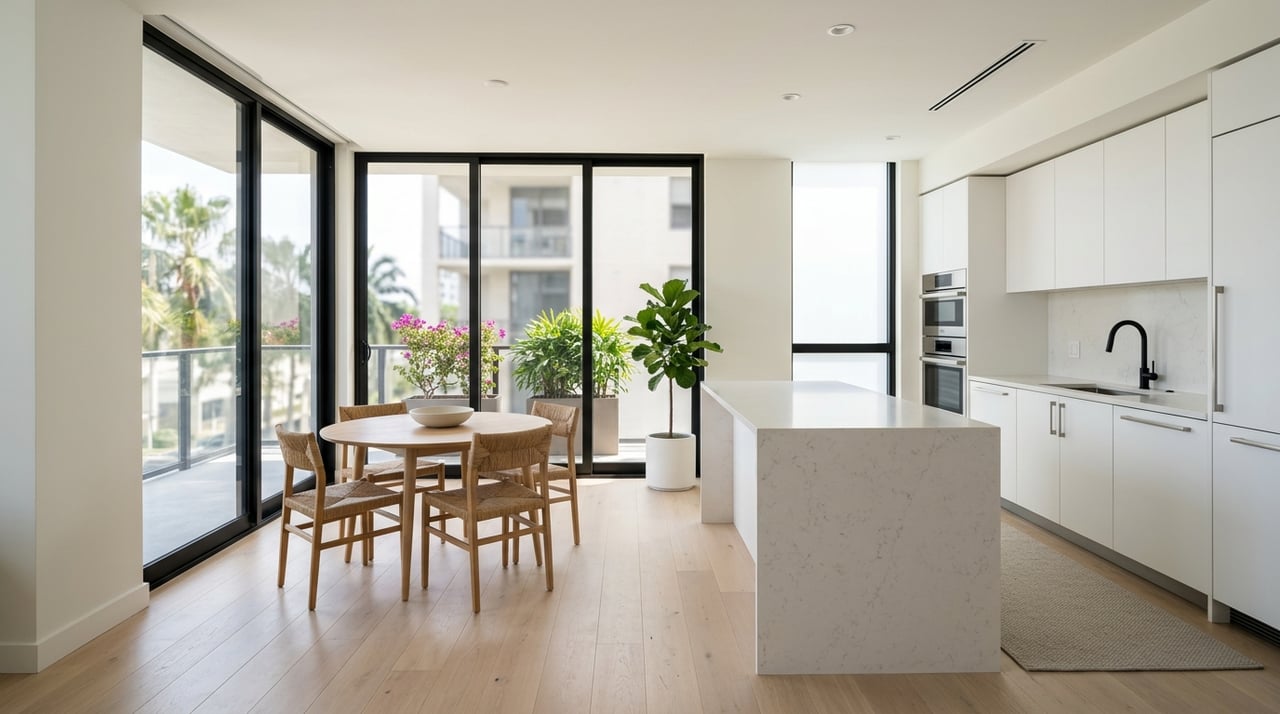
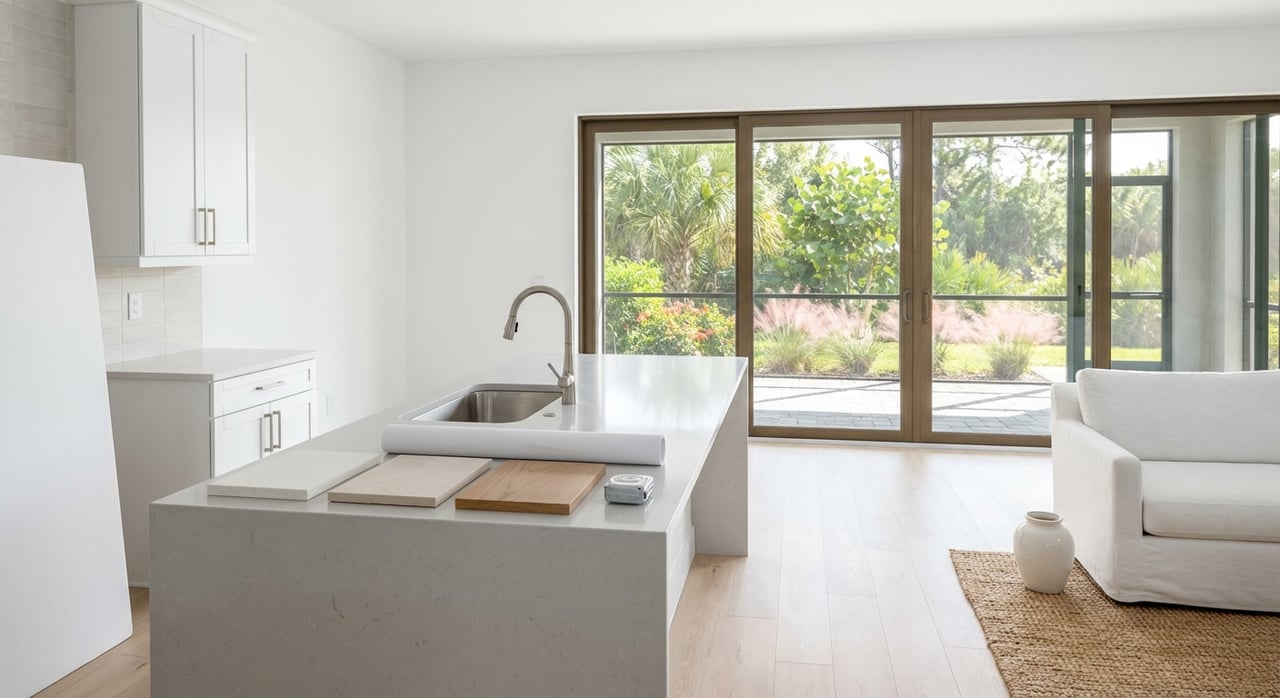
If your goal is low-maintenance second-home living, a condo may deserve extra attention. The Consumer Financial Protection Bureau notes that condo or HOA fees are usually separate from the mortgage and can range from a few hundred dollars per month to more than $1,000 per month.
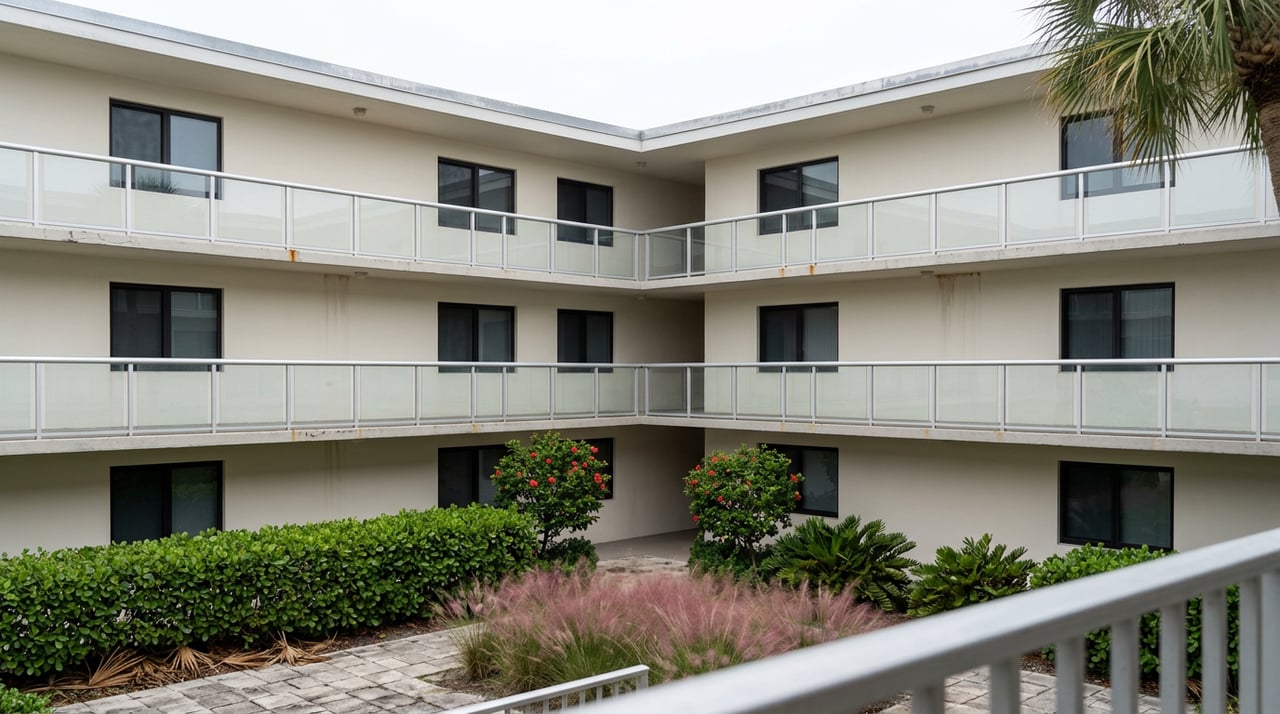
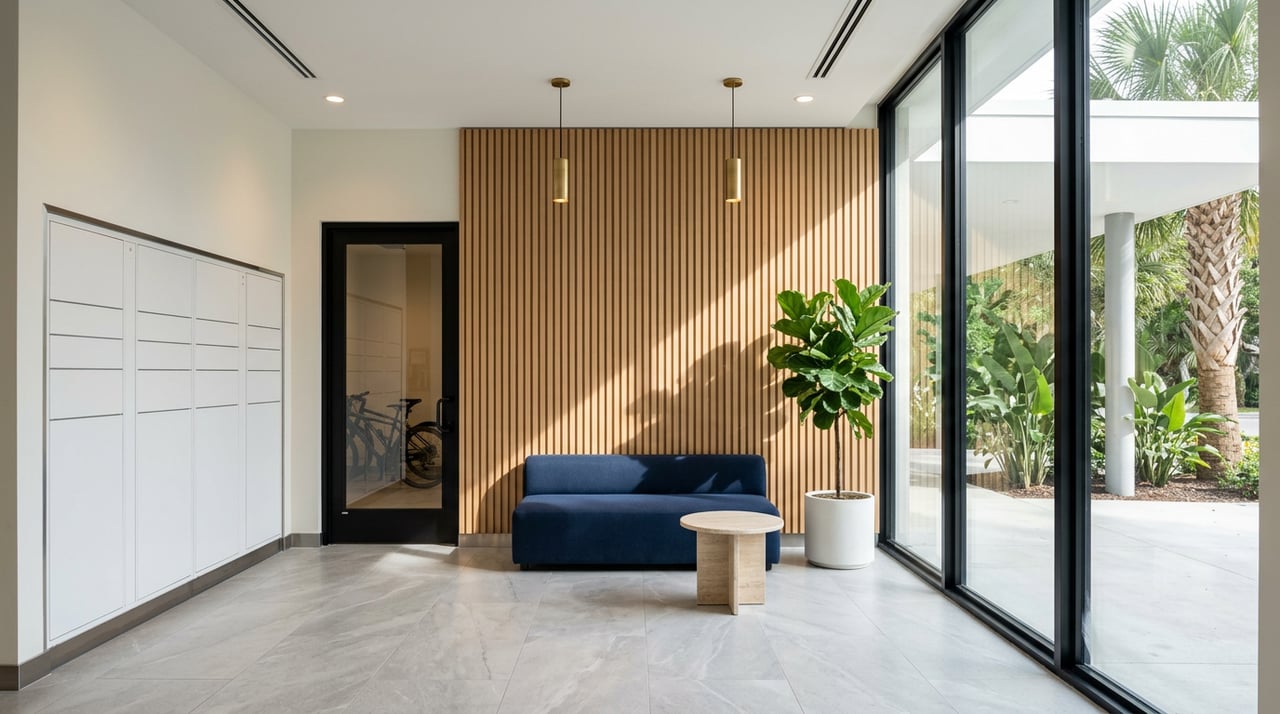
Those fees can support maintenance of shared structures, roofs, and common areas, which may reduce some hands-on responsibilities for owners. That can be appealing if you plan to spend only part of the year on Siesta Key.
Single-family homes offer more control
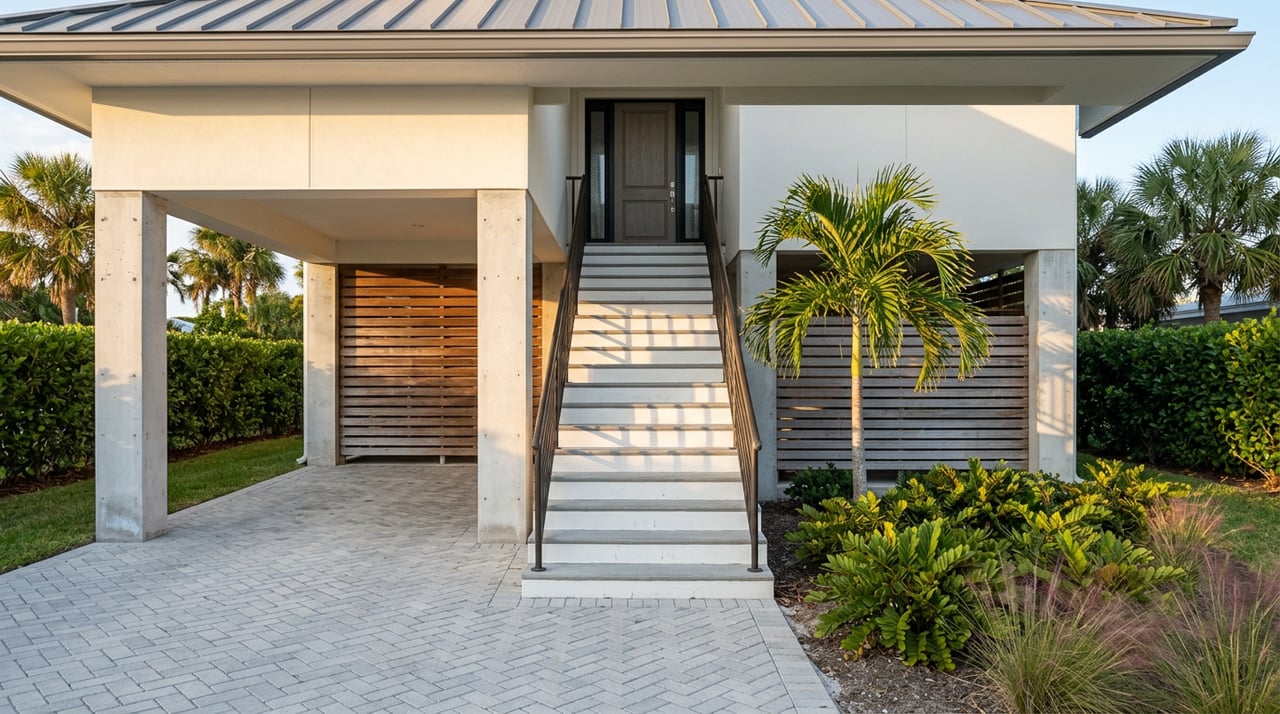
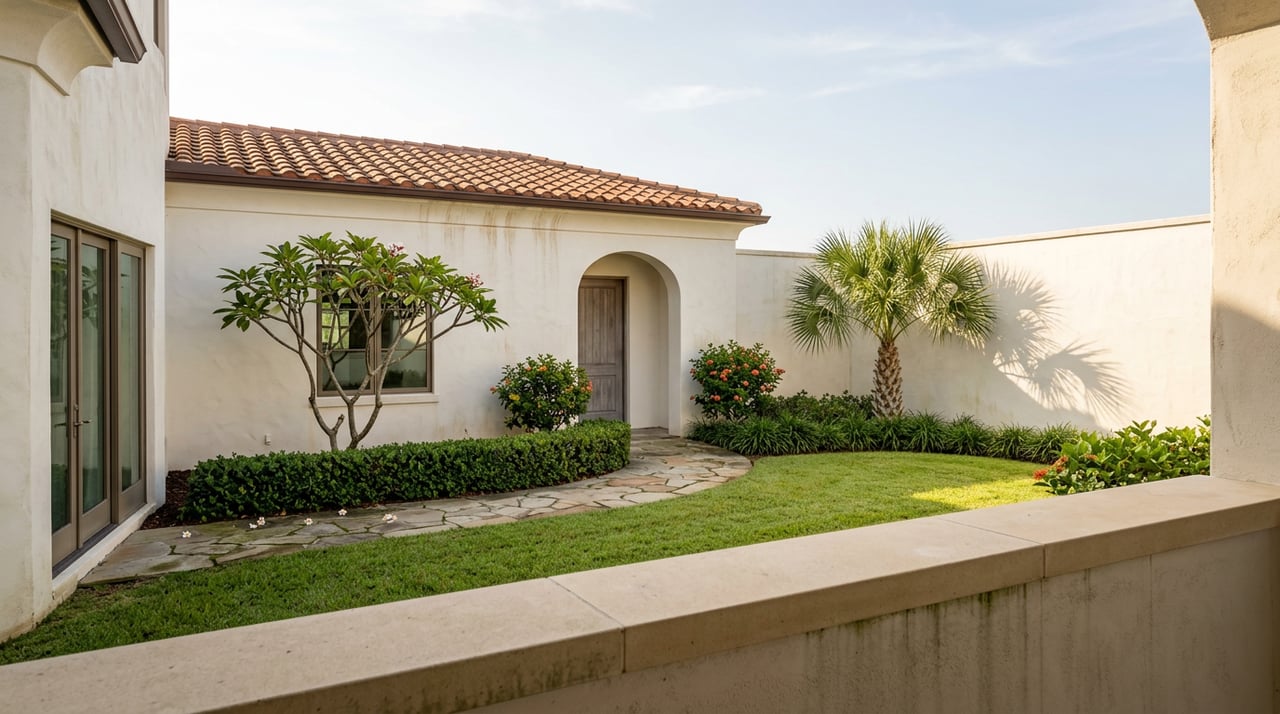
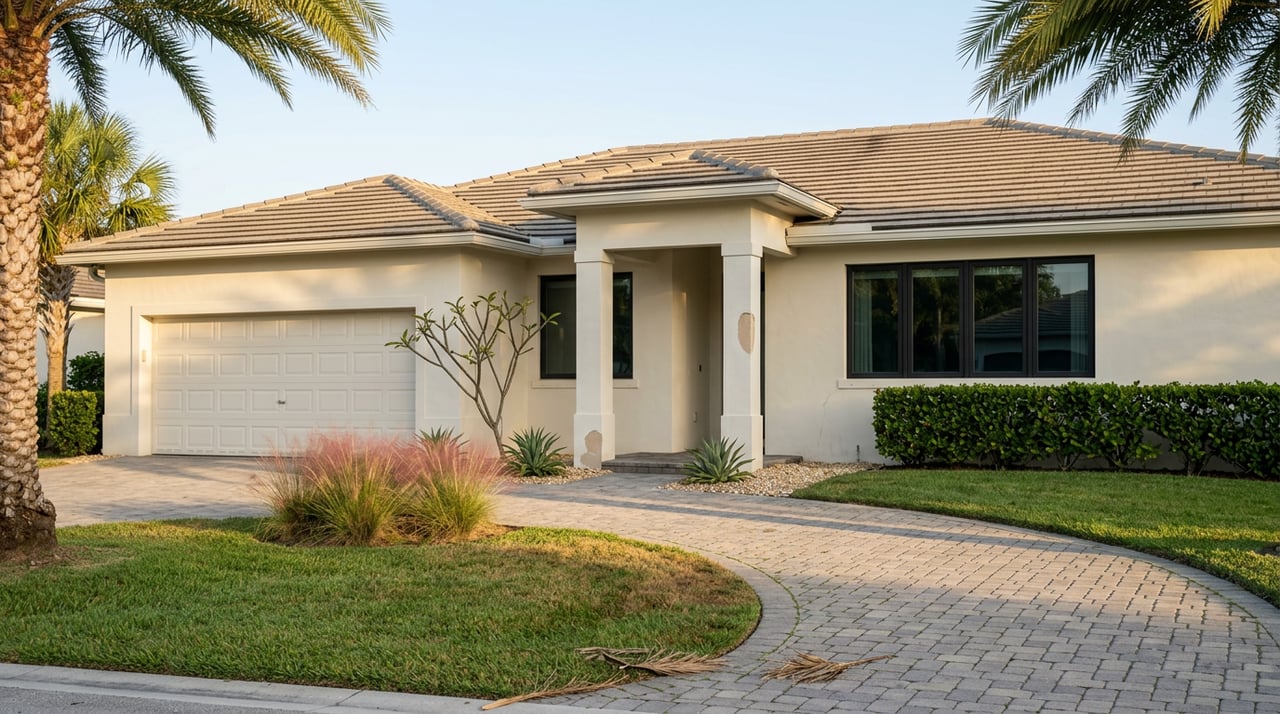
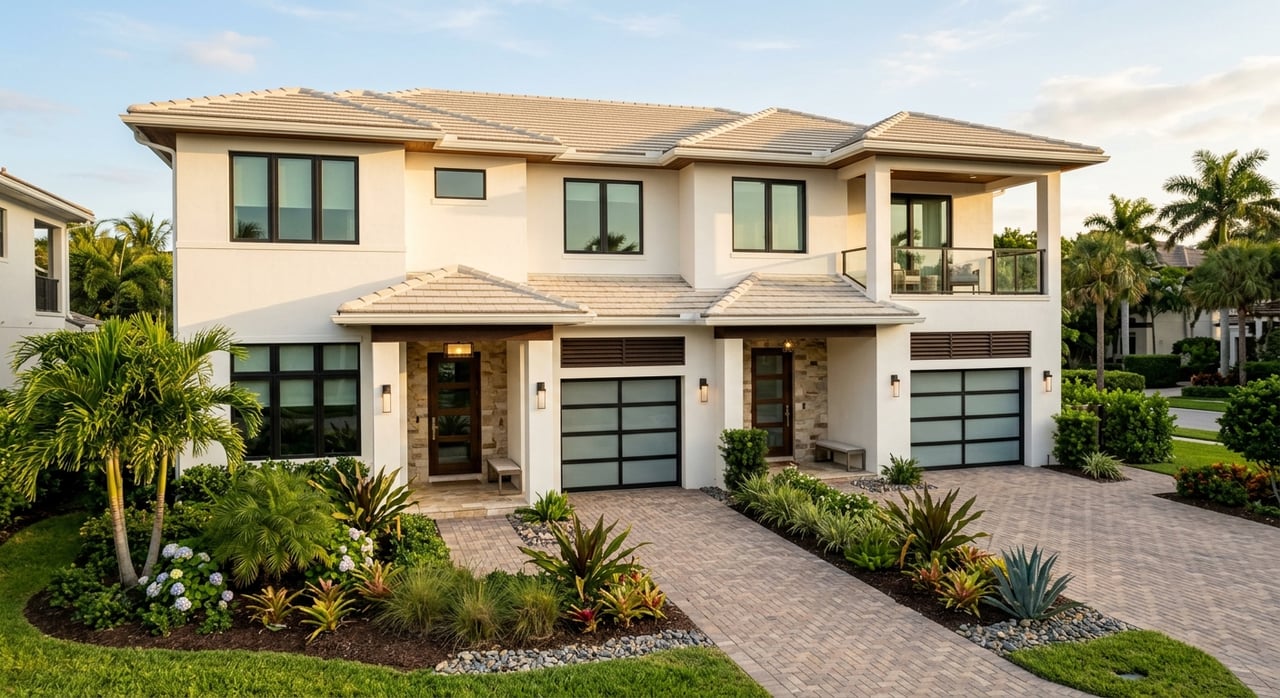
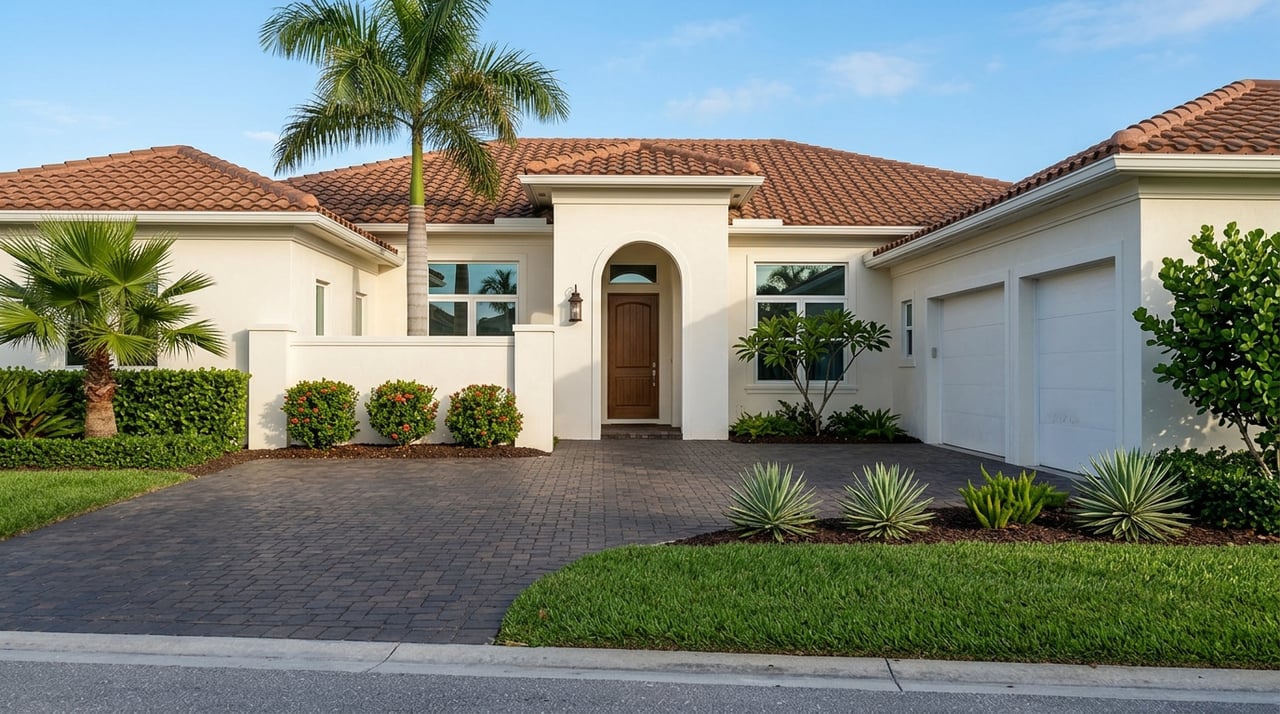
A single-family home can offer more privacy, more direct control over the property, and sometimes more flexibility in how you use and maintain it. But it can also place more of the storm prep, exterior upkeep, and vacant-home oversight directly on you.
The right fit depends on how you want to spend your time. If you want lock-and-leave ease, a condo may align better. If you want more autonomy and space, a single-family property may be worth the added management.
Insurance still matters in both cases
Even if a condo association carries master insurance for common areas, the CFPB notes that owners still need their own insurance for the unit. That is an important detail for second-home budgeting.
In other words, association coverage does not replace your need to understand your personal insurance responsibilities.
Everyday Conveniences on the Key
Siesta Key does offer the basics you need for day-to-day comfort. The chamber notes two full-service markets on the island, public restrooms at Siesta Beach, Turtle Beach, Nora Patterson Park, and Glebe Park, plus amenities like tennis and pickleball courts at Siesta Beach, all listed in the local FAQ guide.
That means part-time living here is not just about the beach. You still have practical services and recreational amenities close by, which can make longer seasonal stays feel easier and more settled.
Local Rules Seasonal Owners Should Know
A few local rules are worth learning early. Sarasota County bans smoking at county-owned beaches and parks, dogs are not allowed on Siesta Key beaches, and turtle nesting season runs from May 1 through October 31, according to the chamber’s FAQ page.
For second-home owners, these rules are simple but important. They can shape how you use the beach, host guests, and plan your time on the island during different parts of the year.
What Siesta Key Second-Home Living Feels Like
In practical terms, Siesta Key second-home living usually means trading constant urban convenience for a more coastal, seasonal rhythm. You can handle many daily needs on or near the island, enjoy an active social season in winter and spring, and still reach mainland Sarasota quickly when you need more.
The biggest adjustment is not isolation. It is learning the natural patterns of barrier-island ownership, from weather prep to seasonal traffic to the realities of leaving a home vacant for part of the year.
For many buyers, that tradeoff is well worth it. If you value beach access, a compact island setting, and a strong connection to Sarasota, Siesta Key can be a compelling place to own a second home.
If you are weighing condos versus single-family homes, comparing island locations, or trying to understand what part-time ownership would really look like for your lifestyle, working with a local advisor can make the process much clearer. Shane Lewis brings deep Siesta Key roots, waterfront expertise, and a practical, white-glove approach to helping you buy with confidence.
FAQs
What is second-home living like on Siesta Key during winter?
- Winter on Siesta Key is typically cooler, drier, and more active, with more visitors, fuller beaches, and a stronger social calendar from December through March.
How easy is it to get around Siesta Key as a part-time owner?
- Siesta Key is compact, and many owners use a mix of short drives, bikes, golf carts, scooter cars, and the free 77 Siesta Islander trolley for everyday trips.
How much can you do on Siesta Key without leaving the island?
- You can handle some daily needs on the island thanks to two full-service markets and nearby amenities, but many owners still use mainland Sarasota for larger errands and broader services.
What should buyers know about flood insurance for a Siesta Key second home?
- Most homeowners policies do not cover flood damage, and FEMA notes that some properties in high-risk flood areas require flood insurance and that NFIP policies typically have a 30-day waiting period.
Is a condo or a house better for seasonal living on Siesta Key?
- A condo may offer a lower-maintenance setup because associations often handle shared exterior responsibilities, while a single-family home can offer more control but usually requires more direct oversight.
What weather risks matter most for Siesta Key second-home owners?
- Coastal flooding, tropical weather, hurricanes, and storm surge are key considerations, and part-time owners should have a plan for storm prep, inspections, and property checks when away.