Moving up within Lakewood Ranch sounds simple on paper. You already know the area, you may have built equity, and you might only be changing villages or home size. In real life, though, the process can get complicated fast when you are trying to buy and sell on overlapping timelines, compare village fees and amenities, and avoid being stuck between homes. The good news is that with the right plan, you can make your next move feel far more organized and far less stressful. Let’s dive in.
Why a Lakewood Ranch move-up is different
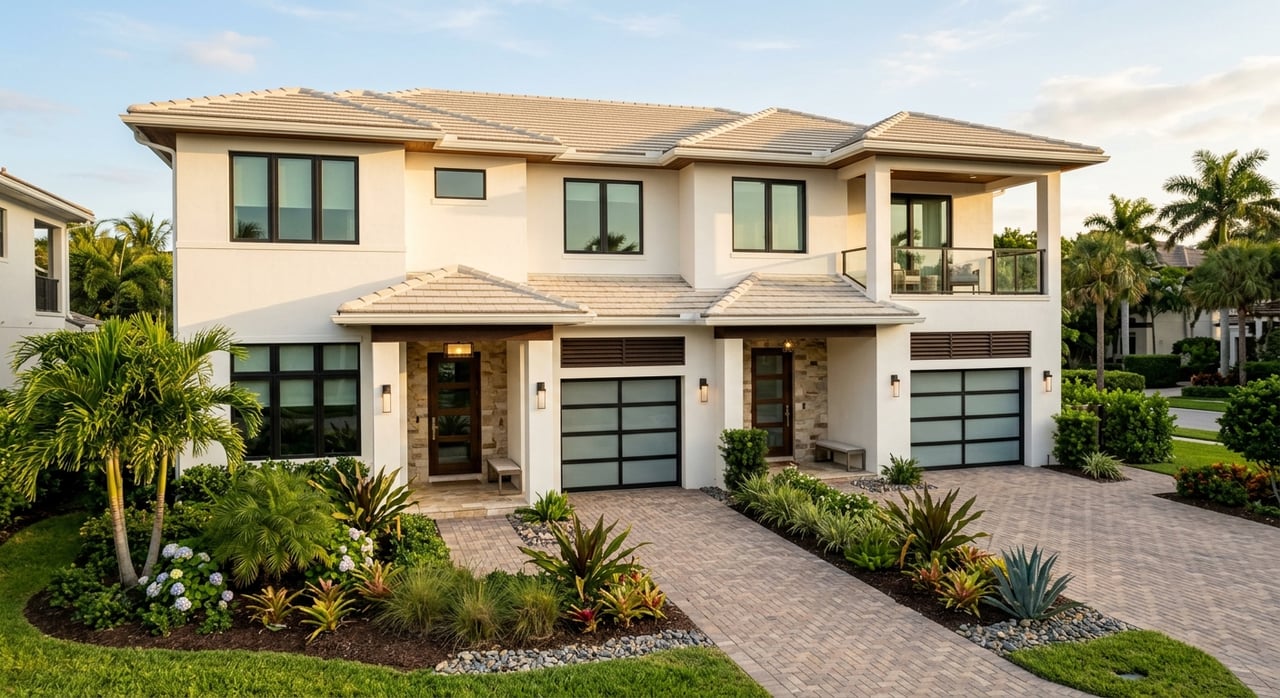
Lakewood Ranch is not just one neighborhood. It is a 35,000-plus-acre master-planned community with 36 villages, more than 150 miles of trails, and three town centers. That scale gives you real options when you are ready for more space, a different layout, or a new lifestyle within the same community.
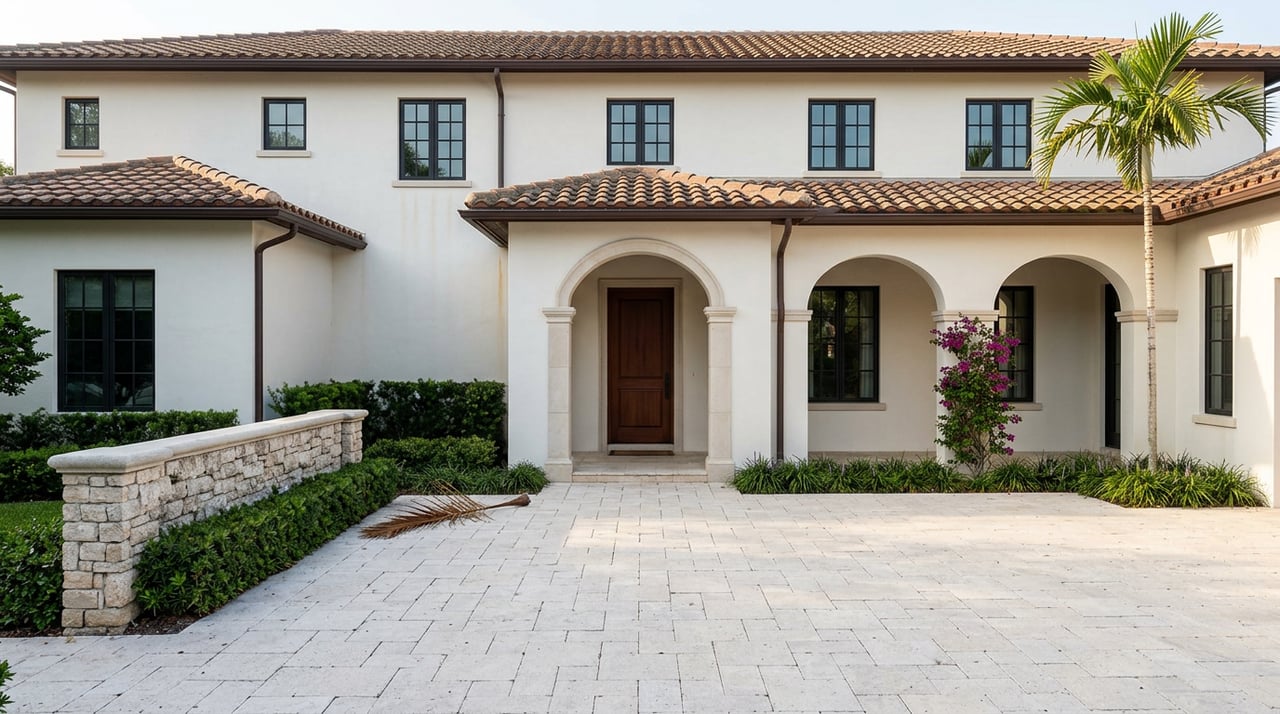
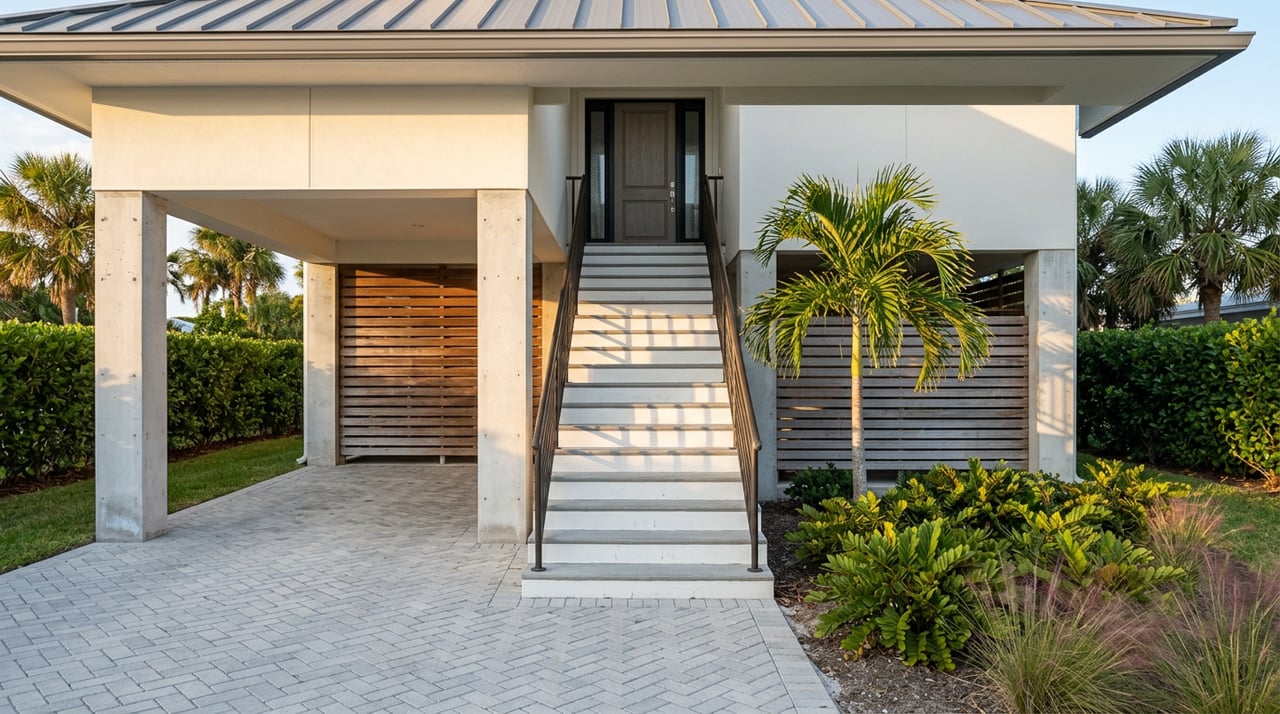
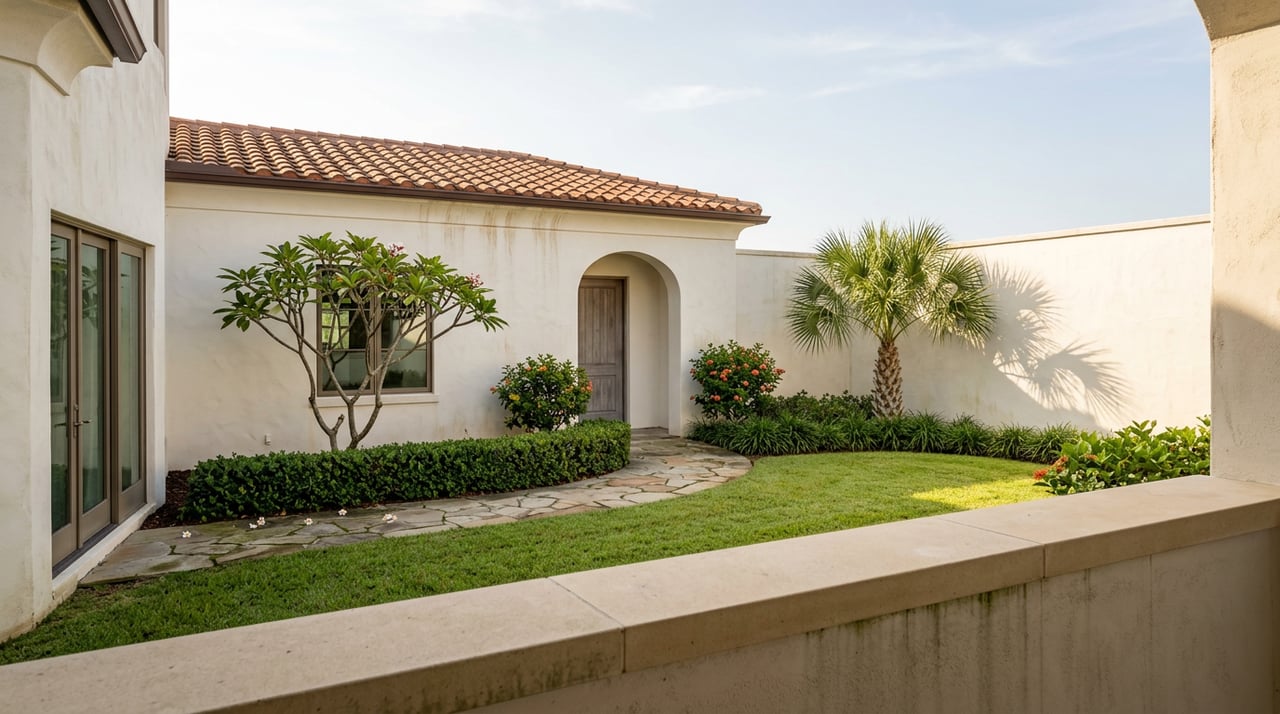
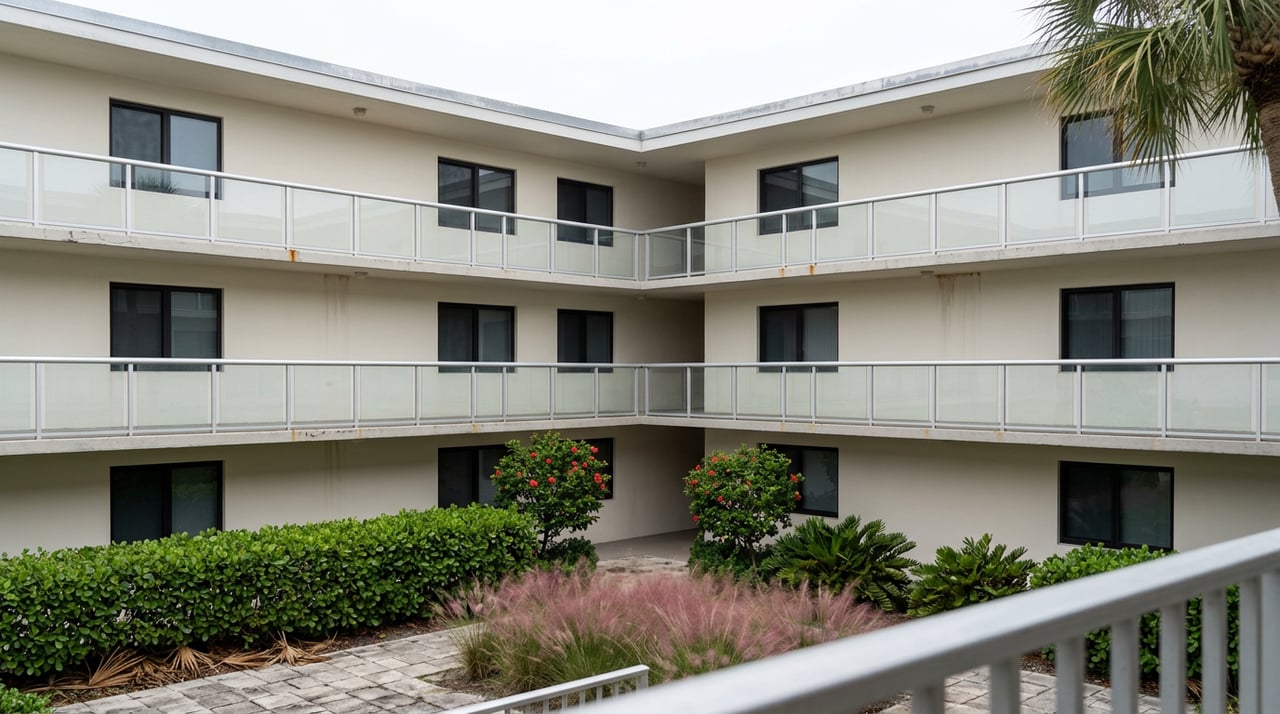
It also means your next move may involve more variables than you expect. Lakewood Ranch includes condos and townhomes, attached villas, and single-family homes, and 19 of the 36 villages are still actively selling new construction. So your move-up path could involve a resale home, a builder purchase, or a shift into a village with a different fee structure and amenity setup.
Another detail many buyers overlook is location within the Ranch itself. Villages north of University Parkway are generally in Manatee County, while villages south of University Parkway are generally in Sarasota County. If you move within Lakewood Ranch, you may still be changing county jurisdiction, which can affect local rules and planning details.
Start with your timing strategy
The biggest source of stress in a move-up transaction is usually timing. You are trying to line up two major transactions at once, and every decision affects the next one. That is why your first step should be choosing how you want to bridge the gap between selling your current home and buying your next one.
For many homeowners, selling first is the most straightforward path. Consumer guidance from the CFPB notes that people commonly sell their current home before buying another one. This route can give you a clearer picture of your available funds and reduce the risk of carrying two homes at once.
In some cases, buying before selling may still be possible. Bridge financing is a recognized structure for buyers who plan to purchase a new home and sell the current one within 12 months. When the numbers make sense, that option can give you more flexibility, especially if the right property appears before your current home closes.
There is also a middle ground. Contract tools like home sale contingencies, home close contingencies, rent-back terms, and early move-in arrangements can help coordinate the gap between transactions. These options can be useful, but they work best when they are planned before you start making offers or preparing your home for sale.
Know your true cash picture early
Equity is helpful, but it is not the whole story. Before you move up, you need a realistic view of what you can comfortably spend and what cash you will need at each stage of the process.
The CFPB notes that closing costs typically run about 2% to 5% of the purchase price, before your down payment and moving expenses are added. That means even a well-positioned move-up buyer should plan ahead for more than just the purchase itself. Storage, movers, deposits, utility setup, and overlapping housing costs can all add up.
A clear cash plan helps you answer practical questions early. Can you buy first, or do you need sale proceeds before closing on the next home? Will you need temporary housing? Are you better positioned for a resale or a new build timeline? Those answers can shape your entire strategy.
Narrow the village before the home
One of the smartest ways to reduce stress is to choose the right village before you fall in love with a specific property. In Lakewood Ranch, village-level differences matter.
Amenity centers are generally exclusive to each village, even though public parks and trails are open throughout the community. HOA fees, Stewardship District fees, rental rules, and amenity access can vary from one village to another. That means two homes with similar square footage may offer very different day-to-day experiences and carrying costs.
This step matters whether you are moving up for space, convenience, or a lifestyle change. If you want lower maintenance, more amenities, proximity to a town center, or a different home style, start by identifying the villages that align with those goals. Once that list is clear, your home search becomes much more efficient.
Compare resale, new construction, and rentals
Lakewood Ranch gives move-up buyers several ways to make a transition work. The best path depends on your timeline, budget, and tolerance for uncertainty.
Resale homes
A resale home can be a strong option if you want a quicker move or a well-established village. You may also have more room to coordinate contract terms like inspection periods, closing dates, or occupancy timing. That flexibility can be valuable when you are trying to line up a sale and purchase.
New construction
With 19 villages still actively selling new construction, builder inventory may be part of your move-up search. A new home can offer updated finishes and less immediate maintenance, but the timeline may not match your current home sale perfectly. Builder communication, deposit planning, and milestone tracking become especially important here.
Temporary rentals
If the timing does not line up cleanly, a rental can serve as a useful landing spot. Lakewood Ranch notes that rental options include apartments, townhomes, and single-family homes. Traditional rental neighborhoods typically start at 7-month leases, while many short-term or seasonal rentals are private homes with a minimum stay of 30 days, and some villages require longer minimums.
For some homeowners, this short-term step removes pressure from both sides of the transaction. You can sell cleanly, move once into a temporary property, and buy your next home without rushing.
Use contingencies strategically
Contingencies often get a bad reputation, but they are simply tools to manage risk and timing. In a move-up situation, they can be especially useful when used carefully.
A home sale contingency can protect you if you need your current home to sell before you can complete the next purchase. A home close contingency can help if you need the funds from your sale to close on the next property. Financing, appraisal, inspection, title, homeowners insurance, and HOA-review contingencies can also protect you as deadlines unfold.
It is important to understand how sellers may respond. Sellers can continue to show their home while your contingent offer is in place, and a kick-out clause may allow them to accept a better non-contingent offer unless you can move forward without the contingency. In other words, contingent offers can work, but they need to be written with a realistic strategy behind them.
Keep inspections and closing dates calendar-driven
Stress usually grows when deadlines are vague. The more dates you can define early, the easier it is to manage the process.
Inspection timelines deserve close attention. An inspection contingency gives you time to understand the condition of the property and negotiate repairs before closing. Depending on the home, additional inspections such as termite or pool inspections may also be relevant.
Closing preparation matters just as much. The CFPB says buyers should receive the Closing Disclosure at least three business days before closing, and it recommends a final walk-through before signing. It also helps to arrange utilities and address changes before closing day so your move feels more controlled and less reactive.
Do not overlook Florida homestead portability
If your current home is your Florida homestead, tax planning should be part of your move-up checklist. This is one of those details that is easy to forget until after the move, but it can affect your long-term costs.
According to the Florida Department of Revenue, the homestead exemption itself does not transfer to a new property. However, eligible homeowners may transfer all or part of their Save Our Homes assessment difference to a new Florida homestead through portability.
To pursue portability, you must file Form DR-501T with your homestead application Form DR-501 by March 1 of the first year after moving. If this applies to you, it is worth building that deadline into your post-closing plan right away.
A smoother move starts with coordination
Moving up within Lakewood Ranch is rarely just about finding a bigger or better house. It is about coordinating pricing, timing, village selection, financing, inspections, closing logistics, and your backup plan if one piece shifts.
Lakewood Ranch’s own Realtor FAQ notes that many homeowners choose to work with real estate professionals to help facilitate the process, manage communication with builders, and explain Florida-specific issues. That kind of coordination can make a major difference when you are trying to keep two transactions aligned and your daily life on track.
If you are thinking about your next step in Lakewood Ranch, the best place to begin is with a clear plan for your current home, your target village, and your timing options. When you approach the move in the right order, the process feels more manageable and the decisions become much easier. If you want tailored guidance on selling, buying, new construction, or even a temporary leasing strategy during your transition, connect with Shane Lewis for a clear, locally informed game plan.
FAQs
What makes moving within Lakewood Ranch different from a typical move-up purchase?
- Lakewood Ranch includes 36 villages with different fees, amenity access, rental rules, and in some cases different county jurisdictions, so moving within the community can still involve major planning differences.
Can you make a contingent offer when moving up in Lakewood Ranch?
- Yes. Home sale, home close, financing, appraisal, inspection, title, insurance, and HOA-review contingencies are standard tools, but sellers may keep showing the property and may use a kick-out clause.
Should you sell your current Lakewood Ranch home before buying the next one?
- Many homeowners choose to sell first because it clarifies available funds and reduces the chance of carrying two homes, but bridge financing or contingency-based strategies may also work depending on your situation.
Are temporary rentals available in Lakewood Ranch during a move?
- Yes. Lakewood Ranch says rentals include apartments, townhomes, and single-family homes, but lease lengths and minimum rental periods vary by village and rental type.
Do village fees and amenities stay the same across Lakewood Ranch?
- No. Village-level HOA fees, Stewardship District fees, amenity access, and rental terms can differ, so it is important to compare villages before choosing your next home.
Can moving within Lakewood Ranch change your local rules or county jurisdiction?
- Yes. Villages north of University Parkway are generally in Manatee County, while villages south of University Parkway are generally in Sarasota County, so an in-community move can still change county jurisdiction.
What should you know about Florida homestead portability when moving?
- The homestead exemption itself does not transfer, but eligible homeowners may transfer all or part of the Save Our Homes assessment difference by filing Form DR-501T with Form DR-501 by March 1 of the first year after moving.
When should you start preparing for closing on a Lakewood Ranch move-up home?
- Start early. Buyers should receive the Closing Disclosure at least three business days before closing, complete a final walk-through before signing, and arrange utilities and address changes before closing day.