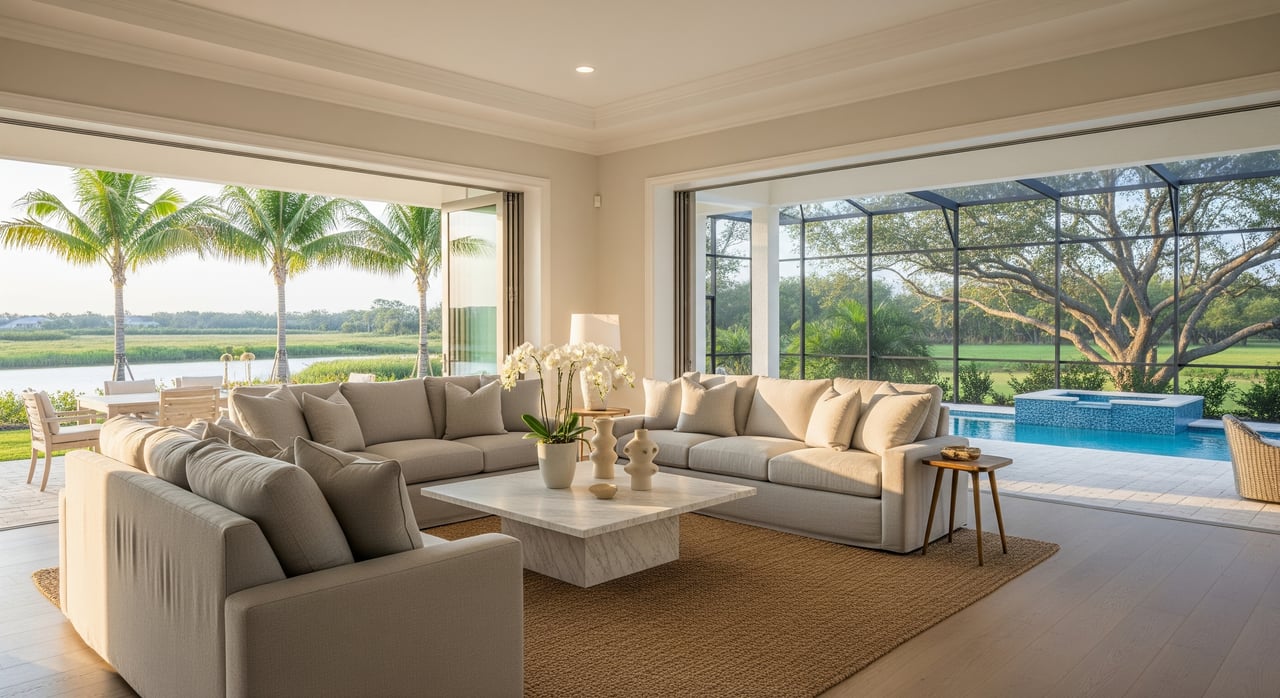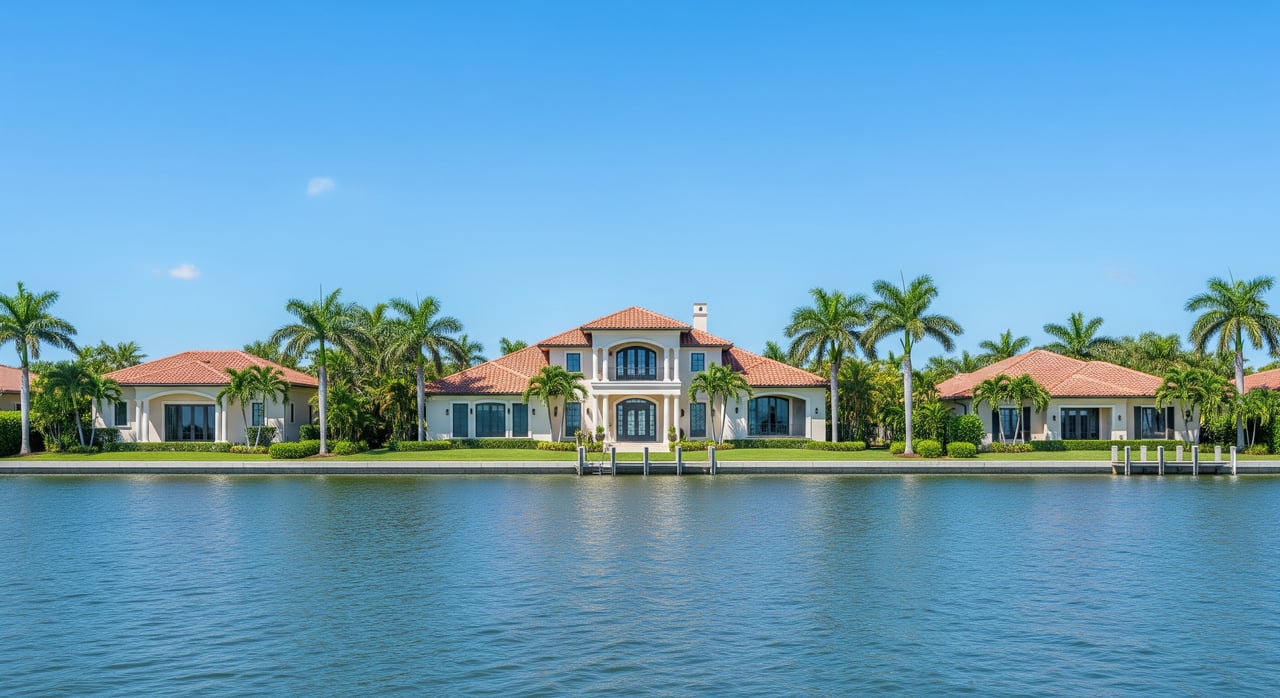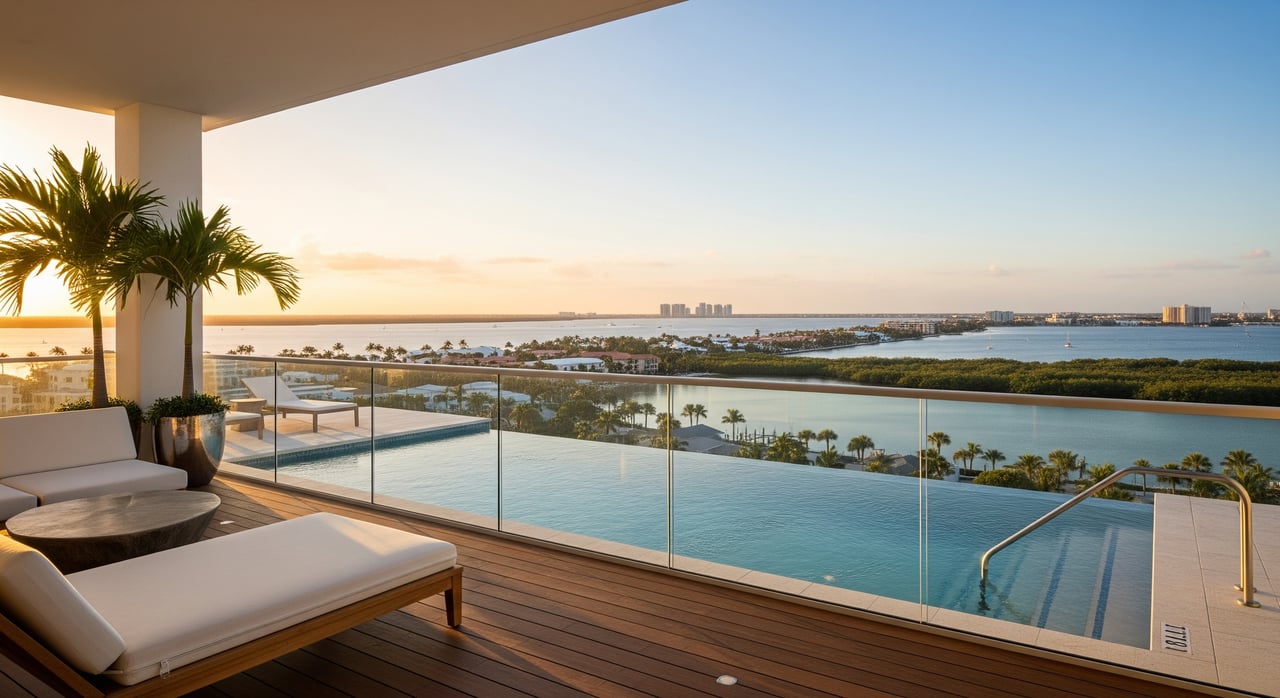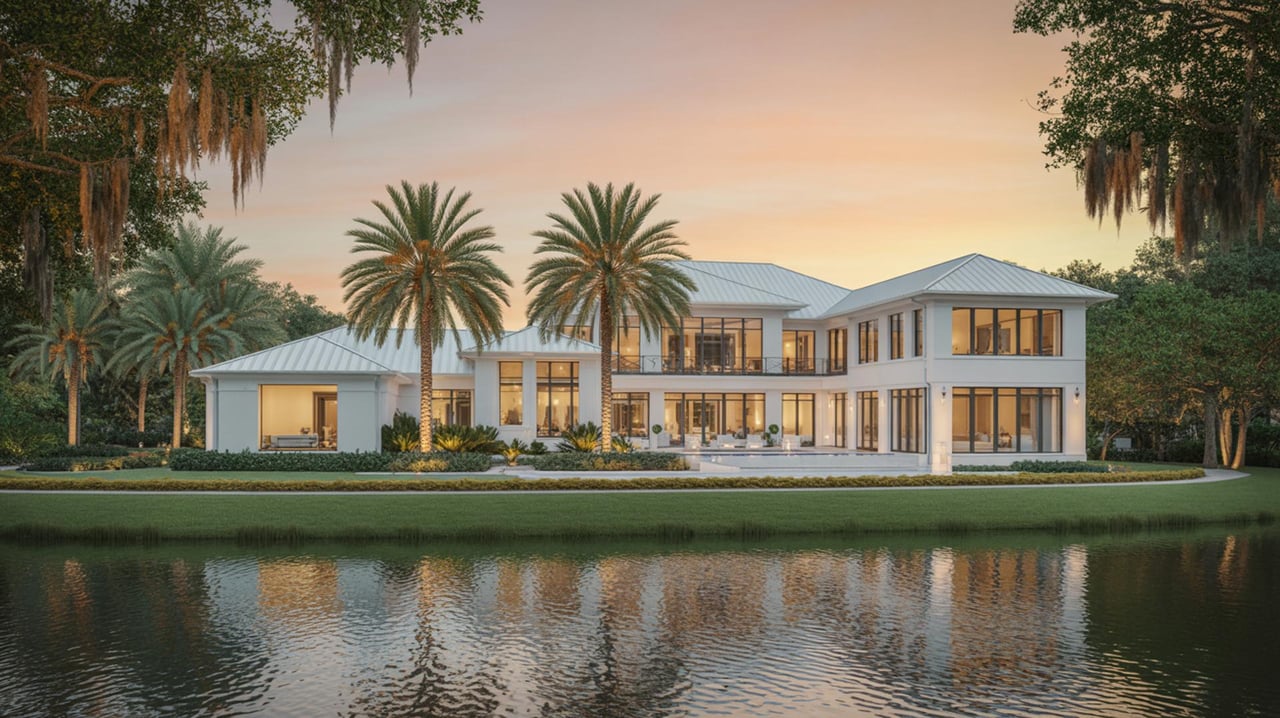
Trying to choose between a condo and a cottage on Siesta Key? It is a common question, and the answer is more nuanced than many buyers expect. Your best fit depends on how you want to live, how much upkeep you want to handle, and how closely you need to watch future costs like association reserves, inspections, and storm-related planning. If you want to make a smart island purchase with fewer surprises, this guide will help you compare the tradeoffs clearly. Let’s dive in.
Why property type matters on Siesta Key
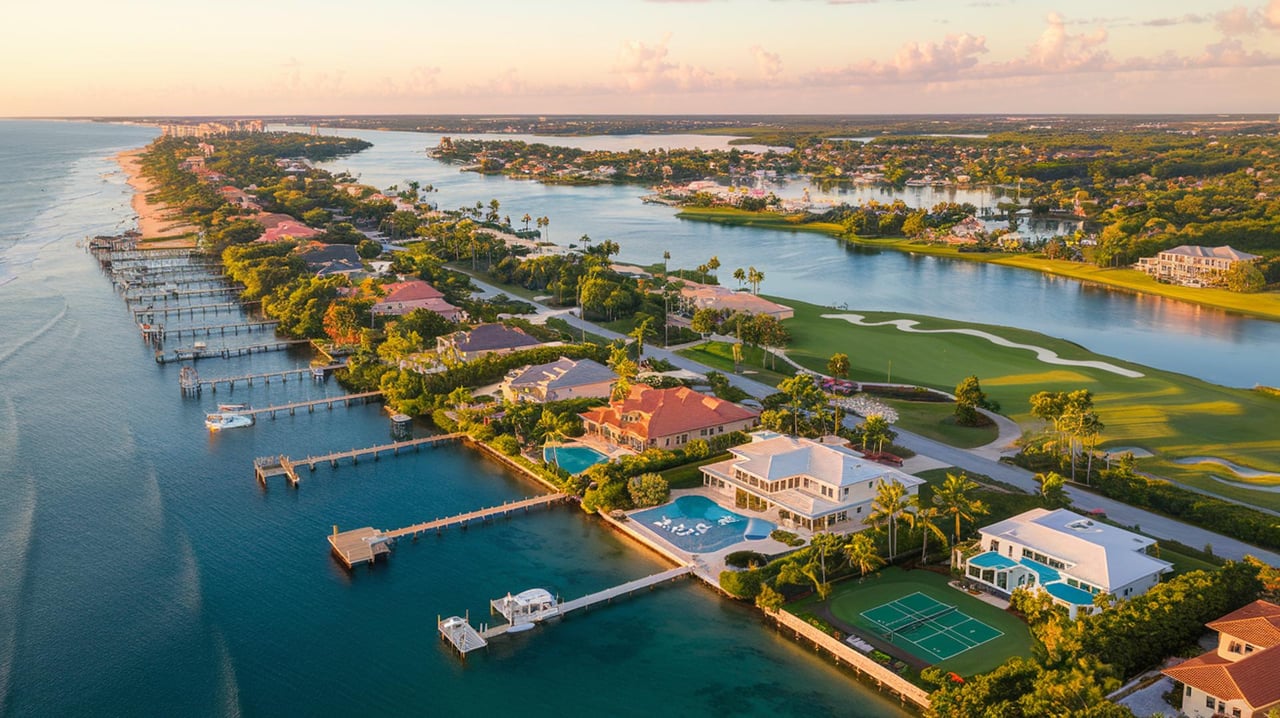
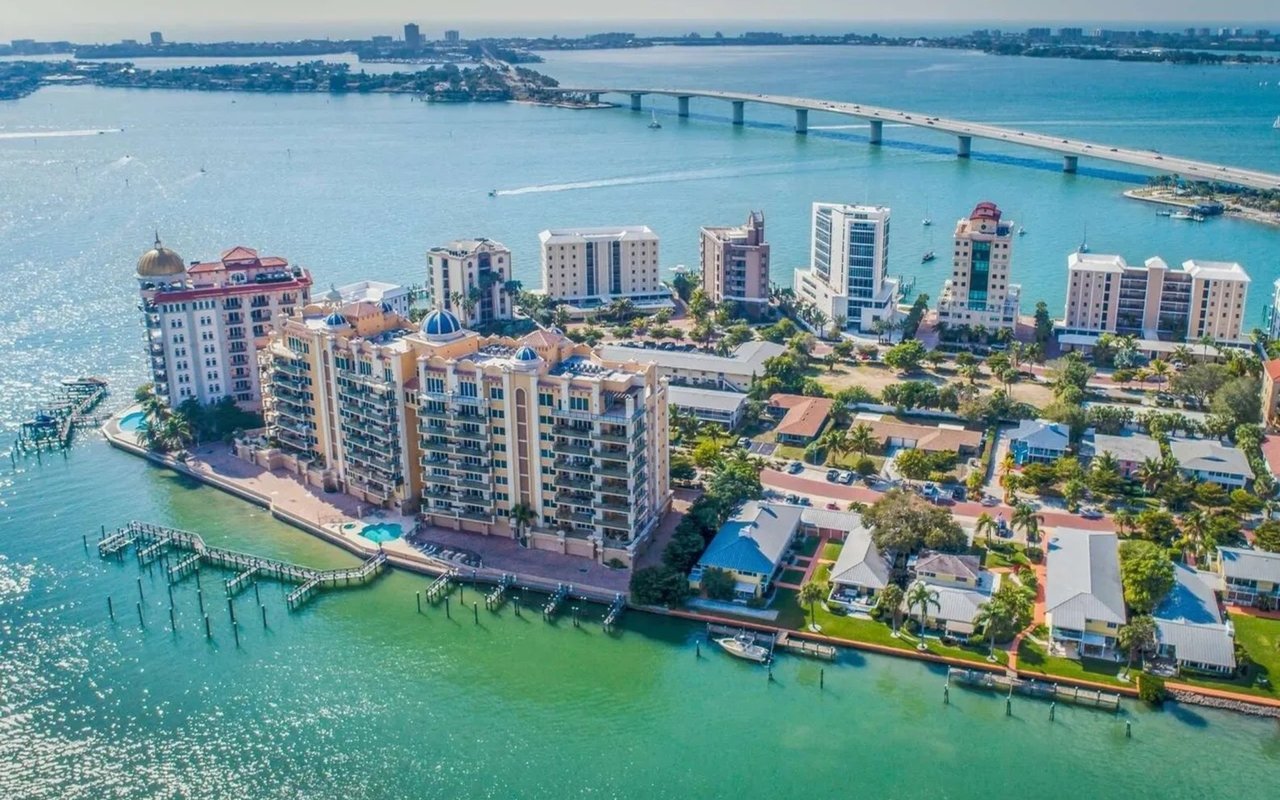
Siesta Key is a barrier island in unincorporated Sarasota County, and two bridges connect the island to the mainland. That geography shapes daily life in ways buyers should take seriously, especially when you are comparing convenience, access, and long-term ownership costs.
Lifestyle on the island is also tied to how easily you can reach the places you care about most. Sarasota County’s free 77 Siesta Islander trolley connects downtown Sarasota, Siesta Key Village, Siesta Beach, South Village, and Turtle Beach Park & Campground, so walkability and transit access can matter just as much as square footage.
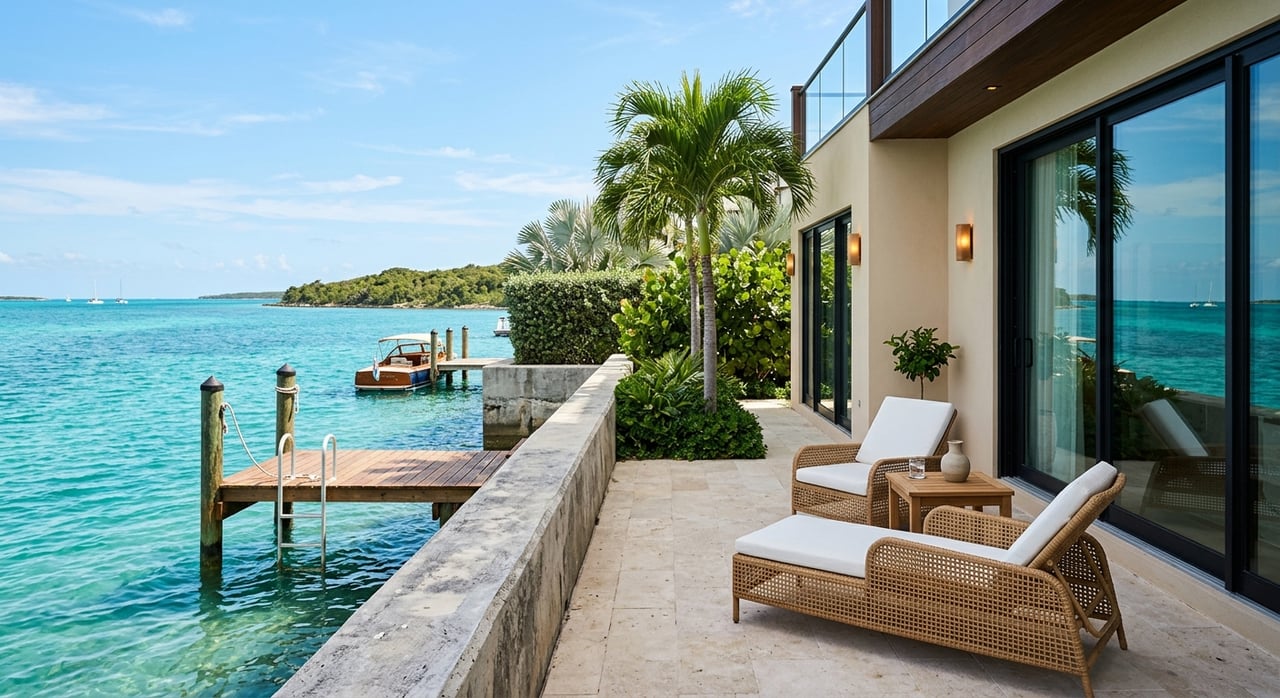
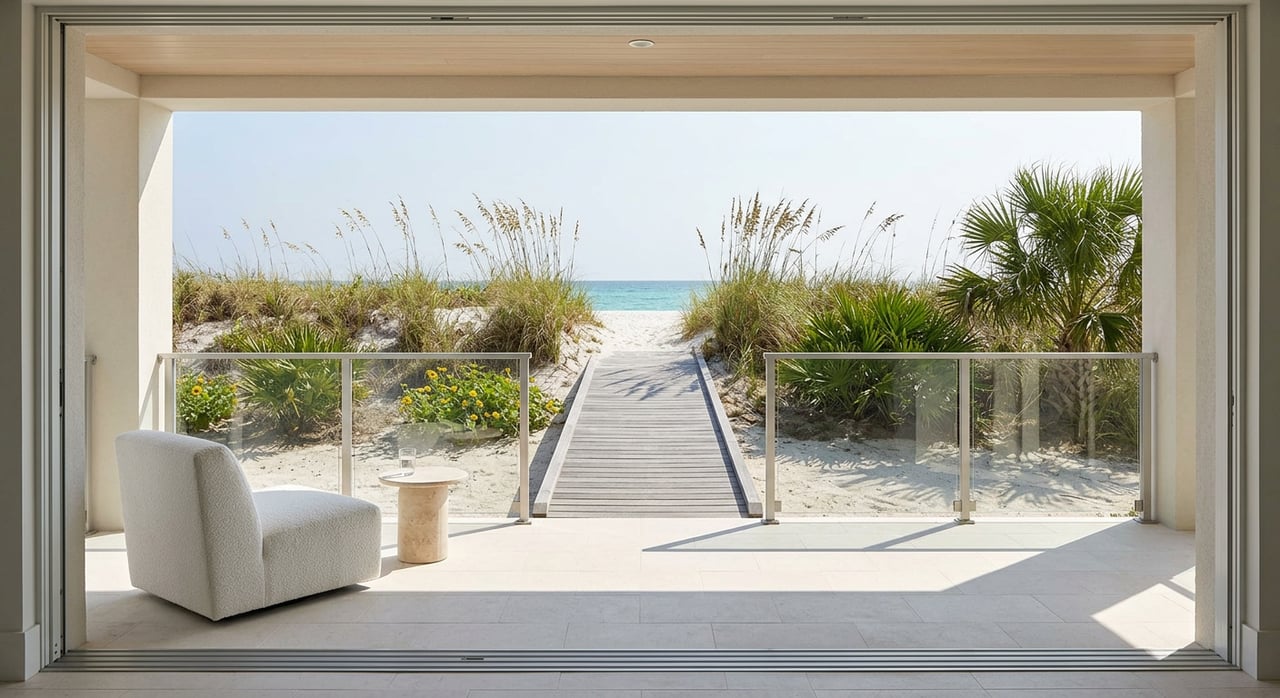
Beach proximity can be tricky too. Public access is not the same everywhere, and some access points are pedestrian-only or have very limited parking. That means a home that looks close to the beach on a map may still come with different day-to-day logistics than you expect.
What a Siesta Key condo usually offers
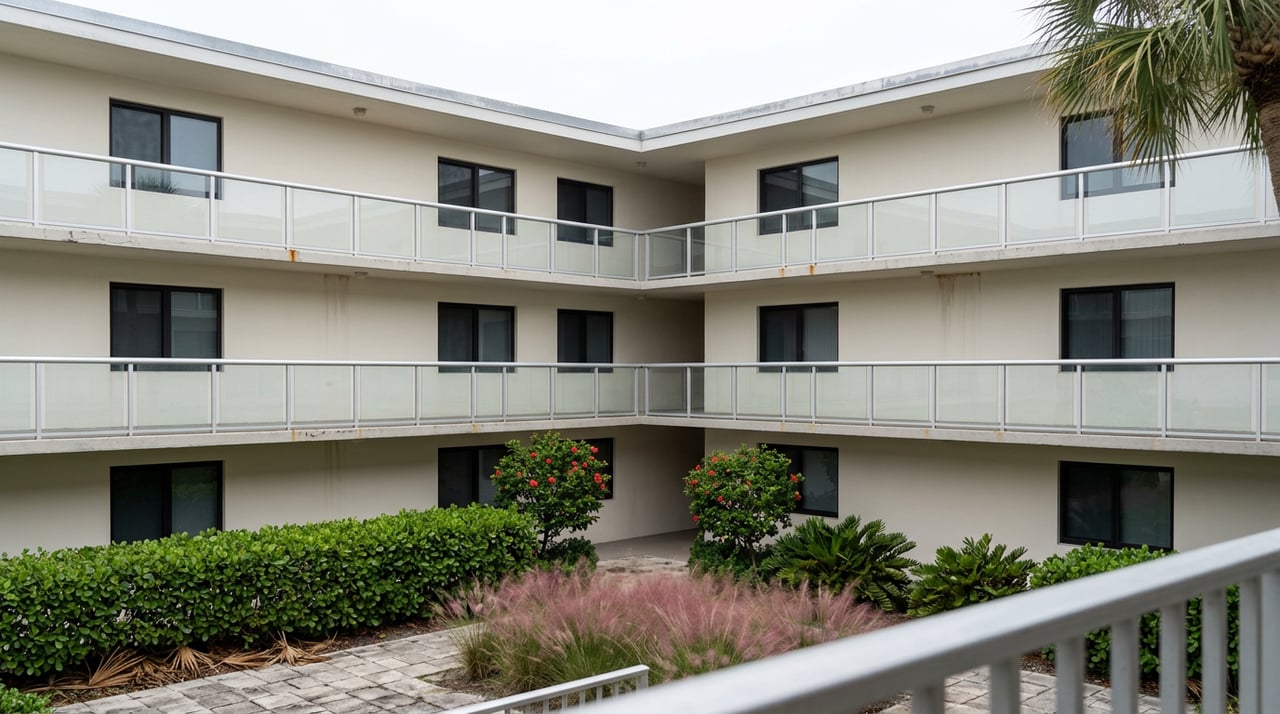
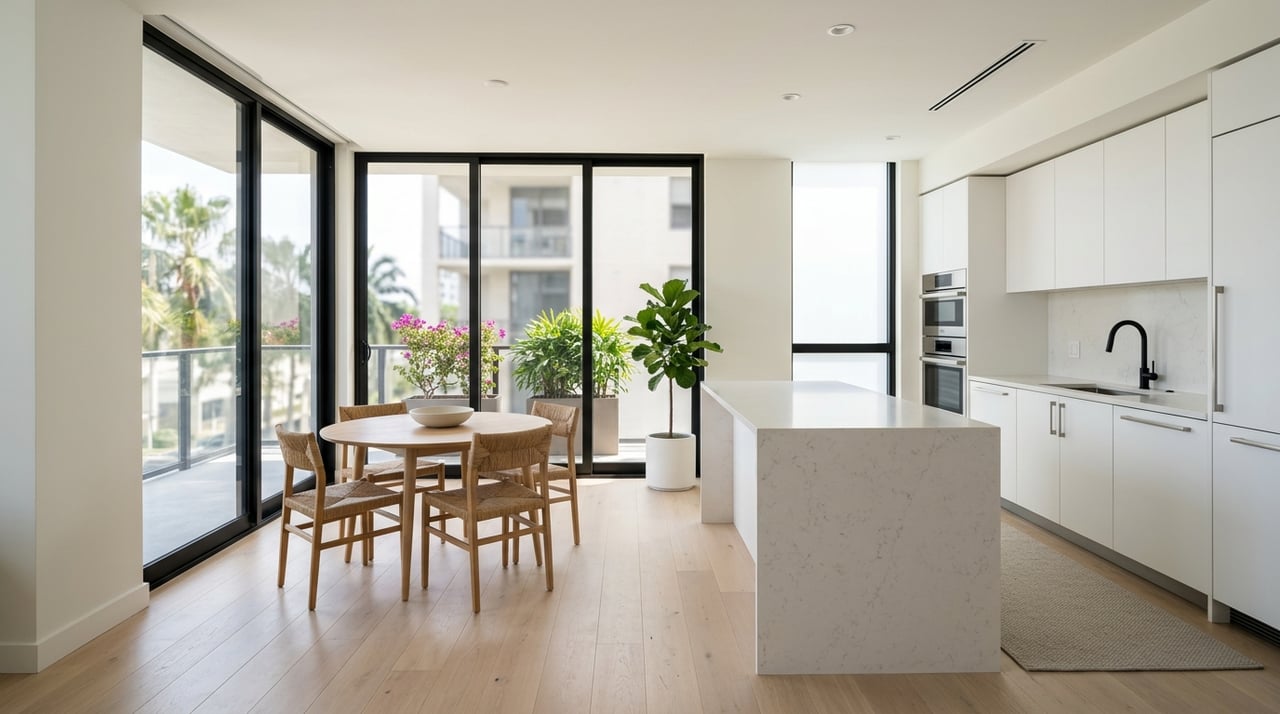
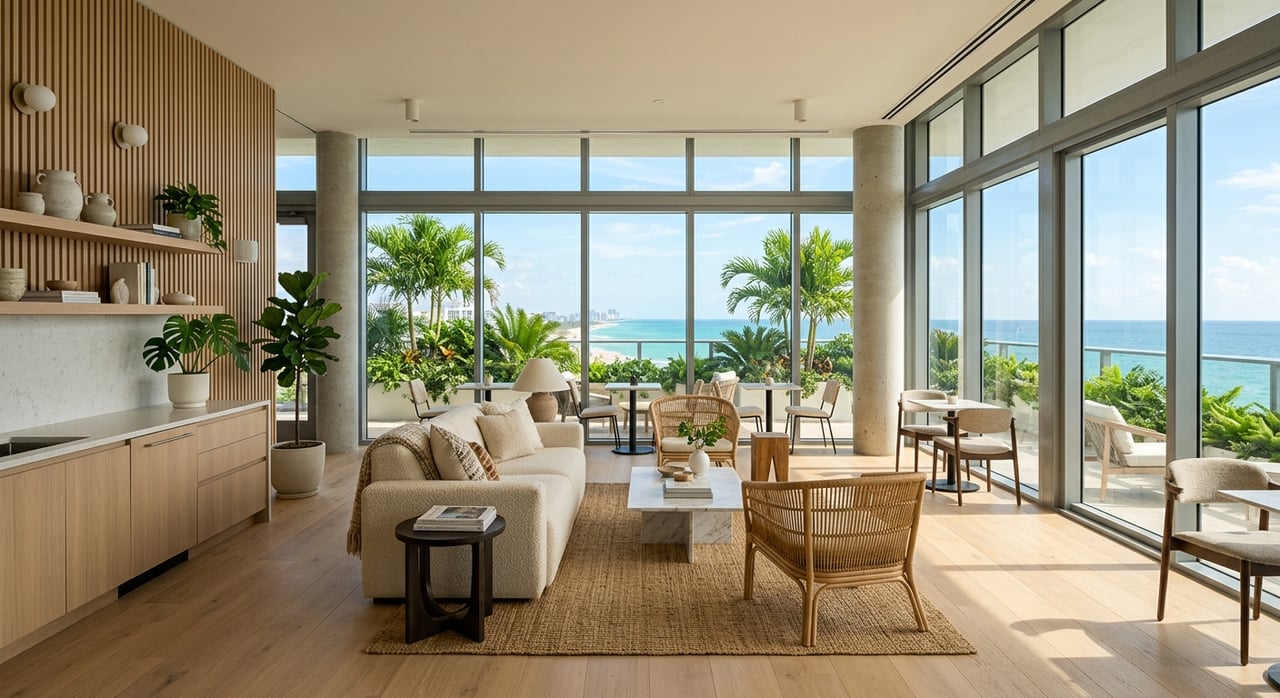
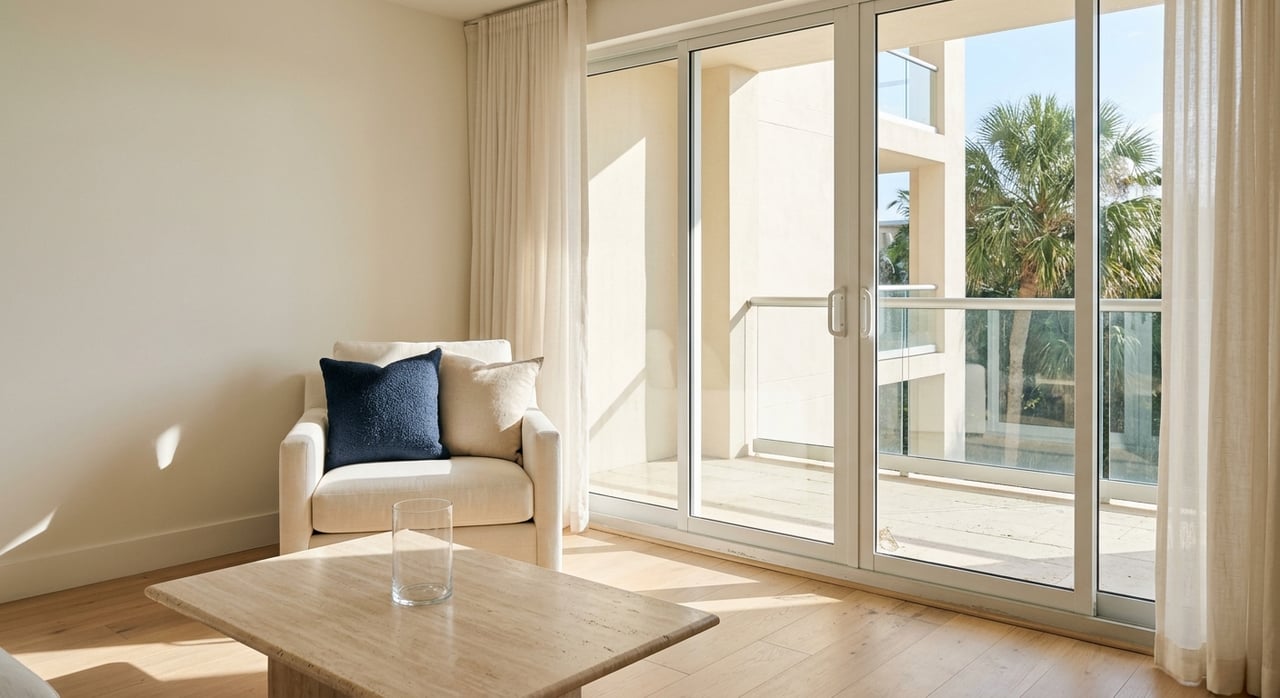
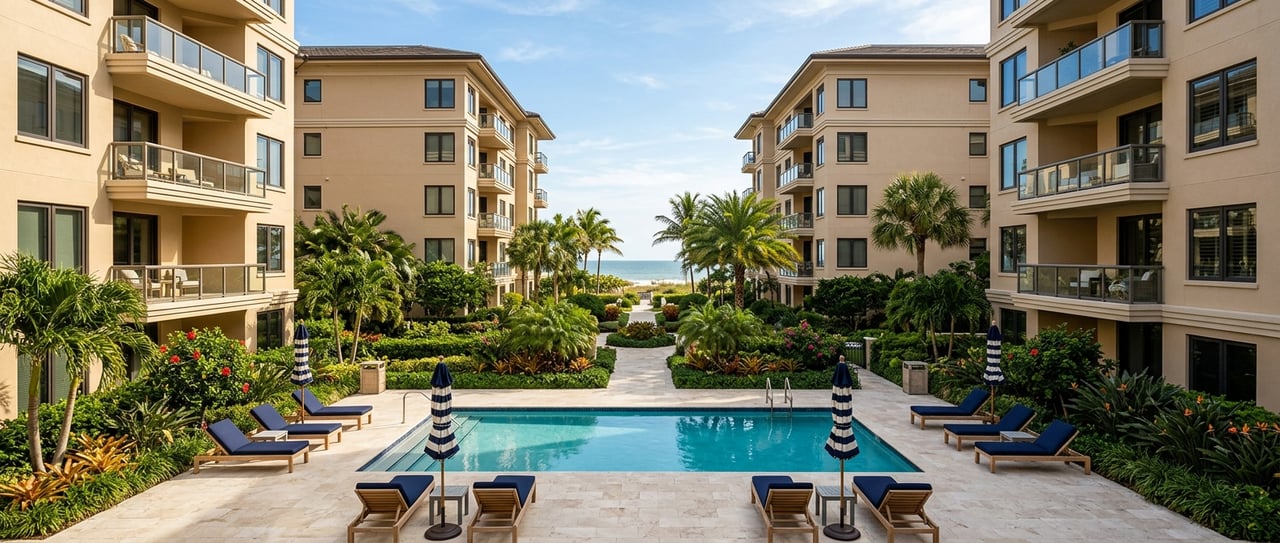
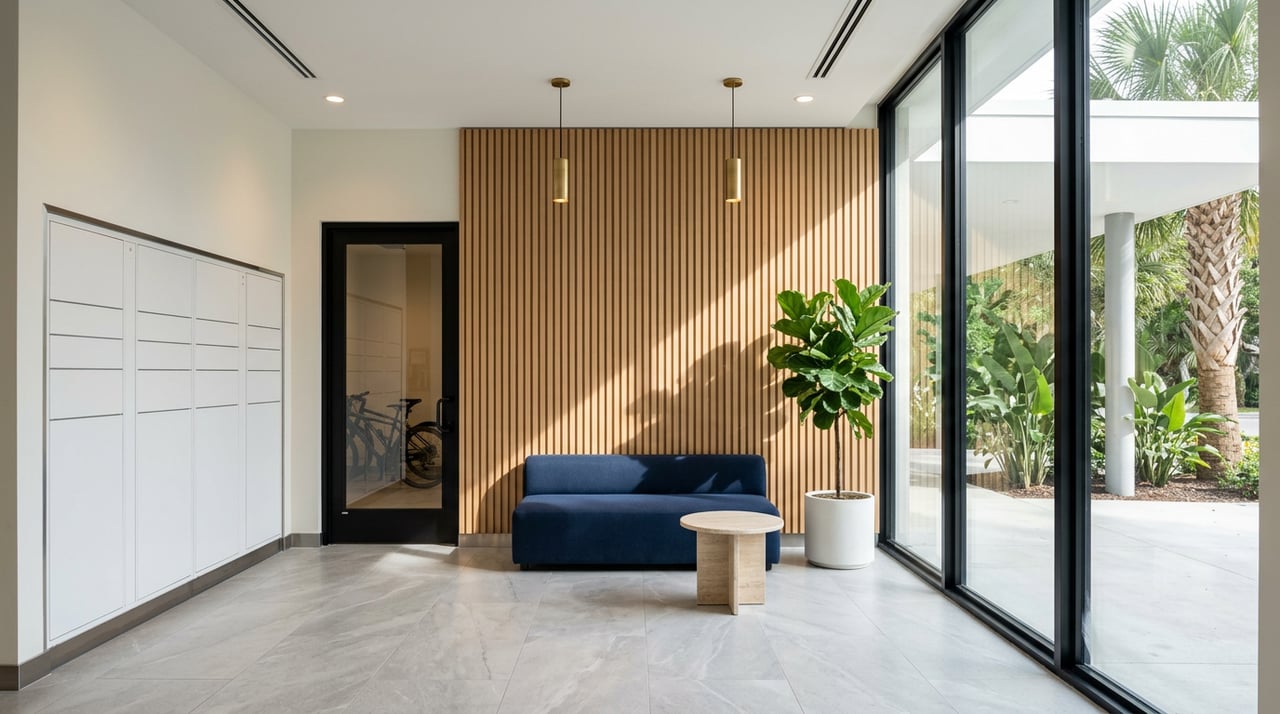
A condo can be a strong fit if you want a more streamlined ownership experience. Under Florida law, condominium ownership usually means you own your unit and share ownership of the common elements with the other owners.
That setup affects maintenance. In general, the association is responsible for maintaining, repairing, and replacing common elements, while interior maintenance is usually not the association’s responsibility. For many buyers, that makes condos feel more manageable for part-time living or a lock-and-leave lifestyle.
Condo convenience and shared upkeep
If your priority is simple day-to-day upkeep, a condo often checks that box. Shared systems and common spaces are handled at the association level, which can reduce the amount of hands-on work you manage yourself.
That convenience is one reason condos are popular with second-home buyers and seasonal owners on Siesta Key. You may spend less time coordinating exterior issues and more time enjoying the island.
Condo costs to review closely
On Siesta Key, one of the most important condo questions is not just the monthly fee. It is whether the building’s reserves, inspections, and future repair obligations are in good shape.
Florida law requires residential condo associations with buildings three habitable stories or higher to maintain a structural integrity reserve study at least every 10 years. The law also connects reserve funding to milestone-inspection repairs and warns that waiving reserves may lead to special assessments.
For you as a buyer, that means association documents are not background paperwork. They are a core part of understanding the true cost of ownership.
Condo rules and rental limits
If you are considering rental use, do not assume all condos work the same way. Florida requires disclosure documents that include the declaration, bylaws, rules, budgets, management agreements, the most recent structural integrity reserve study or a statement that none has been completed, and the inspector-prepared summary of any milestone inspection report.
Those materials also include use restrictions, which may cover topics like pets or leasing. So even though Florida law defines a vacation rental to include a condominium unit used as transient public lodging, the specific condo documents may still limit how and when leasing is allowed.
What a Siesta Key cottage usually offers
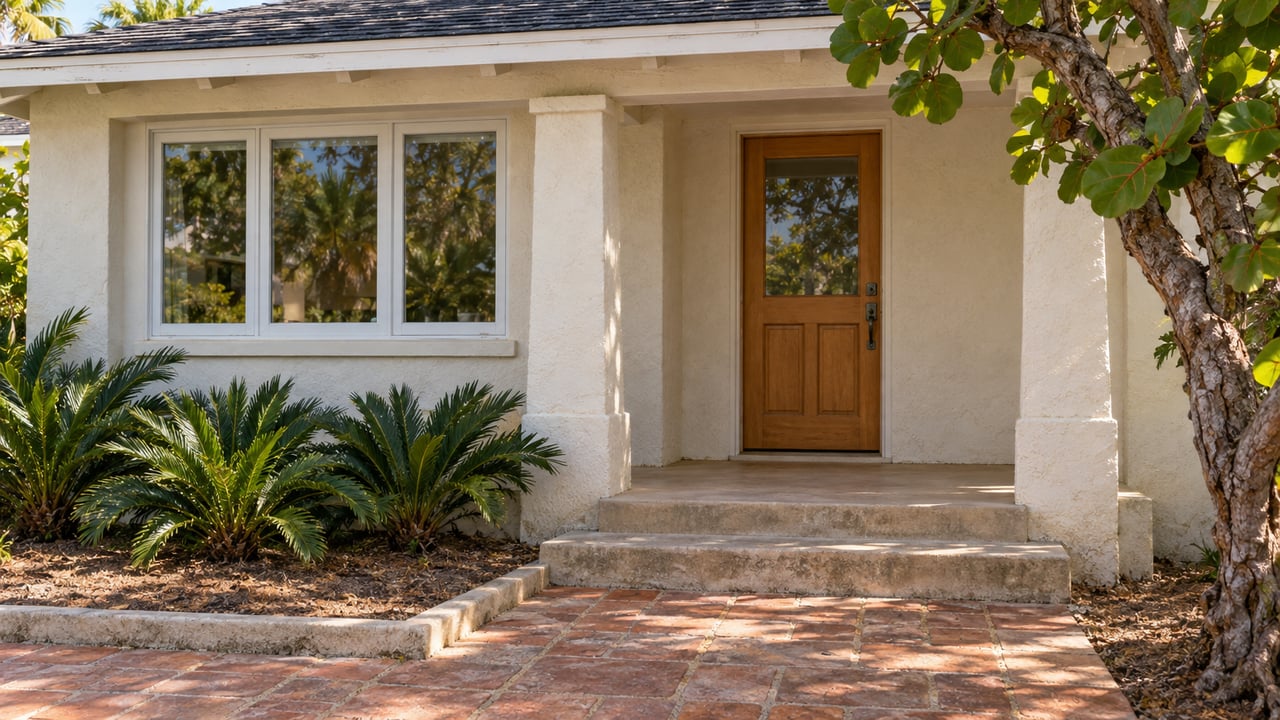
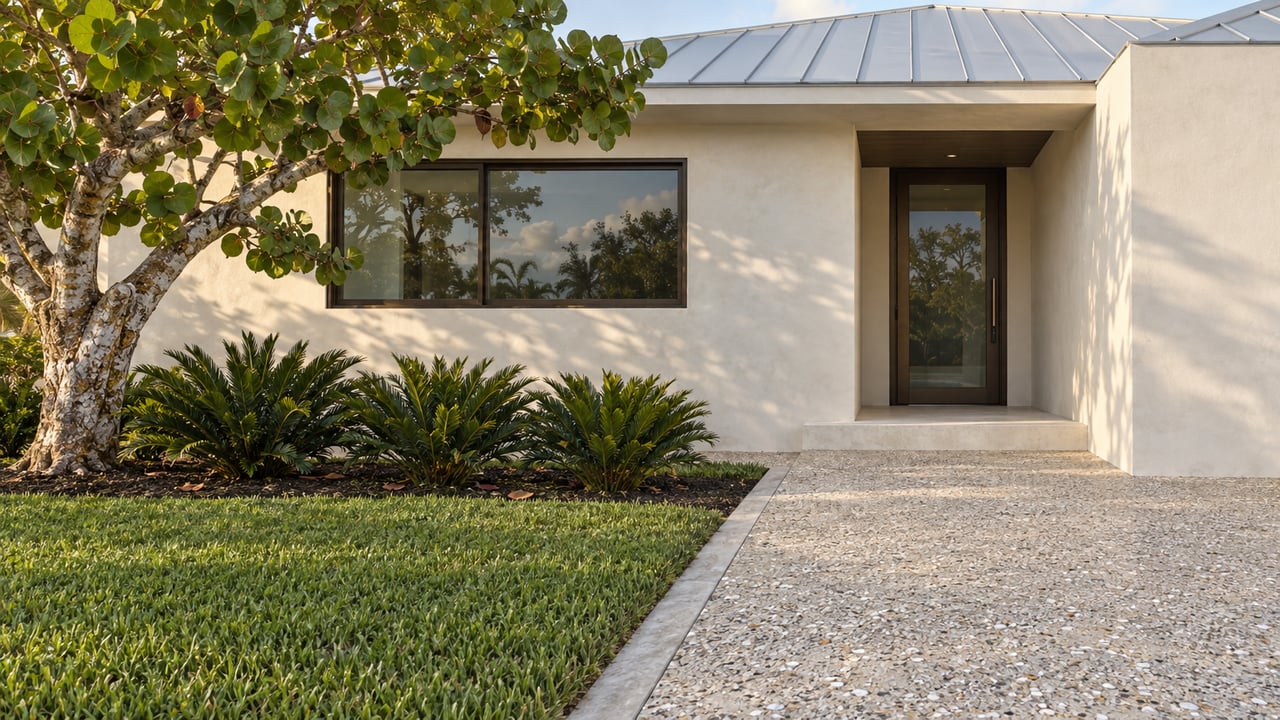
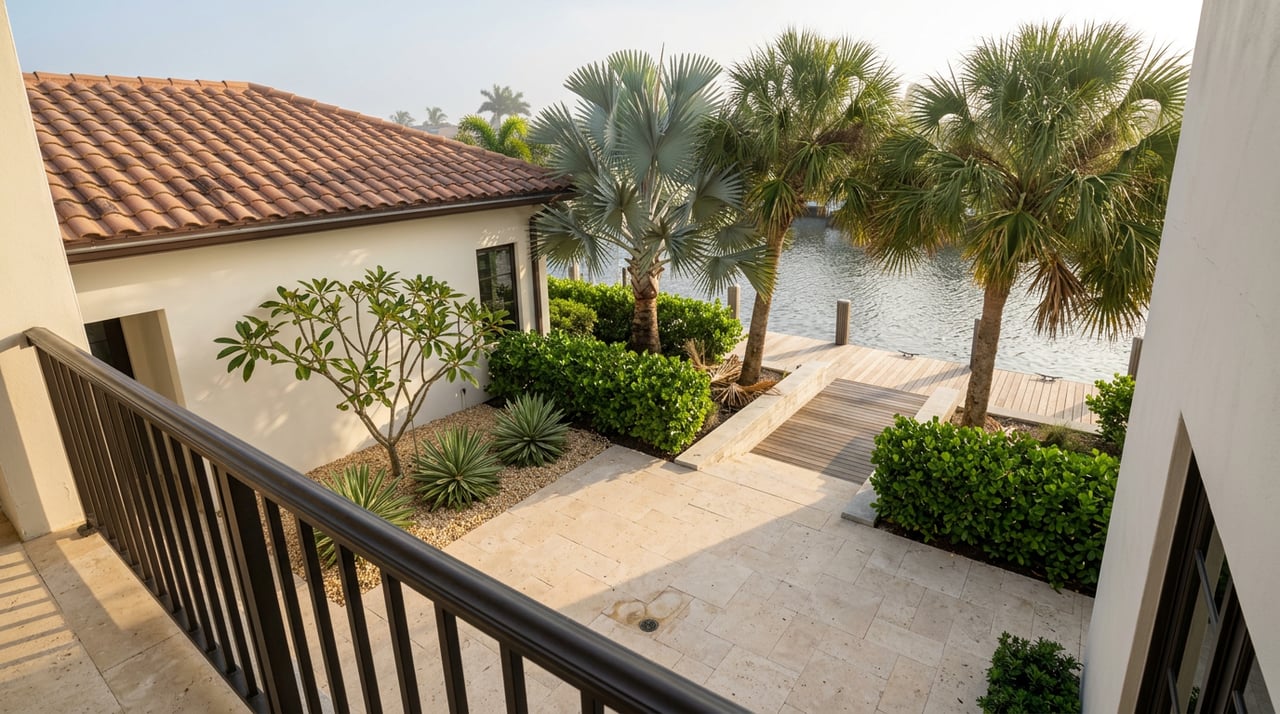
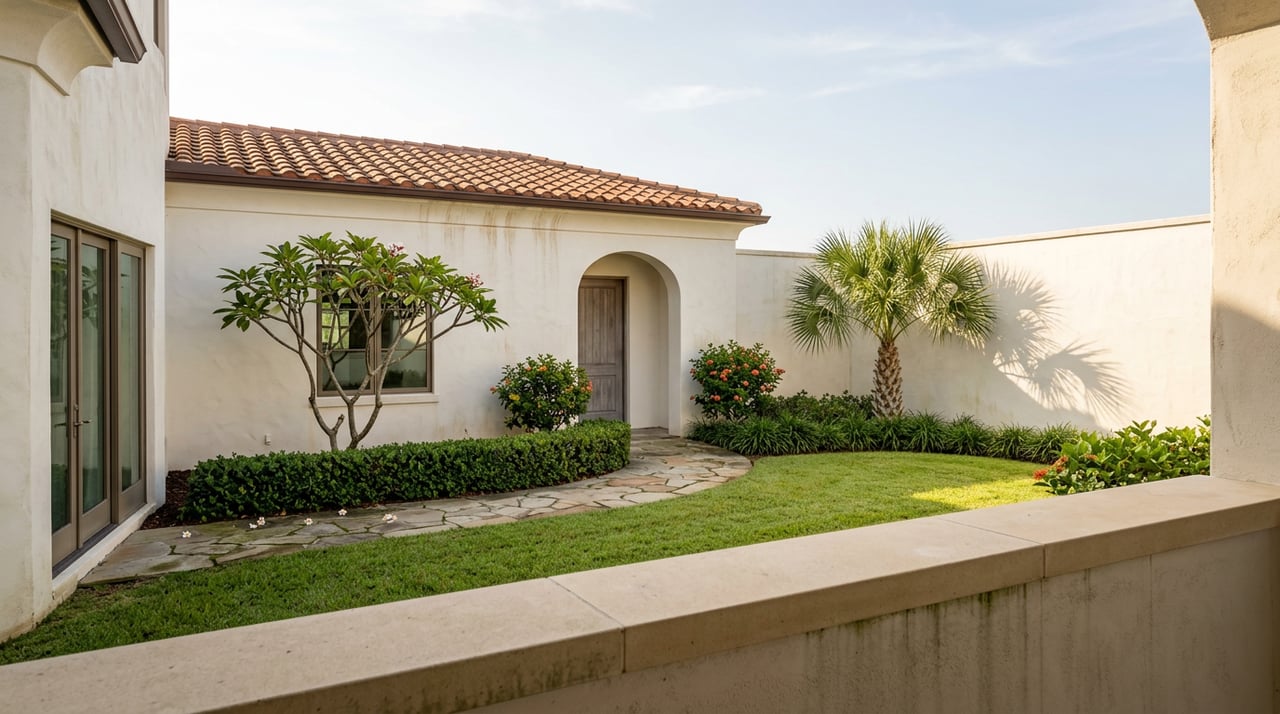
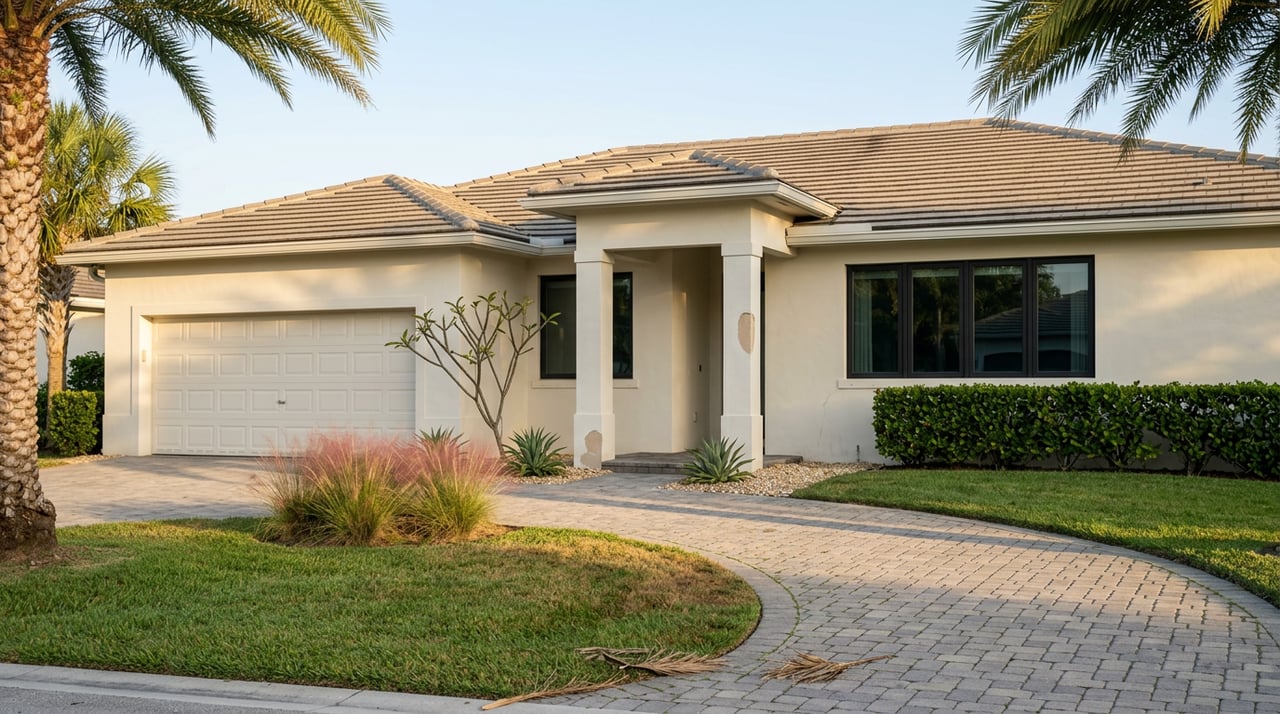
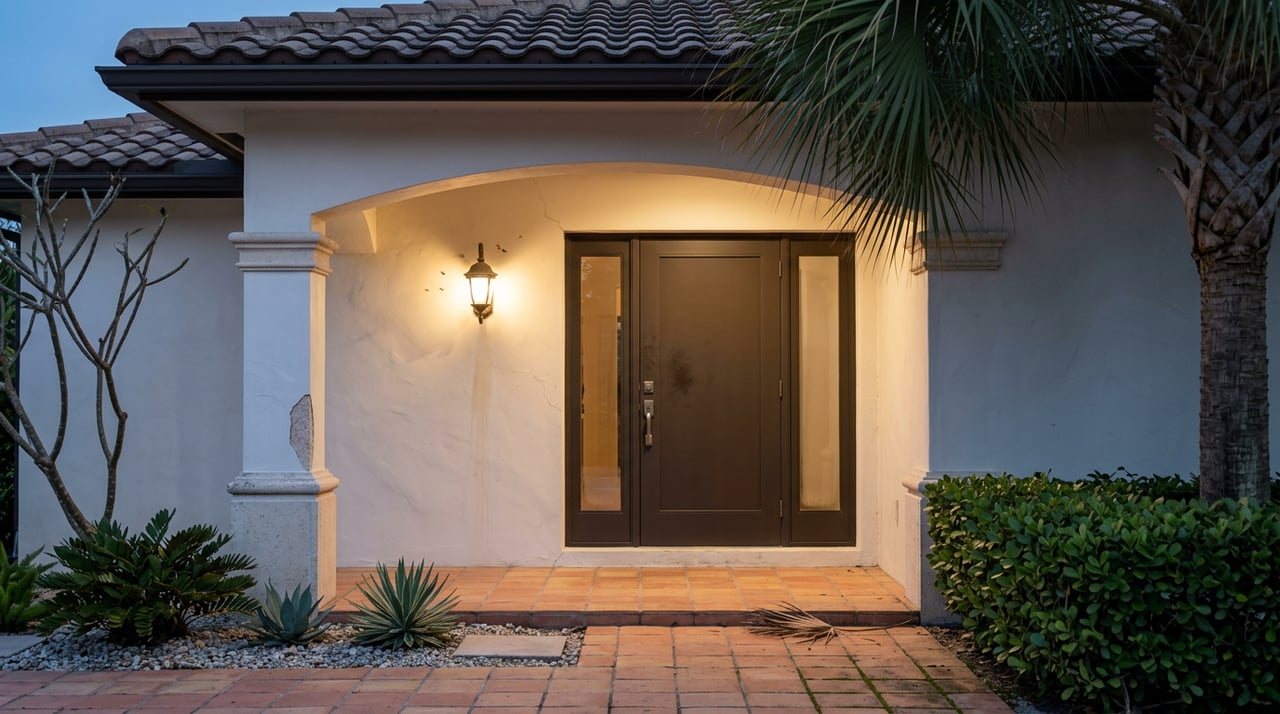
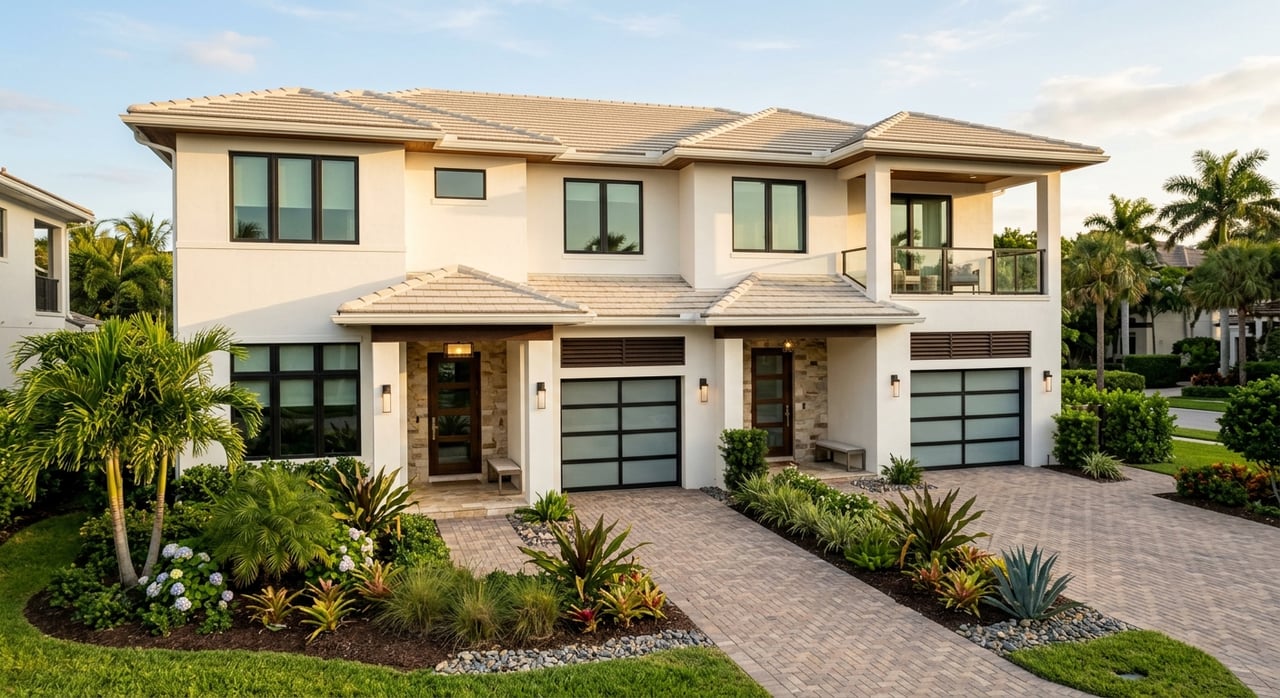
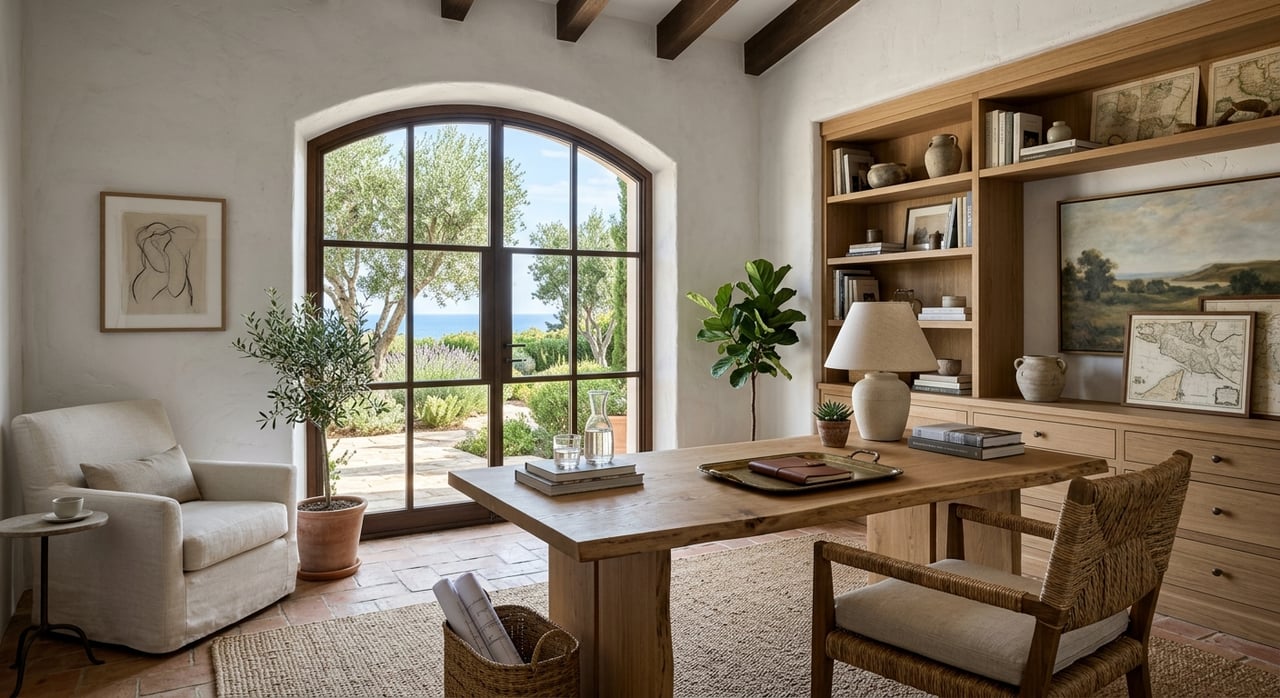
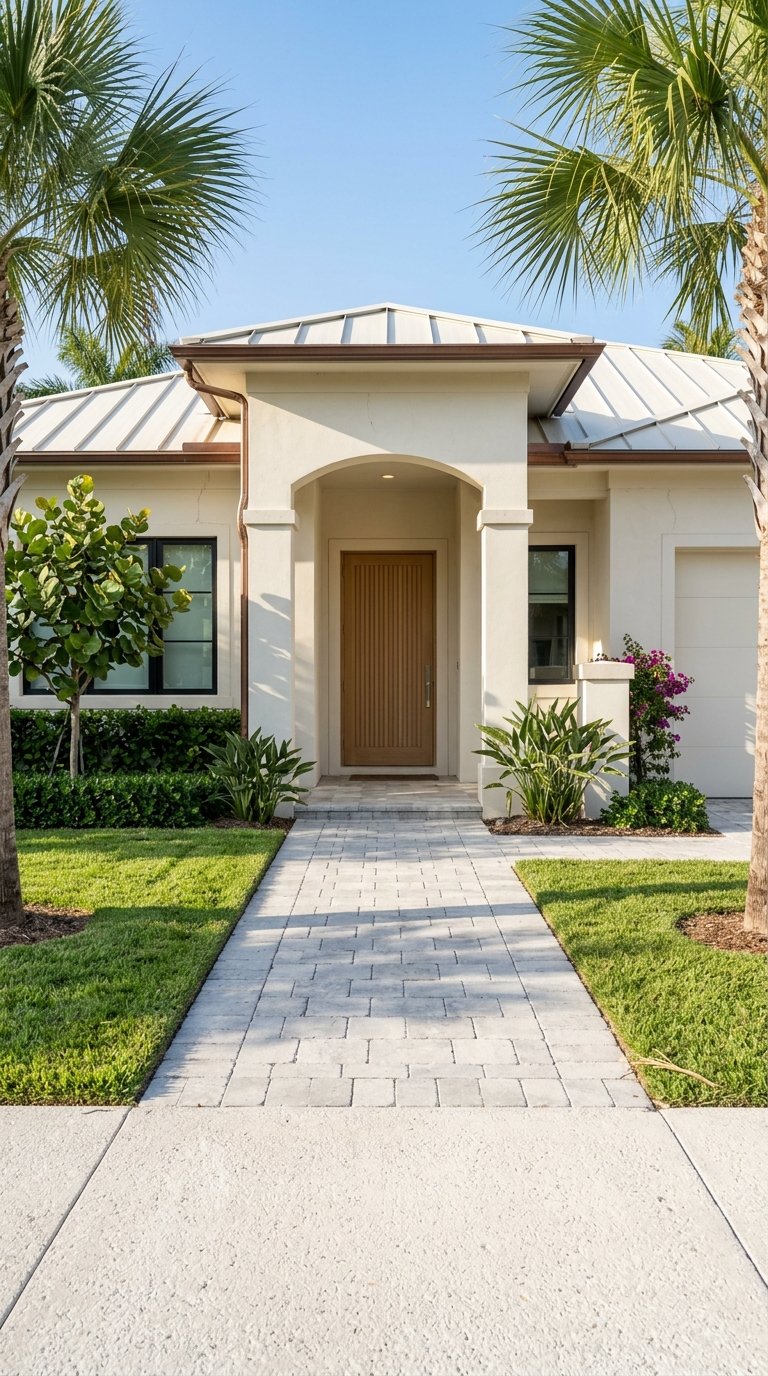
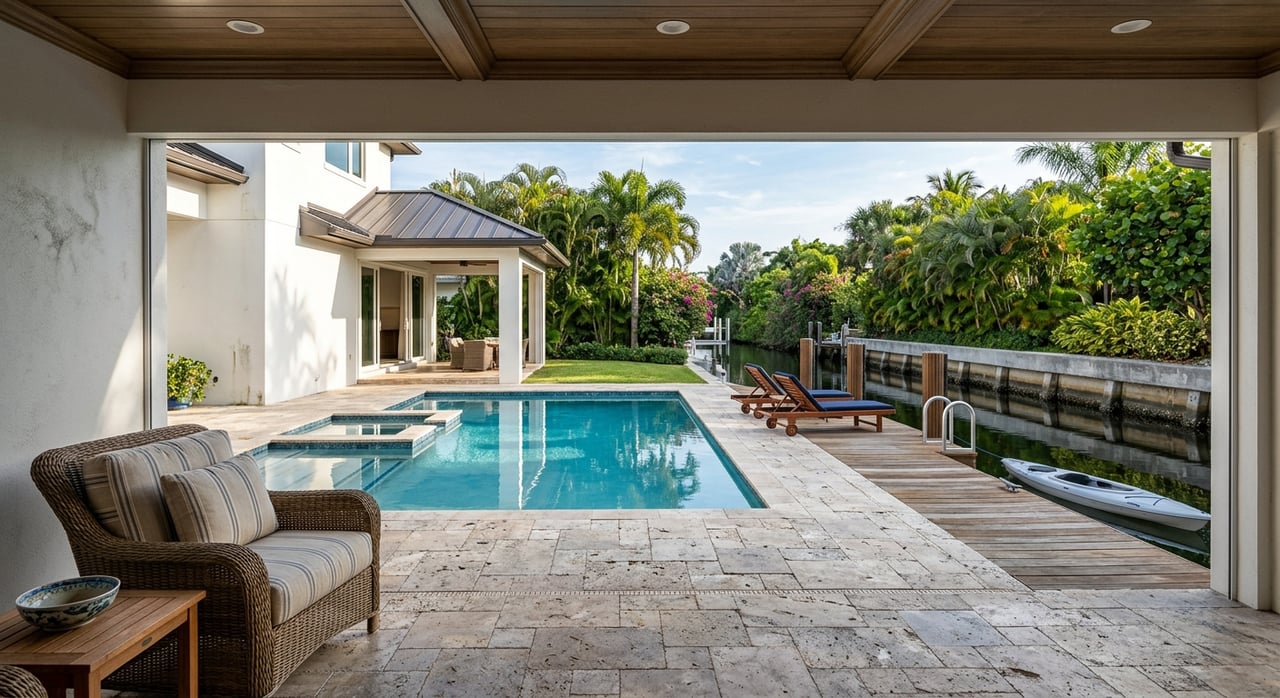
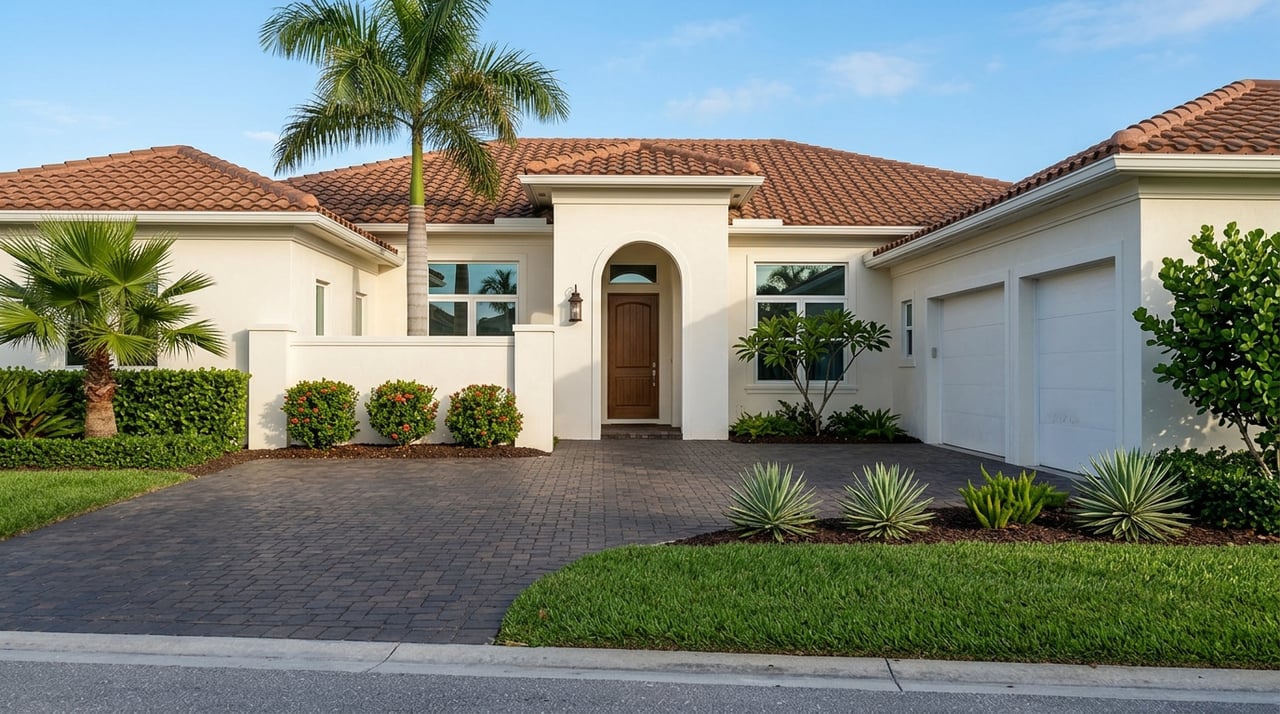
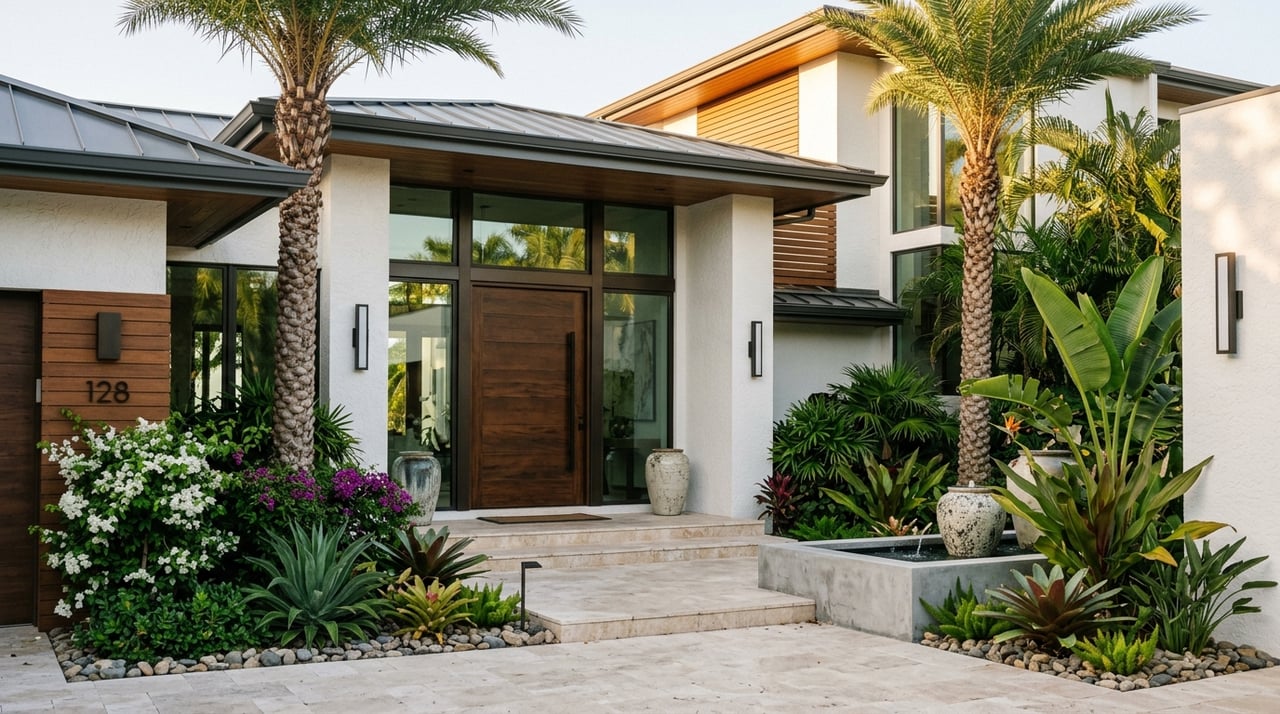
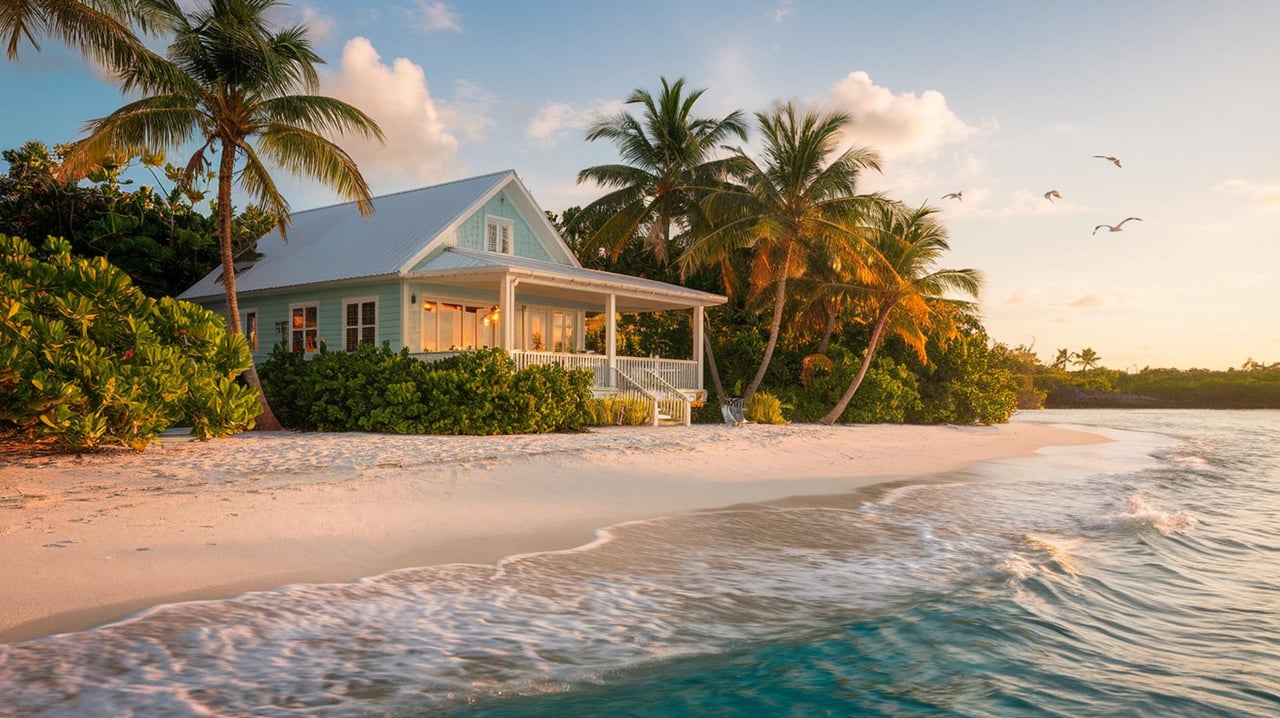
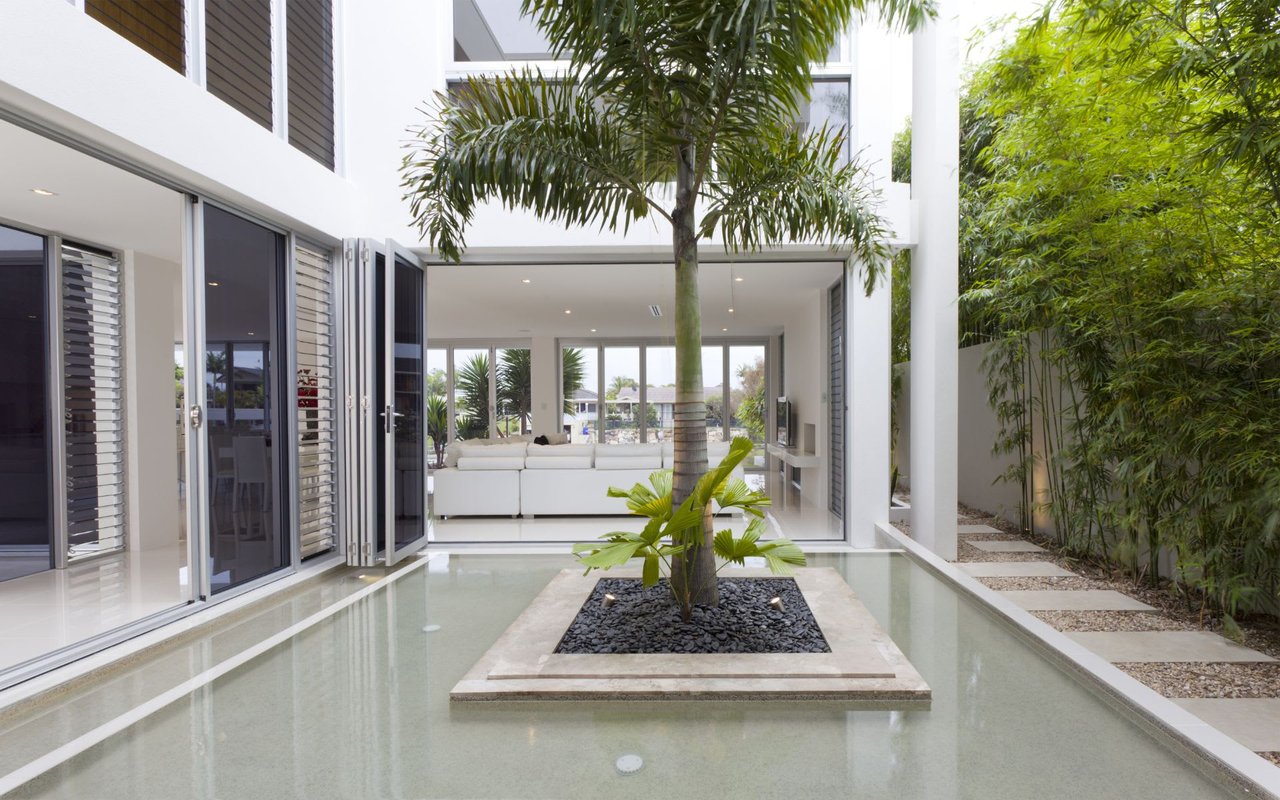
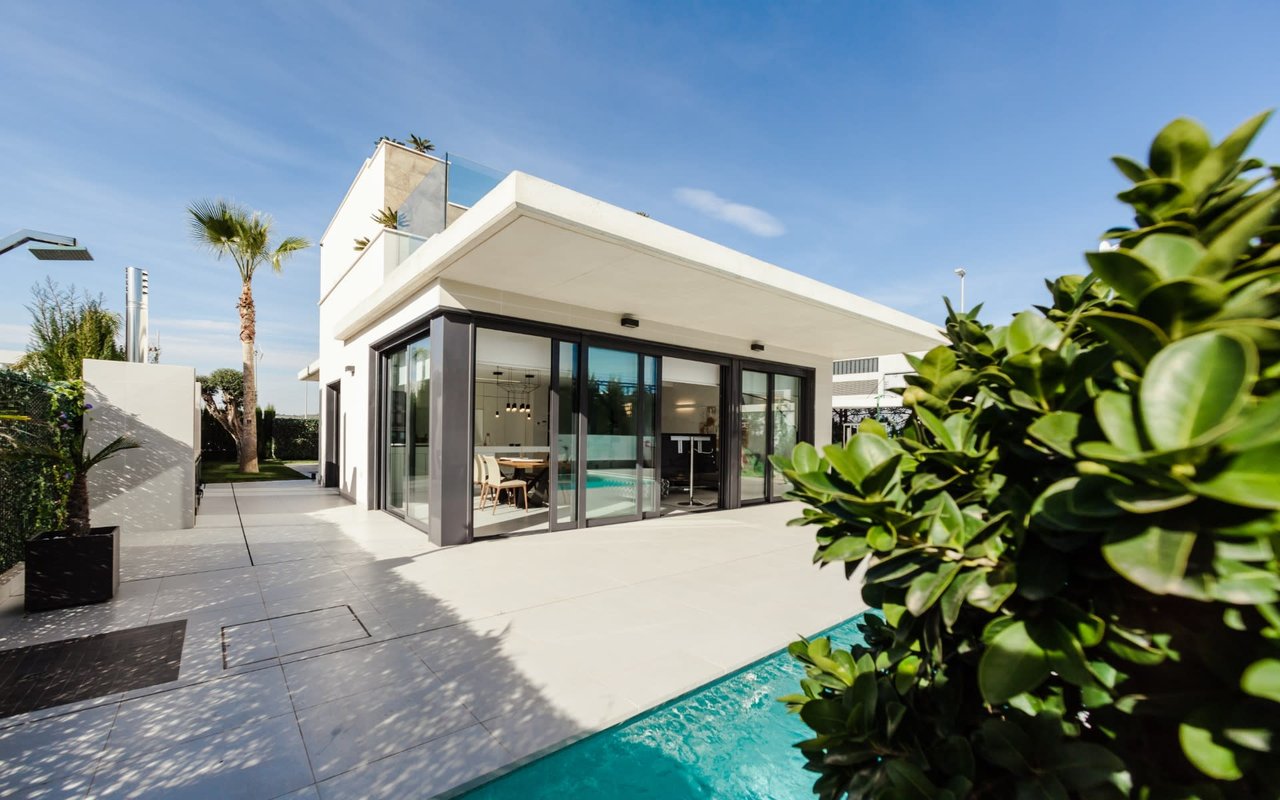
A cottage or single-family home often appeals to buyers who want more privacy and more direct control over the property. In practical terms, that usually means you have greater say over the parcel, yard, storage, and how you use the space day to day.
That ownership style can feel very different from condo living. Instead of shared hallways, common amenities, and association-managed exterior elements, you are more likely to have a self-contained property experience.
More privacy and outdoor flexibility
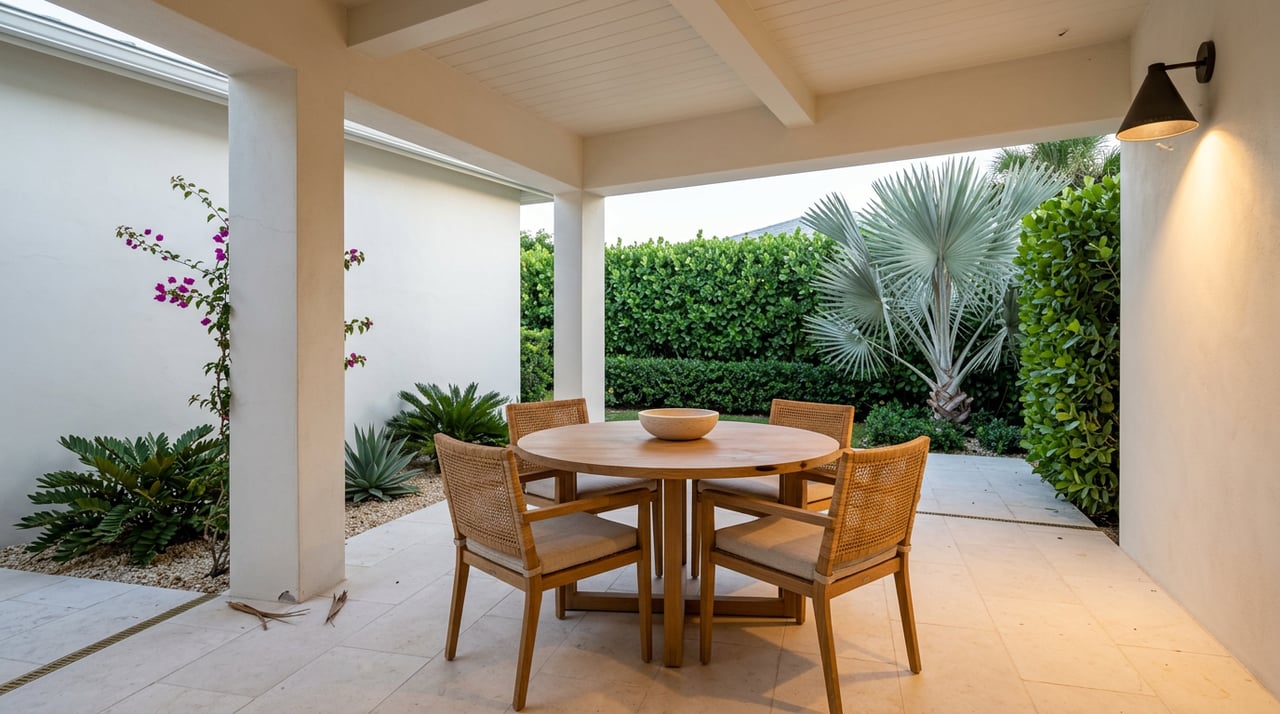
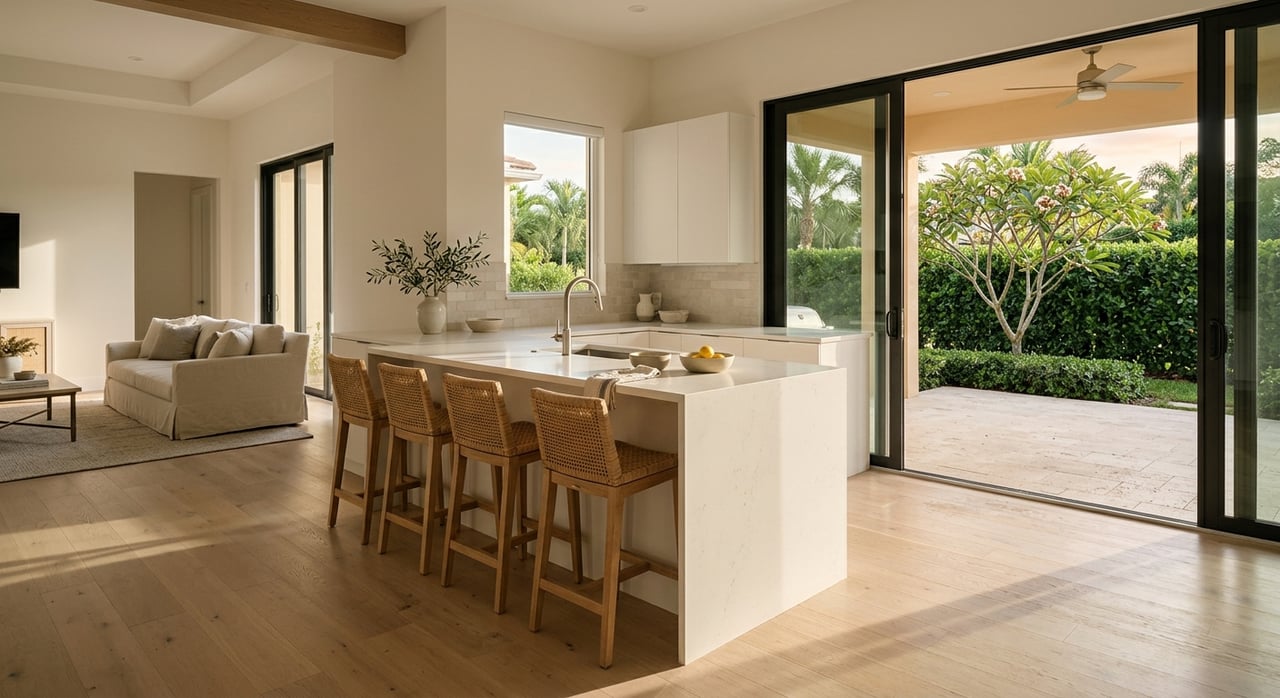
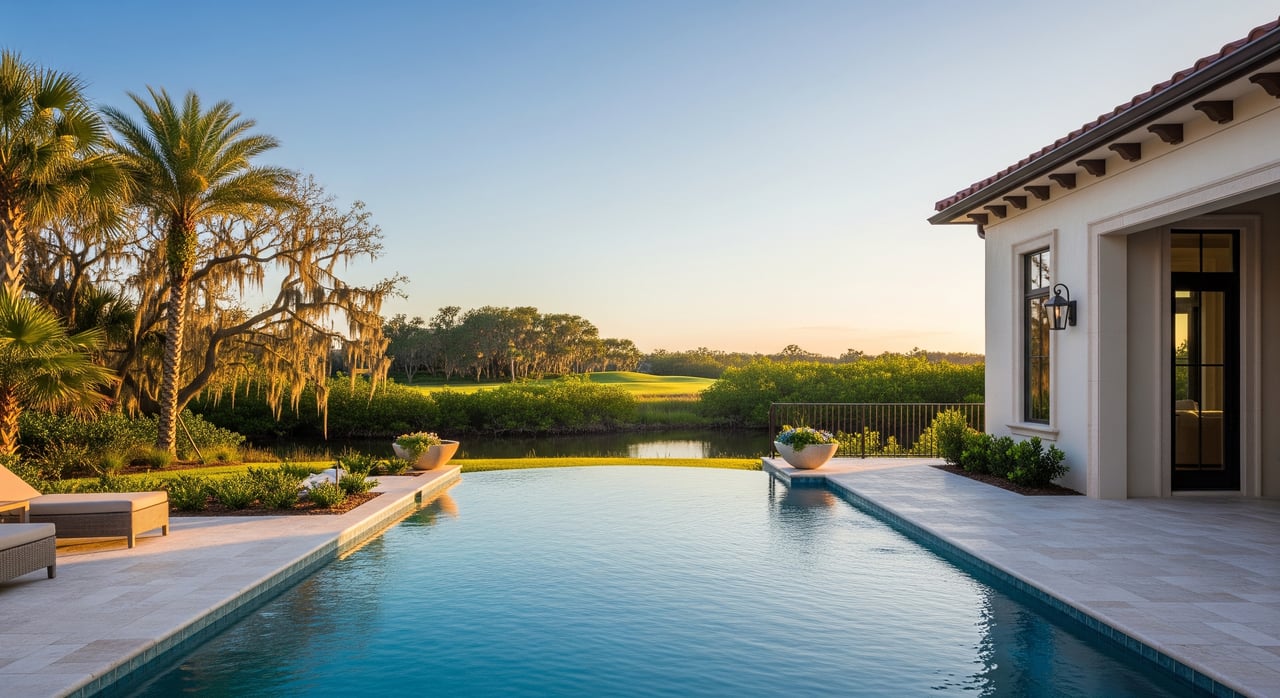
For many buyers, the biggest draw of a cottage is breathing room. You may have more outdoor living potential, more room for beach gear or water equipment, and fewer shared spaces in your routine.
Florida HOA law also limits restrictions on certain items that are not visible from the parcel frontage or adjacent areas, including boats, flags, vegetable gardens, clotheslines, and recreational vehicles. That does not guarantee the same flexibility at every address, but it helps explain why single-family properties often feel more private and adaptable than condos.
More direct maintenance responsibility
The tradeoff is simple. With a cottage or single-family home, you usually take on more of the maintenance, repair planning, and insurance decision-making yourself.
That can be a good fit if you want control and are comfortable managing the details. It may be less appealing if you want the easiest possible ownership experience or plan to spend only part of the year on Siesta Key.
Cottage costs may differ from condo costs
A standalone home may avoid one major cost factor that affects many condo buyers. The condo-specific structural integrity reserve study requirement does not apply to single-family, two-family, three-family, or four-family dwellings with three or fewer habitable stories above ground.
That does not mean ownership will be inexpensive, but it does mean your budget may not be shaped by the same reserve-funding and special-assessment pressures found in some larger condo buildings. For cost-conscious buyers, that distinction matters.
How to choose based on your lifestyle
The right answer usually becomes clearer when you start with how you want to use the property. On Siesta Key, the condo-versus-cottage decision is often less about which option is better and more about which one fits your routines, priorities, and risk tolerance.
Here is a simple way to frame the choice:
Choose a condo if you want
- A lock-and-leave home base
- Shared amenities
- Less day-to-day exterior upkeep
- A simpler ownership routine for part-time use
The main tradeoff is that association budgets, reserve funding, and special-assessment risk deserve close review, especially in older or taller buildings.
Choose a cottage if you want
- More privacy
- Outdoor space
- More direct control over the parcel
- Fewer shared-space rules in daily life
The main tradeoff is that you will likely handle more maintenance and more property-level decisions yourself.
Rentals depend on the exact address
If rental income or occasional short-term use is part of your plan, property type alone will not give you the answer. What matters most is whether the specific property is properly classified and licensable for the rental pattern you want, and whether deed restrictions, declarations, bylaws, or HOA rules limit leasing.
In Florida, a vacation rental can include either a condominium unit or a dwelling. A vacation rental dwelling license can cover a single-family house, townhouse, duplex, triplex, or quadruplex, which means a standalone Siesta Key cottage may be eligible for transient-rental use, subject to licensing and any applicable restrictions.
This is one area where careful document review is essential. If rentals matter to you, read the exact rules for the exact property before you make assumptions.
Beach access is about location, not type
Many buyers start with a simple question: which is closer to the beach, a condo or a cottage? On Siesta Key, neither property type wins automatically.
The real deciding factor is the address itself. Some public beach access points are pedestrian-only, and some offer very limited parking, so a property’s practical beach access may be very different from what a quick map search suggests.
The trolley can also influence your decision. Because the 77 Siesta Islander serves key island destinations, a home near the route may offer more convenience than a home that looks close to the beach but is less connected to where you actually want to go.
Storm planning should be part of the decision
Because Siesta Key is a barrier island, flood and wind-risk due diligence should be part of any purchase decision. This applies whether you are looking at a condo, cottage, or another property type.
Flood zone research is especially important, and Sarasota County points buyers to FEMA’s Flood Map Service Center as the official source for flood maps and address-based flood-hazard searches. On the condo side, reserve funding and inspection status should also be treated as purchase criteria, not afterthoughts.
In other words, future costs matter as much as current appeal. The property that feels right emotionally should also make sense on paper.
A practical way to narrow your choice
If you are still torn, focus on five questions:
- Do you want low-maintenance ownership or more direct control?
- How important are privacy and outdoor space?
- Will you need rental flexibility?
- How much do walkability, trolley access, and beach access points matter?
- Are you comfortable with the property’s flood, inspection, and reserve-related risk profile?
These questions help you move beyond general impressions. They also make it easier to compare one specific condo or cottage against another in a clear, realistic way.
On Siesta Key, the best purchase is usually the one that fits both your lifestyle and your due diligence. That is where experienced, local guidance can make the decision a lot easier.
Whether you are weighing a gulf-front condo, an island cottage, or a home that could serve as both a getaway and an investment, Shane Lewis can help you compare the details that matter most and move forward with confidence.
FAQs
Which Siesta Key property is easier to maintain, a condo or a cottage?
- Usually a condo, because the association generally handles common-element maintenance, repair, and replacement.
Which Siesta Key property is usually more private, a condo or a cottage?
- Usually a cottage or single-family home, because you typically have fewer shared spaces and less association-managed common area.
Which Siesta Key property is better for short-term rental plans?
- Either can work, but the exact property documents, licensing requirements, and any HOA or condo leasing restrictions need to be reviewed before you decide.
Which Siesta Key property type is closer to the beach?
- Neither type is automatically closer, because practical beach access depends on the exact location, nearby public access points, and parking or walking logistics.
What should buyers review before purchasing a Siesta Key condo?
- Review the declaration, bylaws, rules, budgets, management agreements, reserve-study information, milestone-inspection summaries if applicable, and any restrictions on use or leasing.
What storm-related research matters for a Siesta Key home purchase?
- Buyers should review flood zone information and, for condos, also pay close attention to reserve funding and inspection status because future storm-related and building-related costs can affect ownership.